
Decadence: cultural decline, excess, and aesthetic movement
Decadence describes perceived moral or cultural decline, often linked to excess, self-indulgence, or artistic movements that embrace artificiality. The term is subjective and used in literature, criticism, and everyday speech.
Overview
Decadence is a term used to describe a state perceived as moral or cultural decline, frequently associated with excessive luxury, self-indulgence, or weakening social norms. The label is often normative: one group's decadence may be another's liberation. The adjective form is decadent, applied both critically and approvingly depending on context.
Image gallery
10 Images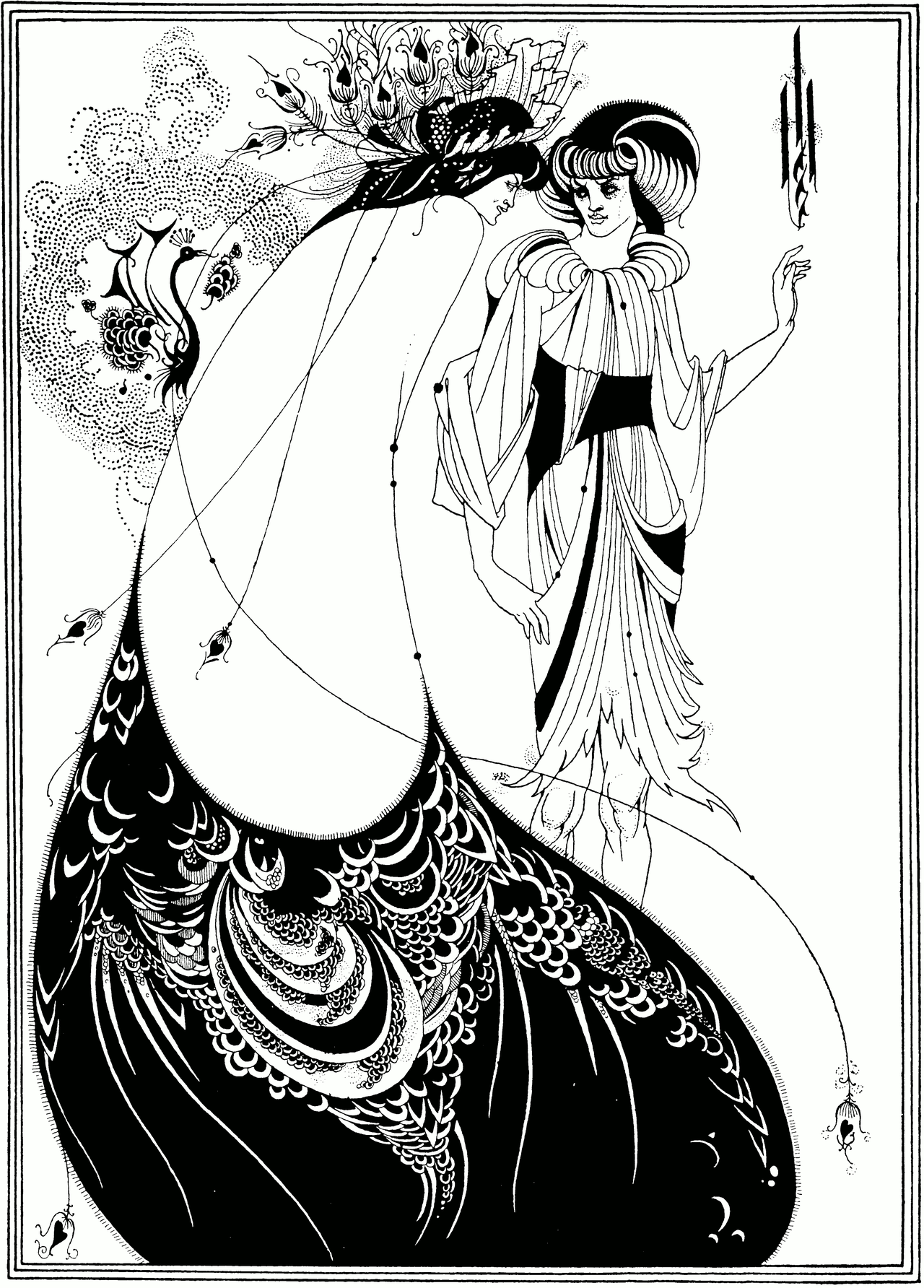





Characteristics and common usages
Descriptions of decadence tend to emphasize indulgence, ostentation, loss of civic virtues, and an orientation toward pleasure over restraint. In cultural critique it can mean a retreat into aestheticism, irony, or artificiality rather than public-minded activity. Everyday uses of the word range from moral condemnation to playful praise (for example, calling a rich dessert "decadent").
History and intellectual background
The word ultimately derives from Latin roots meaning "to fall away" and has been applied across history to commentaries on perceived decline — from ancient critiques of late empires to modern debates. In the late nineteenth century a specific Decadent movement in literature and the arts embraced themes of ennui, aestheticism, and provocative subject matter; writers linked to that trend explored beauty, perversity, and refinement as ends in themselves.
Examples and contexts
- Political rhetoric: opponents accuse rivals of societal decadence to argue for reform or revival.
- Arts and literature: works labeled decadent often prioritize style, irony, and sensory detail.
- Everyday language: "decadent" describes richly indulgent food or luxury experiences.
Distinctions and cautions
The term is subjective and historically charged; scholars warn against using it as a neutral descriptor. It is unrelated to the word decade (a period of ten years), despite superficial similarity. When used carefully, decadence can identify patterns of change in values, aesthetics, or behavior without implying inevitable collapse.
Author
AlegsaOnline.com Decadence: cultural decline, excess, and aesthetic movement Leandro Alegsa
URL: https://en.alegsaonline.com/art/26096