
David Lange (1942–2005) — New Zealand Prime Minister and statesman
New Zealand's Prime Minister from 1984 to 1989, David Lange is remembered for his eloquence, the anti-nuclear policy that reshaped New Zealand's foreign relations, and domestic economic reforms.
David Lange (4 August 1942 – 13 August 2005) was a New Zealand politician best known for serving as Prime Minister of New Zealand from 1984 to 1989. A lawyer by training, he rose quickly within the Labour Party and became a prominent national figure in the 1980s through a combination of persuasive public speaking and a willingness to pursue bold policy change.
Image gallery
10 Images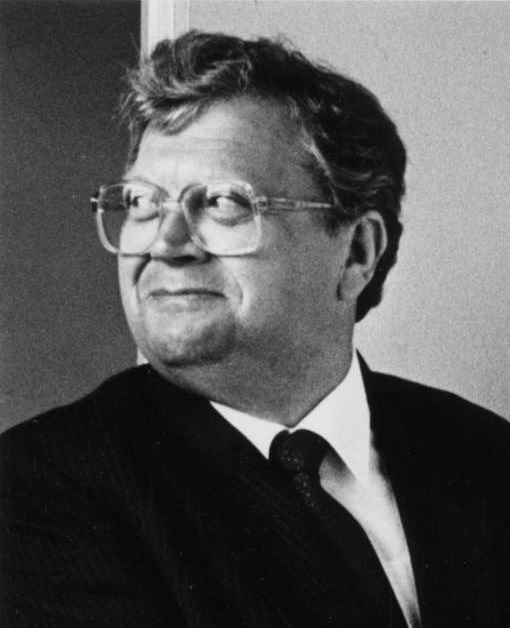




Political rise and leadership
Lange entered Parliament in the 1970s and became leader of the Labour Party in the early 1980s. His leadership produced a surprise election victory in 1984, launching a government that tackled longstanding economic and strategic questions. He led a Cabinet containing strong personalities and reformist ministers, and his time in office was marked by both cooperation and internal conflict.
Policies and significance
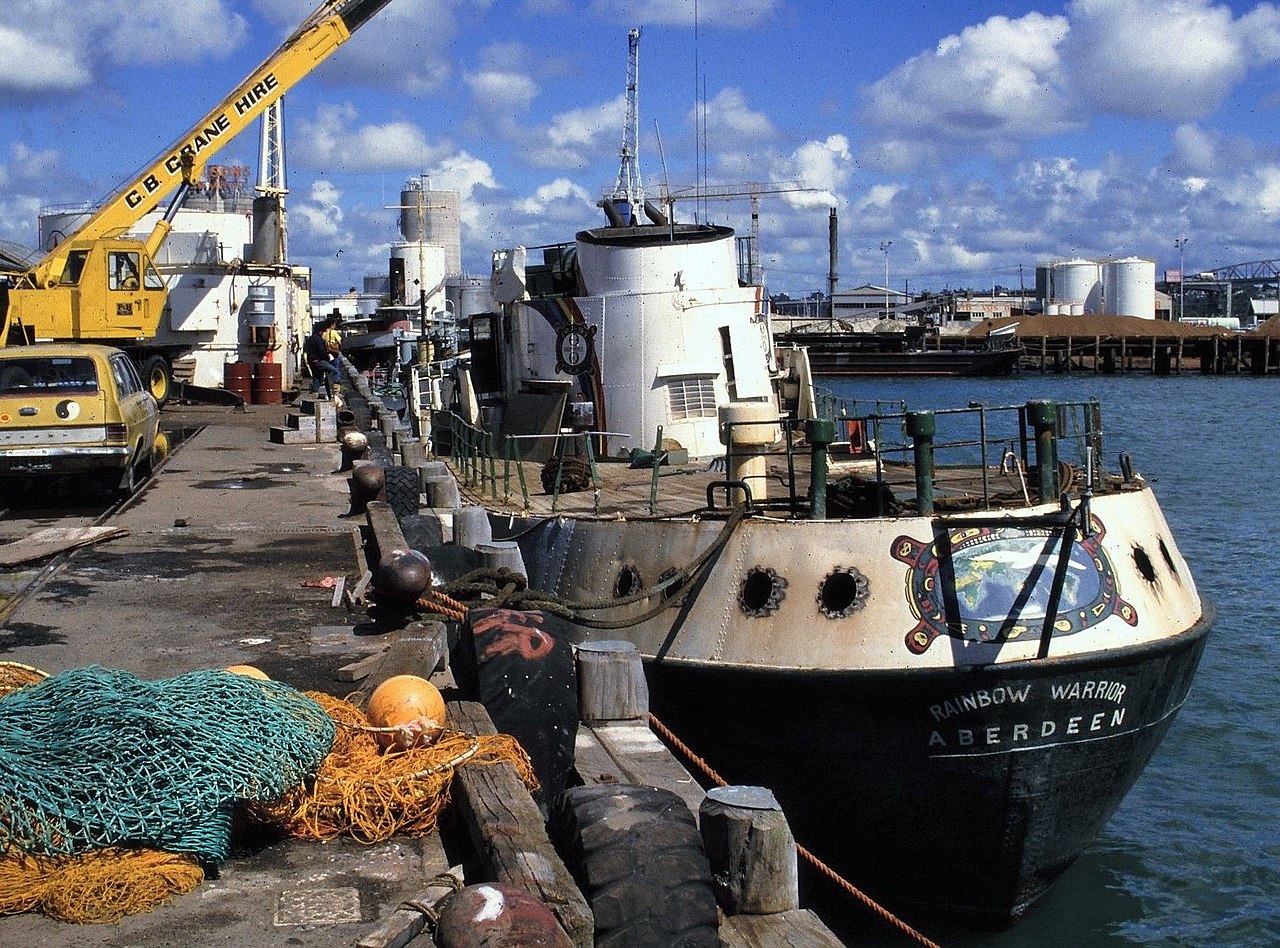
Two broad strands define Lange's time as prime minister: a decisive foreign policy shift and extensive domestic economic change. Internationally, his government adopted a firm anti-nuclear stance—refusing visits by nuclear-armed or nuclear-powered warships—which became a defining feature of New Zealand's identity and altered relations with traditional allies.
- Anti-nuclear policy: A clear and public rejection of nuclear vessels from New Zealand ports, with wide public support and lasting constitutional and diplomatic effects.
- Economic reform: The government moved toward market-oriented policies, deregulation and fiscal restraint—measures associated with his finance ministers that were controversial within his own party and the wider public.
- Social and legal emphasis: Lange retained a focus on civil liberties, social justice, and the rule of law, and he was noted for clear, witty, and effective public communication.
These policy directions had enduring consequences: the anti-nuclear stance helped shape New Zealand's independent foreign-policy reputation, while economic reforms triggered intense domestic debate and realigned the nation’s political landscape for years.
Internal disagreements over economic strategy and growing political strains within the government contributed to Lange's decision to step down as prime minister in 1989. He continued to be an influential voice in public life after leaving office, speaking and writing on national issues and remaining a prominent commentator until his death in 2005.
Legacy and notable facts
Lange is widely remembered for his eloquence, wit and the lasting national conversation he helped spark about New Zealand's values and place in the world. His leadership produced both admiration for principled stances and controversy over the pace and scope of economic change. He remains a central figure in late-20th-century New Zealand history, cited in discussions of nuclear policy, sovereignty and the politics of reform.
Related articles
Author
AlegsaOnline.com David Lange (1942–2005) — New Zealand Prime Minister and statesman Leandro Alegsa
URL: https://en.alegsaonline.com/art/25782