
David Azulai (1954–2018) — Israeli Shas politician and Minister of Religious Services
Morocco-born Israeli politician; Shas member of the Knesset 1996–2018 and Minister of Religious Services 2015–2018. Resigned due to illness and died in 2018.
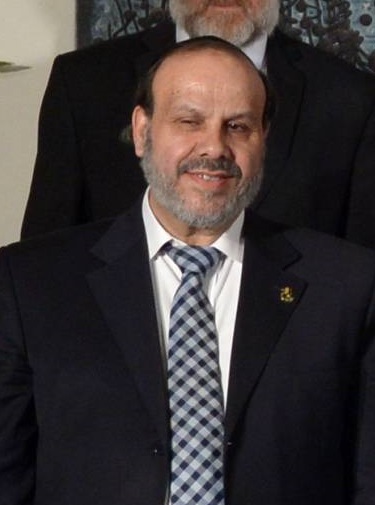
David Azulai was a long-serving Israeli politician and public official. He was widely known as a representative of the Shas party and as a Cabinet minister responsible for religious services. During a parliamentary career that spanned more than two decades he played a visible part in debates about religious institutions and public policy.
Image gallery
1 Image
Political career and roles
Azulai served as a member of the Knesset from 1996 until his resignation in 2018. He was elected on the list of the Shas party, which represents many Sephardi and Mizrahi Haredi voters and focuses on religious, social and educational issues. Over his tenure he held parliamentary assignments and took part in legislative work on matters affecting religious life and communal services.
Ministerial office
In 2015 Azulai was appointed Minister of Religious Services, a government position that oversees places of worship, religious councils, and certain aspects of state recognition of religious life. In that role he interacted with municipal religious councils, national religious institutions and community leaders to administer services related to marriage, burial, ritual supervision and support for synagogues.
Background and personal life
Azulai was born in Meknes, Morocco, in 1954 and later moved to Israel, where he became involved in public life. He was part of a generation of North African Jewish immigrants who entered Israeli politics through religious and community parties. His identity as a Sephardi Jew and his affiliation with Shas informed much of his political outlook and priorities.
Resignation, illness and death
Azulai resigned his Knesset seat in May 2018 for health reasons and retained his ministerial responsibilities until later that year. He died on 30 October 2018 in Tel Aviv at the age of 64, after an illness; reports at the time stated he had been battling cancer. His passing was noted across Israeli political circles and by communities served by the Religious Services Ministry.
Legacy and context
David Azulai's career reflects the role religious parties play in Israeli governance and the influence of Sephardi-religious voices within the state. As a long-term member of the Knesset and as minister responsible for religious infrastructure, he contributed to the administration of services that affect daily religious life for many Israelis. For further factual records and official material about his public service, see sources and parliamentary archives.
- Long-serving Shas representative and Knesset member (biographical note).
- Minister of Religious Services (2015–2018).
- Born in North Africa; active in Israeli religious-political life.
Related articles
Author
AlegsaOnline.com David Azulai (1954–2018) — Israeli Shas politician and Minister of Religious Services Leandro Alegsa
URL: https://en.alegsaonline.com/art/25722