
Da Real World (Missy Elliott album)
Da Real World is Missy Elliott's second studio album, notable for darker, harder hip-hop production largely shaped by Timbaland and for high-profile guest appearances that broadened her sound.
Overview
Da Real World is the second studio album by American rapper and producer Missy "Misdemeanor" Elliott. Issued after her debut Supa Dupa Fly, the record marks a stylistic shift toward a grittier, more aggressive sonic palette while maintaining the inventive beat-making and genre-blending that characterized her early work.
Image gallery
1 Image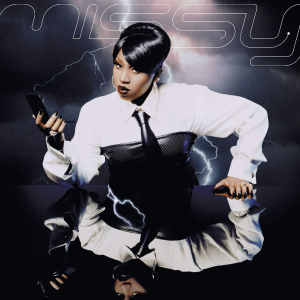
Background and recording
The sessions for the album continued Elliott’s close creative partnership with producers and collaborators. Recording expanded on experimental rhythmic ideas and unconventional sound design that drew attention in the late 1990s hip hop scene. The project was conceived as a way to explore tougher themes and street-oriented aesthetics without abandoning melodic hooks and accessible choruses.
Style and production
Compared with the warm, R&B-inflected grooves of hip hop soul, the album often favors sparse, bass-driven arrangements and darker textures commonly associated with hardcore hip hop. Percussion is typically punchy and inventive, and vocal treatments emphasize attitude and rhythmic placement as much as traditional singing. Longtime partner and producer Timbaland played a central role in shaping this sound, contributing signature syncopated beats and unexpected sonic elements.
Collaborations
The album features a variety of guest artists spanning rap and R&B, reflecting Elliott’s collaborative approach. Contributions on the record include appearances by rappers and singers who added contrasting voices and textures, helping the album bridge underground edge and mainstream accessibility. Notable collaborators listed on the project include Timbaland, Eminem, Da Brat, Aaliyah, Big Boi and Redman.
Release, singles and promotion
Upon release, the album was supported by singles and promotional appearances that highlighted its tougher tone. Radio play and music video rotation focused on several tracks that showcased both Elliott’s rapping and her flair for memorable hooks. Promotional efforts emphasized the album’s adventurous production and Missy’s evolving persona as an artist willing to take creative risks.
Reception and legacy
Critical response noted the album’s bold aesthetic choices: many reviewers praised the adventurous production and Missy’s charismatic delivery, while some listeners observed that the darker material could be less immediately accessible than the more pop-oriented moments on her debut. Over time, the album has been discussed as an important step in Elliott’s development, demonstrating how mainstream hip hop could absorb experimental production techniques while supporting high-profile guest performances.
Influence
Da Real World contributed to a broader acceptance of off-kilter rhythmic production in popular hip hop and reinforced Elliott’s reputation as an innovator. The record illustrated how collaborations across rap and R&B could coexist with unconventional sound design, influencing producers and artists who followed in blending commercial appeal with sonic experimentation.
Further reading
For additional context on the album, production, and collaborators, see profiles of the artist and producers linked throughout this article and contemporary reviews and retrospectives that examine its place in late-1990s hip hop.
Questions and answers
Q: Who is Missy "Misdemeanor" Elliott?
A: Missy "Misdemeanor" Elliott is an American rapper.
Q: What is Da Real World?
A: Da Real World is her second studio album.
Q: How does Da Real World sound compared to her debut album?
A: Da Real World features a much more "darker" and hardcore hip hop sound compared to her hip hop soul sounding debut album, Supa Dupa Fly.
Q: Who are some of the guest appearances featured on Da Real World?
A: The album features guest appearances by Timbaland, Eminem, Da Brat, Aaliyah, Big Boi and Redman.
Q: What is the significance of the guest appearances on Da Real World?
A: The guest appearances enhance the appeal of the album, since they are popular musicians.
Q: When was Da Real World released?
A: The album was released in 1999.
Q: What was the reception of Da Real World?
A: The album was commercially successful and received critical acclaim, especially for its darker and more mature sound.
Related articles
Author
AlegsaOnline.com Da Real World (Missy Elliott album) Leandro Alegsa
URL: https://en.alegsaonline.com/art/25016
Sources
- discogs.com : "Missy Misdemeanor Elliott* – Da Real World"
- allmusic.com : "Da Real World"
- ew.com : "Da Real World - EW.com"
- bpi.co.uk : "British album certifications – Missy Elliott – Da Real World"
- riaa.com : "American album certifications – Missy Elliott – Da Real World"