
Cuero, Texas: county seat and agricultural community in DeWitt County
Cuero (pronounced KWAIR-oh) is a small city in DeWitt County, Texas, serving as the county seat. Known for its agricultural heritage and historic downtown, it reported 6,841 residents in 2010.
Cuero (pronounced KWAIR-oh) is a city in south-central Texas that serves as the county seat of DeWitt County. Located within the state of Texas, it had a population of 6,841 at the 2010 census. Cuero is a regional center for local government, services and agricultural commerce.
Image gallery
6 Images
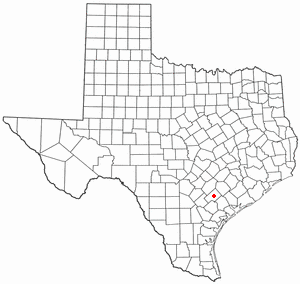


Geography and character
The town sits amid a landscape typical of this part of Texas: a mix of farm and ranch land, small woodlands and waterways. Its built environment combines a compact historic downtown, municipal buildings and residential neighborhoods. The community atmosphere reflects a long association with livestock and crop production, and a scale that supports local businesses, schools and civic organizations.
History and development
Cuero developed in the 19th century as settlers established farms and ranches in the region and as transportation links improved. Over time it became the administrative center for the surrounding rural area and a shipping point for agricultural products. Historic buildings in the downtown and the presence of a county courthouse speak to its role as a local governmental hub.
Economy, culture and events
Agriculture has long been central to Cuero’s economy, notably livestock and poultry production; associated services such as feed, equipment and transportation have also been important. The city hosts community festivals and events that celebrate rural life and local traditions, drawing visitors from nearby counties and contributing to civic pride.
Notable features and distinctions
- Function as the county seat and center for county services: county seat.
- Historic downtown architecture and public buildings that reflect its 19th- and early 20th-century growth.
- Local festivals and agricultural ties that sustain community identity and attract regional visitors.
Today Cuero acts as a service and cultural center for the surrounding rural landscape, balancing preservation of its historic character with the needs of modern life. Visitors and residents alike encounter a small-city atmosphere shaped by agriculture, civic institutions and a sense of local history.
Related articles
Author
AlegsaOnline.com Cuero, Texas: county seat and agricultural community in DeWitt County Leandro Alegsa
URL: https://en.alegsaonline.com/art/24558
Sources
- texastripper.com : Say it Like a Texan
- factfinder.census.gov : "Geographic Identifiers: 2010 Demographic Profile Data (G001): Cuero city, Texas"
- naco.org : "Find a County" · web.archive.org