
Cornelius, North Carolina
Lakeside town on Lake Norman in northern Mecklenburg County, North Carolina; a suburban community of the Charlotte area known for waterfront living, recreation, and steady growth since the lake's creation.
Overview
Cornelius is a lakeside town in northern Mecklenburg County, North Carolina, situated along the shores of Lake Norman. At the 2010 U.S. census the town reported a population of 24,866. Cornelius is part of the greater Charlotte metropolitan area and functions largely as a residential and recreational community centered on the lake.
Image gallery
3 Images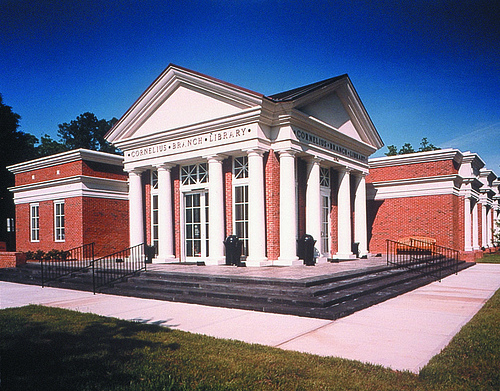


Geography and characteristics
The town occupies shoreline and gently rolling uplands around Lake Norman, a large reservoir formed on the Catawba River in the mid-20th century. Development in Cornelius combines planned suburban neighborhoods, waterfront properties, and commercial corridors that serve both local residents and visitors. Public and private marinas, walking trails, and municipal parks help define the town's character.
- Lakefront recreation: boating, fishing, and watersports.
- Residential communities: single-family homes, developments, and some higher-density housing.
- Local services: retail centers, restaurants, and small-business clusters.
History and development
The creation of Lake Norman in the 1950s and 1960s altered the region's economy and landscape, transforming previously rural and agricultural land into attractive waterside property. Cornelius experienced steady residential growth in the late 20th and early 21st centuries as the Charlotte area expanded and commuting to the city became more common. The town's development reflects broader suburbanization patterns seen around many American metropolitan lakes.
Economy, recreation, and community life
Local economic activity is dominated by residential services, retail, and leisure industries tied to the lake. Parks, public boat launches, and marinas support a robust recreational scene; residents and visitors use Lake Norman for boating, sailing, fishing, and shoreline parks. Cornelius is served by regional school systems and municipal government services, and it hosts local events and community programs that emphasize outdoor life and family activities.
Distinctive points
Cornelius is notable for its lakeside setting and its role as a suburban node within the Charlotte metropolitan region. Its growth has raised typical challenges and opportunities: balancing development with shoreline conservation, providing infrastructure for a growing population, and maintaining parks and public access while sustaining a mix of residential and commercial uses.
Related articles
Author
AlegsaOnline.com Cornelius, North Carolina Leandro Alegsa
URL: https://en.alegsaonline.com/art/23138
Sources
- factfinder2.census.gov : "American FactFinder" · web.archive.org
- geonames.usgs.gov : "US Board on Geographic Names"
- commons.wikimedia.org : Cornelius, North Carolina