
Copford
Copford is a village and civil parish in the Colchester borough of Essex, England, with historic roots, a small residential community, and local parish institutions serving the surrounding rural area.
Copford is a village and civil parish in the Colchester borough of Essex, in the east of England. It lies within the administrative area often referred to as Colchester borough and forms part of the rural and suburban hinterland around the town of Colchester. The settlement has long been characterised by a mix of agricultural land, residential clusters, and local parish institutions.
Image gallery
3 Images
Geography and population
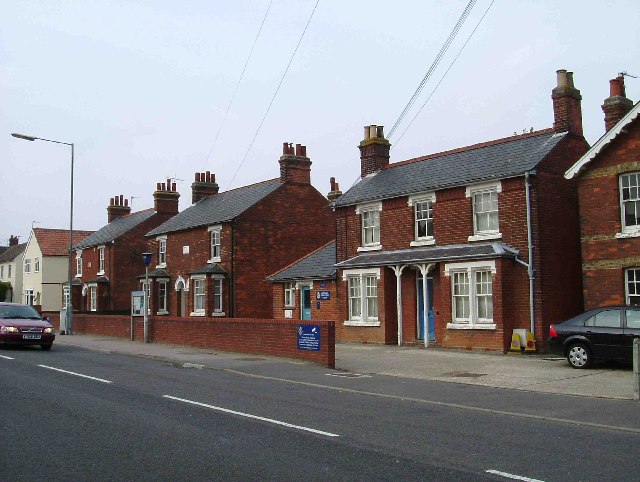
The parish occupies countryside typical of central Essex, with fields, hedgerows and small lanes connecting it to nearby villages and to Colchester. Copford is primarily residential with surrounding farmland. Official census returns recorded a population of 1,643 people in 2001; later counts indicate only modest change in resident numbers, reflecting its stable village character.
History and name
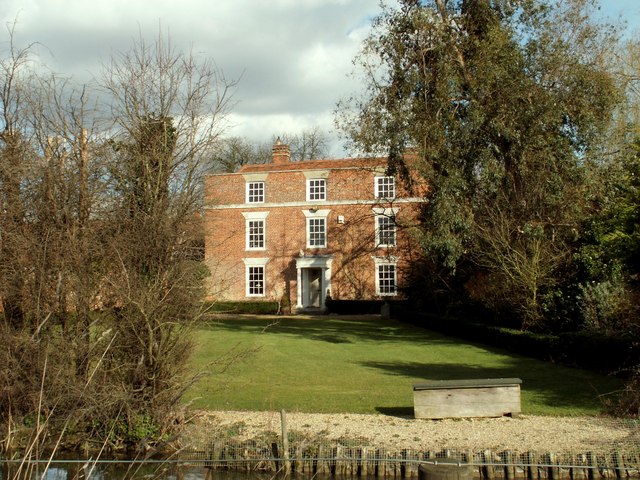
Copford has roots that reach back to the medieval period and earlier settlement of the Essex landscape. The place-name is of Old English origin and is commonly interpreted as referring to a ford or shallow river crossing associated with an early personal name or local feature. Historic buildings and the pattern of lanes and fields reflect the parish's gradual development from an agricultural parish to a modern village community.
Governance and local institutions
As a civil parish, Copford is administered at the local level by a parish council and forms part of the wider Colchester borough for district-level services. The parish council handles community matters, small-scale local projects and represents residents’ interests to borough and county authorities.
Community, amenities and transport
Local amenities typically centre on the village core and may include a parish church, a village hall, and limited local shops or businesses serving residents and the surrounding countryside. Public transport links and road connections provide access to Colchester and other nearby towns, making Copford a residential choice for people working in the larger urban area while retaining a rural village atmosphere.
Significance and outlook
Copford illustrates a common pattern in England of small historic parishes that have adapted to contemporary life while keeping elements of their rural heritage. Its proximity to Colchester gives residents access to urban services while the parish council and local groups sustain community activities and conservation of local character.
Related articles
Author
AlegsaOnline.com Copford Leandro Alegsa
URL: https://en.alegsaonline.com/art/22945
Sources
- neighbourhood.statistics.gov.uk : Neighbourhood Statistics