
Aldham, Essex: village and civil parish in Colchester borough
Aldham is a small rural village and civil parish in the borough of Colchester, Essex, England. Noted for its historic parish church of St Margaret and a population of 491 at the 2011 census.
Overview
Aldham is a small village and civil parish in the borough of Colchester in the county of Essex, England. It is a predominantly rural community that recorded a population of 491 in the 2011 national census. The settlement retains a village character with narrow lanes, farmland and a compact cluster of dwellings surrounding its parish church.
Image gallery
2 Images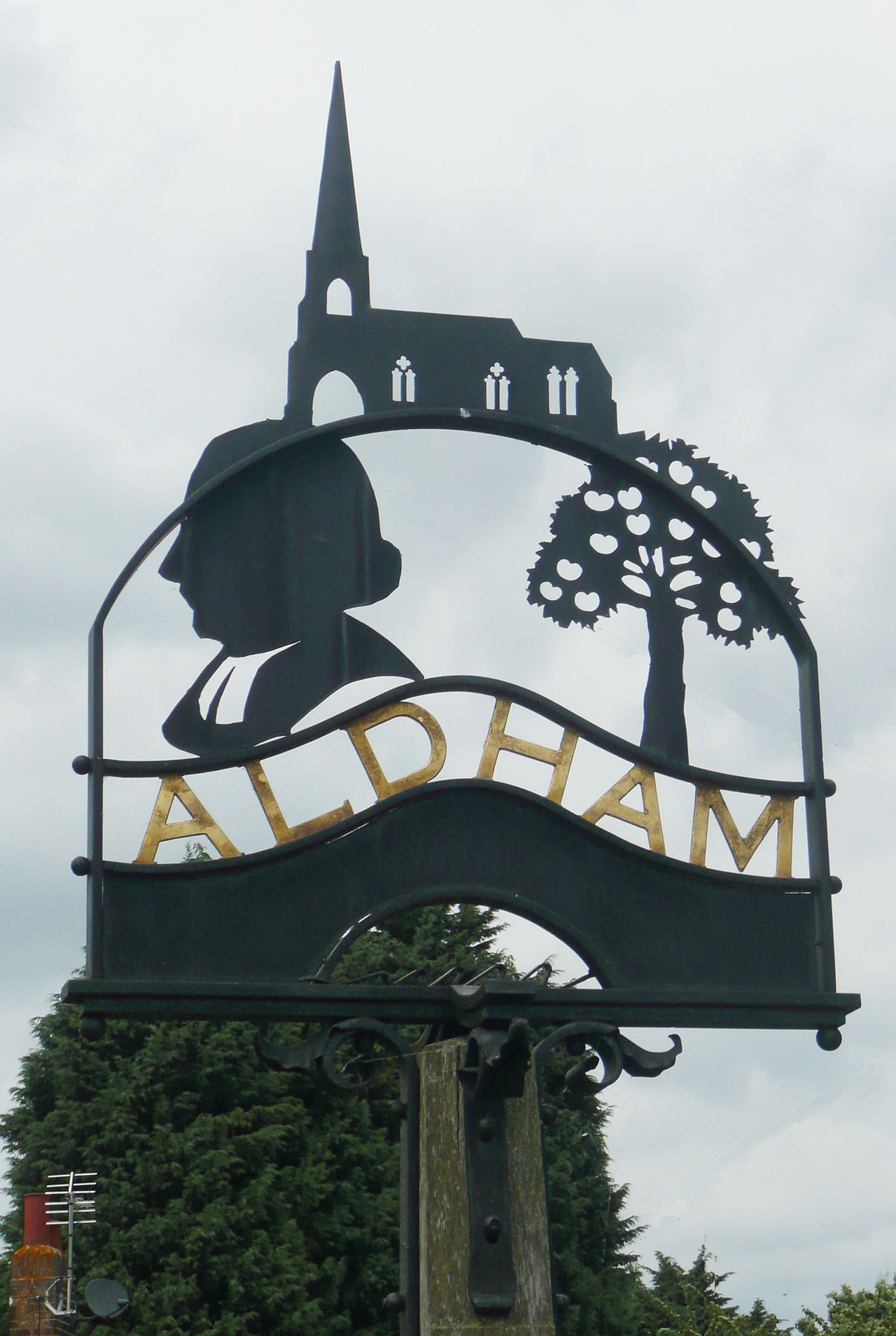

Geography and community
The parish lies within the wider Colchester area and is surrounded by agricultural land and woodland. Local life is shaped by countryside activities, walking routes and a modest number of local services; larger shops, schools and medical facilities are generally accessed in the nearby town. Community life centers on shared spaces and occasional village events rather than extensive commercial amenities.
- Population: 491 (2011 census)
- County: Essex
- District: Colchester Borough
- Parish church: St Margaret
History and origins
The name Aldham is of Old English origin and is commonly interpreted as meaning an "old homestead" or farmstead. Like many English villages, its origins extend back to the medieval period when small agricultural communities developed around open fields, manorial holdings and parish churches. Over centuries Aldham has remained largely rural, with historic buildings and field patterns that reflect its agricultural past.
St Margaret's Church
The parish church of St Margaret is the oldest and most prominent building in the village and functions as a local focal point for worship and communal activity. The church preserves historic fabric and traditional features typical of rural English parish churches, and it continues to host services and community gatherings.
Governance and local life
Aldham is administered as a civil parish and falls under the services and planning responsibilities of the borough and county councils. Public footpaths, hedgerows and lanes make it popular with walkers and those seeking a quiet rural setting. While small in population, the village contributes to the diversity of Essex's rural communities and represents the long-established pattern of parish life in the English countryside.
Related articles
Author
AlegsaOnline.com Aldham, Essex: village and civil parish in Colchester borough Leandro Alegsa
URL: https://en.alegsaonline.com/art/2229
Sources
- neighbourhood.statistics.gov.uk : Neighbourhood Statistics
- essexchurches.info : Essex Churches