
Columbus Junction, Iowa
Small city in Louisa County, southeastern Iowa. A historic river and railroad community with an agricultural and food-processing economy and a diverse population shaped by immigration.
Overview
Columbus Junction is a small city in Louisa County in southeastern Iowa, United States. Historically a local center for river and rail transport, it functions today as a service and processing hub for the surrounding agricultural region. The community combines rural Midwestern character with a diverse population that includes longtime residents and more recent immigrant families drawn by employment opportunities.
Image gallery
2 Images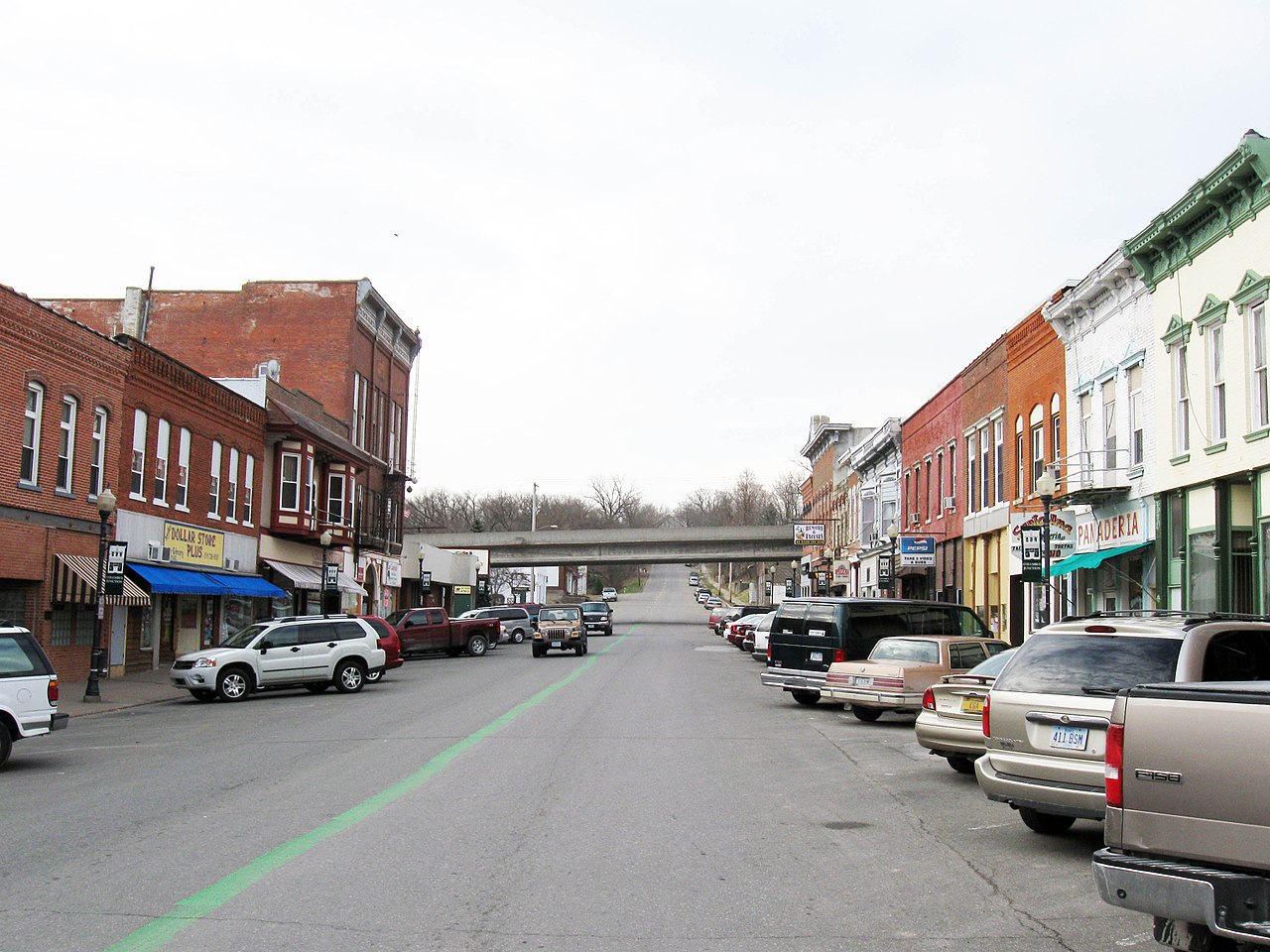

Geography and transportation
The city lies in a primarily agricultural landscape, with nearby rivers and road links connecting it to neighboring towns and county seats. Its location historically benefited from access to waterways and railroad lines, which supported early settlement, movement of crops, and small-scale industry. Local roads provide connections to larger state routes and services in southeastern Iowa.
History
Columbus Junction developed in the 19th century as settlement expanded westward. The arrival of railroads and the use of river transport were important factors in its growth, creating a junction for goods and people. Over time the community evolved from a trading and supply point into a town with factories and processing facilities that serve regional agricultural production.
Economy and demographics
The local economy is closely tied to agriculture and food processing, with businesses involved in grain, livestock support, and related manufacturing and distribution. Employment in processing plants and farms has attracted workers from diverse backgrounds, contributing to a multicultural community. Public services, schools, and small businesses support daily life and the rural economy.
Culture, recreation and notable facts
Community life includes local schools, parks, and recreational opportunities along nearby waterways such as fishing and birdwatching. Annual events and civic organizations reflect both agricultural traditions and the cultural contributions of newer residents. Columbus Junction is representative of many small Midwestern towns that have adapted to changing economic patterns while preserving local identity.
Further information
- Local government and municipal resources: Columbus Junction municipal site.
- County-level context and services: Louisa County information.
- State resources and regional planning: Iowa state resources.
Related articles
Author
AlegsaOnline.com Columbus Junction, Iowa Leandro Alegsa
URL: https://en.alegsaonline.com/art/21826