
Coat of arms of the Isle of Man
The official heraldic emblem of the Isle of Man featuring the island's triskele or three‑legged symbol. Used on government seals, flags, currency and public buildings; formally adopted in 1996.
The coat of arms of the Isle of Man is the island's principal heraldic device and represents its identity as a Crown dependency. It centers on the long‑established three‑leg emblem—commonly called the triskele or "Three Legs of Mann"—and is used by Manx authorities on official documents, seals and buildings. The current, formally adopted form dates from 12 July 1996.
Image gallery
3 Images
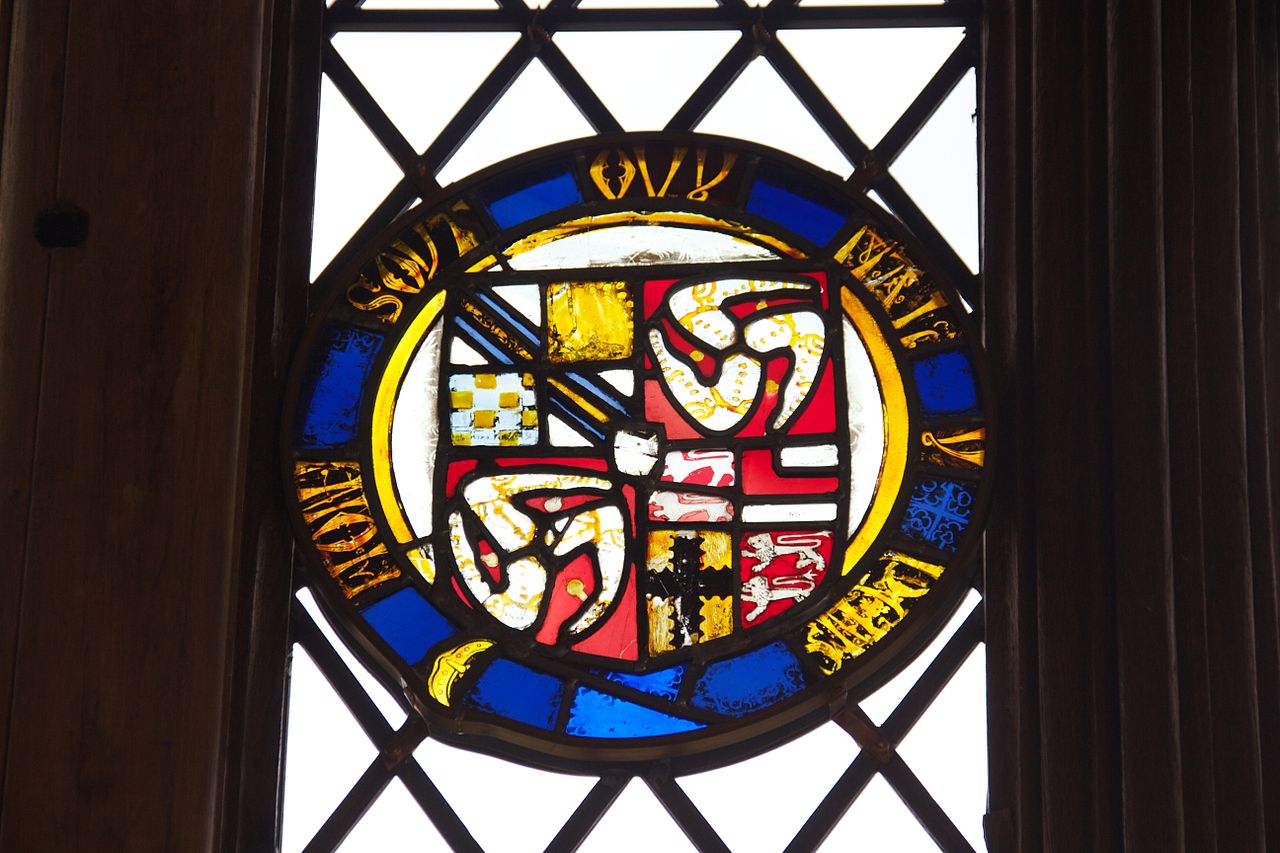

Description
At the heart of the arms is the triskele, a motif of three conjoined legs that has become the island's best‑known symbol. Around this central device the full achievement of arms is used for formal occasions and includes the elements typically found in British‑style heraldry: a shield bearing the principal charge, together with crests, supporters or a motto in more complete renditions.
History and origins
The three‑leg emblem has been associated with the Isle of Man for many centuries and predates the modern coat of arms. Its precise origin is debated: it may reflect medieval trading and cultural links across the Irish Sea and the Norse world, or be a variation on ancient triskele motifs found in other regions. Over time the triskele came to serve as a compact, recognizable badge of the island and its people.
Uses and significance
- Official use: government seals, formal proclamations and the governor's emblems.
- Public display: civic buildings, monuments and local authority insignia.
- Popular and cultural use: the triskele appears on flags, sporting kits, coins and souvenirs, reinforcing Manx identity.
The motto often associated with the arms and the triskele is the Latin phrase Quocunque jeceris stabit, commonly translated as "Whichever way you throw it, it will stand," a proverbial reference to the emblem's resilience and stability.
While modern heraldic grants established the present official form in the late 20th century, the triskele remains primarily a historic and cultural emblem as much as a legal coat of arms. It continues to function as a unifying symbol for the island's government, institutions and people.
Tags
Related articles
Author
AlegsaOnline.com Coat of arms of the Isle of Man Leandro Alegsa
URL: https://en.alegsaonline.com/art/21273
Sources
- gov.im : Island Facts
- dictionary.reference.com : Triskelion
- isle-of-man.com : The Three Legs of Man
- isle-of-man.com : The Armorial Bearings of the Isle of Man: Their origin, history, and Meaning
- isle-of-man.com : Sword of State