
Albany Park, Chicago
Albany Park is a Northwest Side community area of Chicago known for its ethnic diversity, high share of foreign-born residents, immigrant-driven growth, varied businesses, and active neighborhood institutions.
Overview
Albany Park is one of Chicago's 77 official community areas, located on the city's Northwest Side. The neighborhood is widely recognized for its exceptional ethnic and linguistic diversity and consistently ranks among Chicago areas with the highest proportions of foreign-born residents. This diversity is visible in the variety of restaurants, shops, and community organizations found along its commercial corridors.
Image gallery
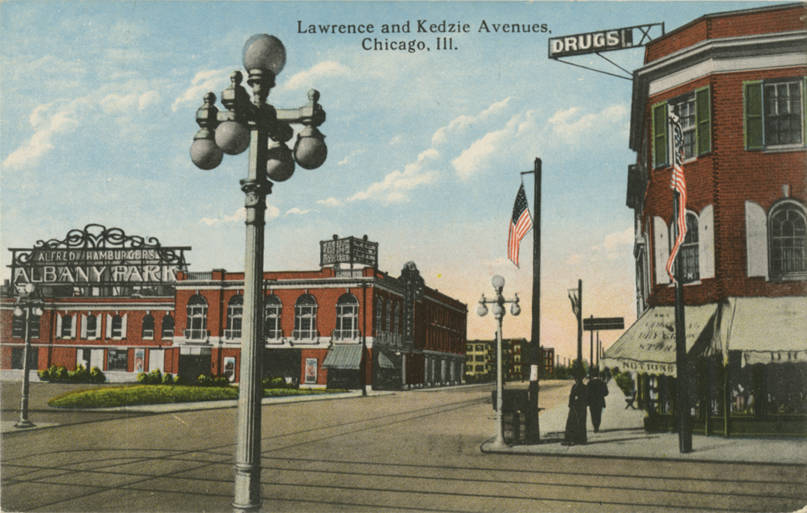
3 Images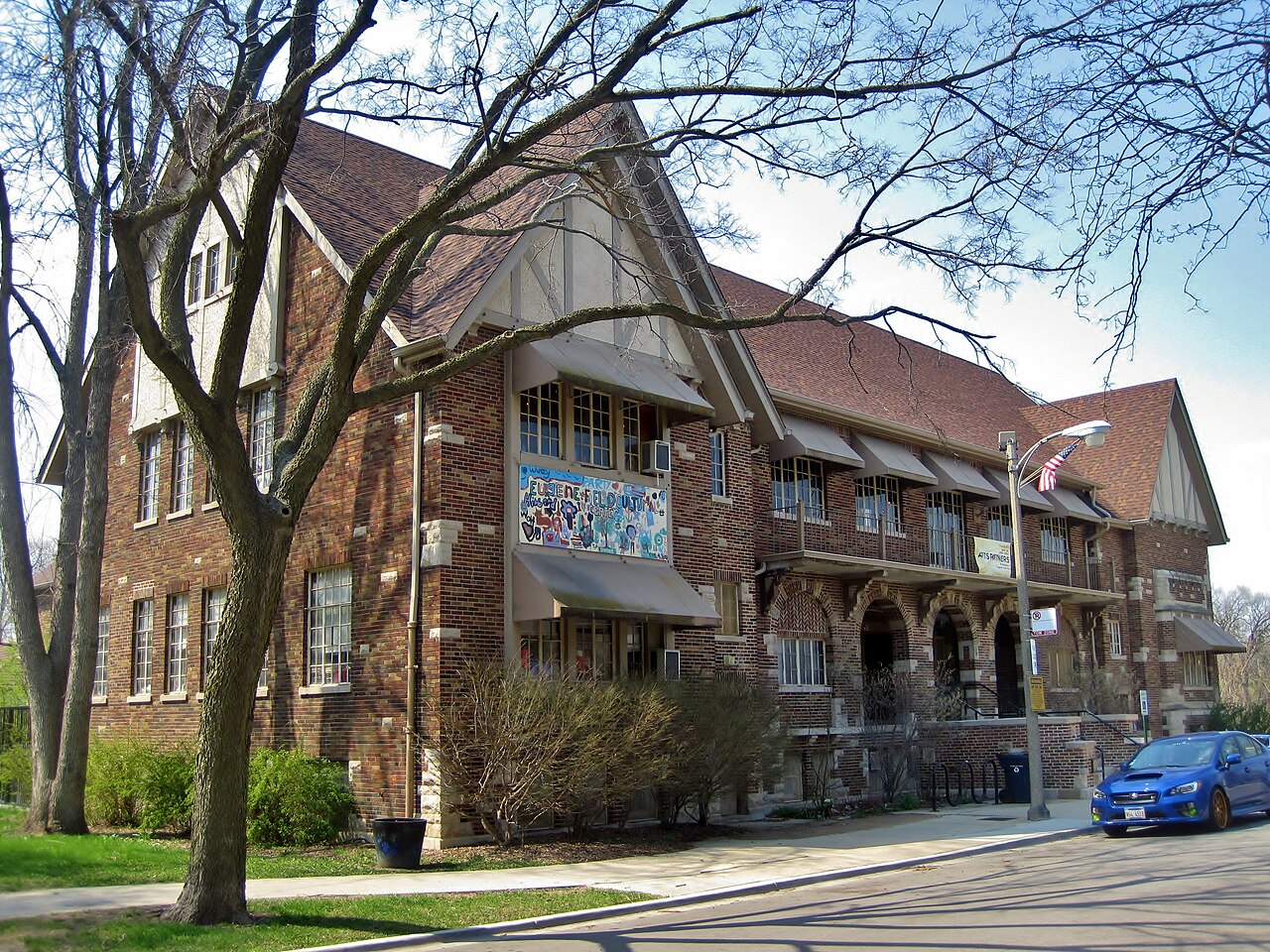

History and development
Albany Park's built environment and settlement patterns reflect transportation-led growth in the late 19th and early 20th centuries; it developed as part of the city's expansion north and west. Over successive decades the neighborhood attracted different waves of migrants and immigrants, including European, Asian, Latin American, and Middle Eastern communities. The arrival of new immigrant groups during the late 20th century contributed to notable population increases, including a marked rise during the 1990s.
Characteristics
The area combines residential blocks of single-family homes and multiunit buildings with active commercial strips. Local businesses include family-run grocery stores, ethnic bakeries, restaurants representing many world cuisines, and professional services that serve both longtime residents and recent arrivals. Public spaces, schools, and religious institutions reflect the neighborhood's plural character.
Culture, institutions, and transport
Cultural life in Albany Park is shaped by its multicultural businesses, faith communities, language schools, and civic groups. Festivals, food markets, and community events often highlight the neighborhood's mosaic of traditions. The community area is connected to the rest of Chicago by public transit and regional bus services, making it accessible for commuting and commercial activity.
Importance and contemporary issues
Albany Park is frequently cited in discussions about immigrant settlement patterns in U.S. cities because of its sustained foreign-born population and cultural visibility. Like many diverse urban neighborhoods, it faces contemporary challenges such as affordable housing pressures and balancing new development with the needs of established residents. Local organizations and residents actively engage in community planning and services to address these issues.
Further information
For official maps and basic statistics, see the City of Chicago resources: City of Chicago. Albany Park remains a prominent example of urban diversity, offering a dense mix of daily life, commerce, and cultural exchange within Chicago's broader mosaic.
Related articles
Author
AlegsaOnline.com Albany Park, Chicago Leandro Alegsa
URL: https://en.alegsaonline.com/art/2059