
Charlie and the Chocolate Factory (2005 film)
Tim Burton’s 2005 adaptation of Roald Dahl’s novel, starring Johnny Depp and Freddie Highmore; a stylized, family-oriented retelling that expands Willy Wonka’s backstory and visual imagination.
Charlie and the Chocolate Factory (2005) is a film adaptation of Roald Dahl’s 1964 novel Charlie and the Chocolate Factory, directed by Tim Burton and adapted for the screen with a distinctly stylized visual approach. The movie stars Freddie Highmore as Charlie Bucket and Johnny Depp as Willy Wonka, with supporting performances including David Kelly as Grandpa Joe. The film aims to capture the book’s sense of wonder while adding new material that explores the factory owner’s past.
Image gallery
9 Images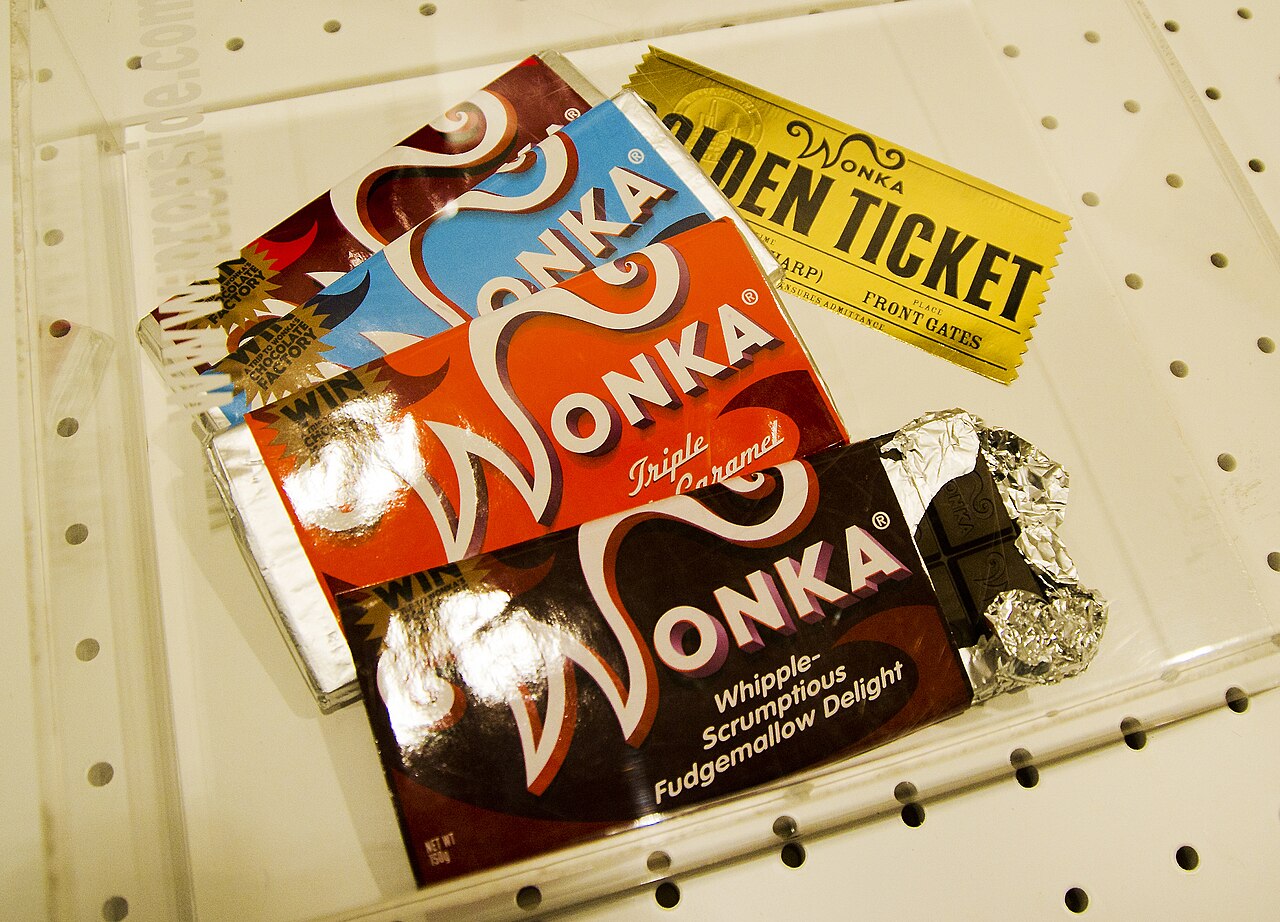






Plot overview and characters
The narrative follows Charlie Bucket, a kind and impoverished boy who wins a golden ticket to tour the world’s most extraordinary confectionery. Accompanied by four other children and their guardians, Charlie witnesses the factory’s fantastic rooms and unusual inventions. In this adaptation the tour functions both as spectacle and moral test, and greater screen time is devoted to Willy Wonka’s origins, family relationships and the events that shaped him into an eccentric chocolatier.
Principal cast and creative team
- Freddie Highmore as Charlie Bucket
- Johnny Depp as Willy Wonka
- David Kelly as Grandpa Joe
- Directed by Tim Burton; screenplay and production teams adapted the material for a contemporary audience
- Based on the novel by Roald Dahl
Production, design and music
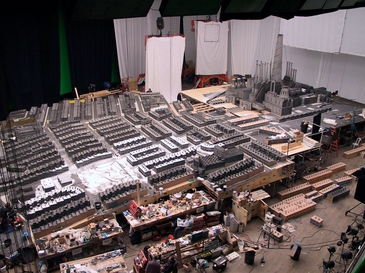
Burton’s version is notable for its carefully constructed production design: elaborate practical sets, costume choices that mark characters’ traits, and digital effects that extend the imagination of the factory. The film uses musical interludes and a score to shift tone between whimsy, dark comedy and moments of poignancy. The Oompa-Loompas and the factory’s rooms are staged to emphasize theatrical spectacle while serving the story’s allegorical elements.
Casting choices and characterization
Johnny Depp crafted a deliberately idiosyncratic interpretation of Willy Wonka and said he sought to develop his own version rather than imitate the earlier screen portrayal by Gene Wilder. Depp has acknowledged influences outside standard cinematic references, citing performers such as Fred Rogers and Bob Keeshan as part of his thinking about Wonka’s public persona. That casting and performance choice became a central point in critical discussion of the film.
Adaptation choices and differences
Compared with earlier adaptations, this film expands backstory and updates certain details to suit a 21st-century audience. Many of Dahl’s original scenes and characters remain recognizable, but some episodes are rearranged or enlarged to develop themes of family, ambition and reconciliation. Critics and viewers have debated how the changes affect the novel’s tone and moral texture, with responses ranging from praise for imaginative reinvention to reservations about departures from the book.
Release, reception and legacy
On release the film drew attention for its visuals, production design and the performances of its leads. Reactions were mixed to positive: some praised the inventive staging and emotional focus on Wonka’s past, while others preferred a closer adherence to Dahl’s original or to earlier film versions. Over time the film has remained a reference point in discussions about literary adaptations, directorial style and the challenge of reimagining well-known children’s stories for new generations.
As a cinematic reworking of a beloved novel, the 2005 film contributes to ongoing conversation about faithfulness versus reinterpretation in adaptation, and it continues to be shown, discussed and compared with other versions in popular culture and film studies.
Further reading and resources include pages about the novel and its adaptations: the original book Charlie and the Chocolate Factory, biographical information on Roald Dahl, director Tim Burton and principal cast members such as Freddie Highmore, Johnny Depp and David Kelly.
Related articles
Author
AlegsaOnline.com Charlie and the Chocolate Factory (2005 film) Leandro Alegsa
URL: https://en.alegsaonline.com/art/18800
Sources
- web.archive.org : Interview: Johnny Depp