
CAF Champions League — Africa’s premier club football competition
Annual continental club tournament organized by CAF for top African league teams; features qualification via domestic performance, group and knockout phases, and leads to the FIFA Club World Cup.
Overview
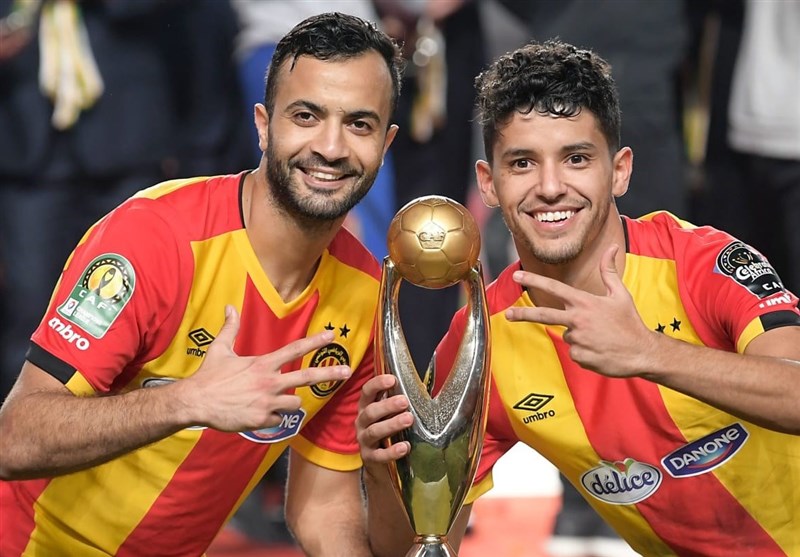
The CAF Champions League is the leading annual club football competition in Africa, bringing together the continent's top-performing domestic teams. It determines the continent's club champion and offers continental prestige, television exposure and international qualification for the winner.
Image gallery
6 Images



Format and qualification
Clubs reach the competition based on their placing in national leagues and, in some cases, cup competitions. The tournament typically combines preliminary rounds, a group phase, and a knockout stage culminating in a two-legged or single-match final depending on the edition.
- Preliminary and qualifying ties decide which clubs enter the group phase.
- A group stage gives teams multiple matches and determines quarter-finalists.
- Knockout rounds produce the eventual champion, who then represents Africa in intercontinental contests.
History and development
The competition began in the 1960s under earlier names and was restructured and rebranded into its present form in the late 1990s. Over time it has grown in commercial importance and professionalism, reflecting broader developments in African club football, sponsorship, and broadcast coverage.
Significance and rewards
Beyond a continental trophy, winners gain entry to the FIFA Club World Cup and often play the CAF Super Cup against the Confederation Cup champion. Success in the competition can raise a club's profile, attract players, and increase revenue from prize money and sponsorship.
Notable facts and distinctions
Certain clubs have established continental legacies through repeated success, and the tournament has produced memorable matches and rivalries that span regions. It remains the premier stage for African club football, showcasing domestic talent and linking national leagues to the global game.
Further information
For schedules, historical records and current-season details consult official CAF publications and organizers' communications linked through governing channels.
Related articles
Author
AlegsaOnline.com CAF Champions League — Africa’s premier club football competition Leandro Alegsa
URL: https://en.alegsaonline.com/art/15957