
Buuhoodle: city and contested center in northern Somalia
Buuhoodle is a town in northern Somalia known for its historical links to the Dervish movement and for being the focus of competing regional administrations and local governance efforts.
Overview
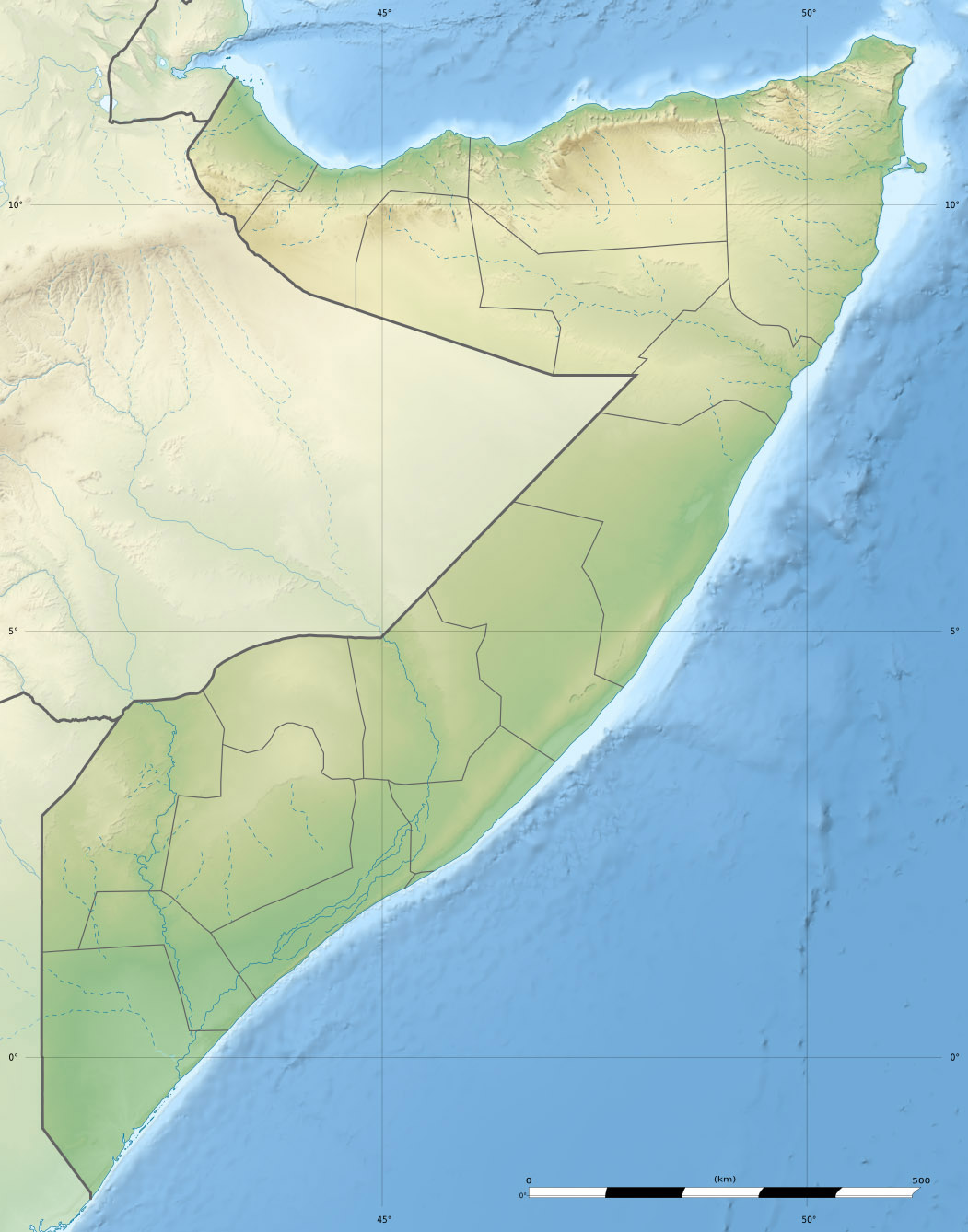
Buuhoodle is a town in northern Somalia near the borderlands between Somaliland, Puntland and Ethiopia. It functions as a regional market and local administrative centre for surrounding rural communities. The town’s location has made it both a local trading hub and a focal point in broader regional politics within Somalia.
Image gallery
3 Images

History and cultural significance
Local memory and several historical accounts associate the area of Dareema Caddo in Buuhoodle with the early activities of the Daraawiish (Dervish) movement. The town and its environs retain historical and cultural importance for clans and communities that trace involvement in nineteenth- and early-twentieth-century anti-colonial resistance, and for pastoral traditions that continue to shape local life.
Administration and politics
Control of Buuhoodle has been contested by multiple administrations and local movements. Competing claims and shifting alliances reflect the complicated governance landscape of northern Somalia, where identity, clan politics and regional ambitions intersect.
- Local and clan-based administrations seeking autonomy or local governance.
- Movements such as SSC State and Khatumo, which have sought influence in the area.
- Puntland and other regional authorities with political or administrative claims.
Economy, society and importance
Buuhoodle’s economy is largely shaped by pastoralism, small-scale trade and seasonal markets that connect herders and traders. Services such as schools, clinics and marketplaces serve surrounding villages. The town’s position on transit routes makes it important for cross-border trade and for humanitarian access when drought or conflict affects the region.
Notable facts and context
The town exemplifies challenges faced across northern Somalia: overlapping territorial claims, efforts at local administration, and the persistence of customary systems alongside formal political structures. For broader context on the country, see Somalia.
Related articles
Author
AlegsaOnline.com Buuhoodle: city and contested center in northern Somalia Leandro Alegsa
URL: https://en.alegsaonline.com/art/15705