
Butler
A butler is a senior household servant who manages domestic staff and the service of a large home. Historically a male role, modern butlers work in private homes, hotels and corporate settings.
A butler is a senior household servant responsible for the running of a large private residence and the supervision of other domestic staff. Historically described as the chief male servant, the butler has been associated with formal service, the care of silver and wine, and management of the male servant staff. For a general definition of a domestic worker see domestic worker.
Image gallery
7 Images
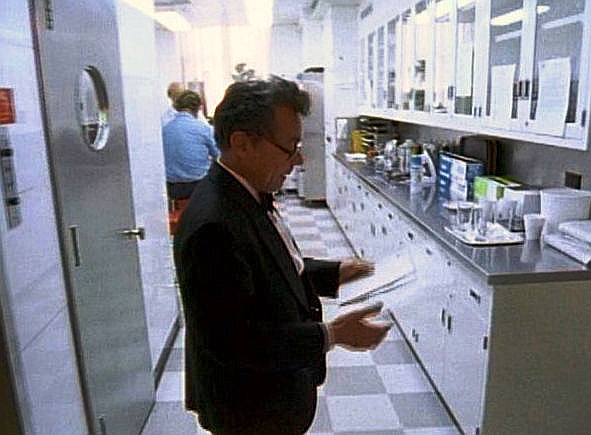

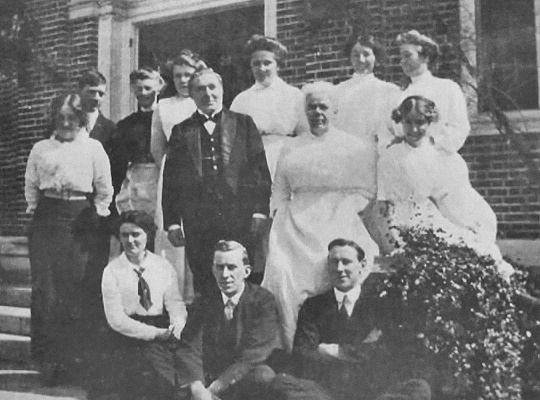


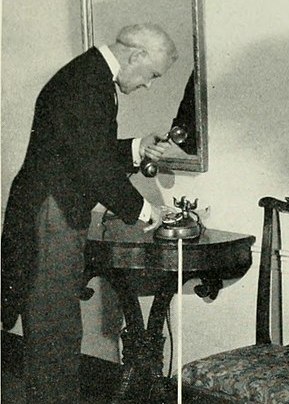
Typical duties and responsibilities
Beyond formal service at table, a butler's duties traditionally include overseeing the dining room and pantry, maintaining silver and glassware, managing wine cellars, liaising with suppliers and coordinating other household employees such as valets, footmen and chauffeurs. Modern duties often add budgets, schedules and contractor oversight.
- Household management and staff supervision
- Formal table service and guest hosting
- Care and inventory of silver, china and wine
- Security, maintenance scheduling and vendor coordination
- Personal assistance tasks, when acting as a valet or private secretary
History and development
The role evolved from medieval and early modern domestic offices where households divided labour among specialized servants. Over centuries the butler became the senior male servant in large British and European houses, often charged with the household's wine and provisioning. Industrial and social changes in the 19th and 20th centuries altered household sizes and the nature of service, but the butler remained a symbol of formal domestic management.
Modern adaptations and contexts
Today butlers work in a variety of settings: private residences, estates, yachts, luxury hotels and corporate households. The title now applies to both men and women and often denotes trained household managers who combine traditional service skills with administration, technology use and event planning. Professional training schools and certification programs exist to teach etiquette, household accounts, wine knowledge and management techniques.
Distinctions and notable facts
In traditional domestic hierarchies the butler typically managed male servants while a housekeeper oversaw female staff. Contemporary practice emphasizes blurred lines: job descriptions vary widely by employer. Popular culture and literature have also shaped the public image of the butler, often highlighting discretion, formality and reliability as defining traits.
Whether in a historic mansion or a modern penthouse, the butler's role combines hands‑on service, organizational skill and discretion. For broader context on domestic occupations and labour, consult resources about professional household staff and domestic service.
Author
AlegsaOnline.com Butler Leandro Alegsa
URL: https://en.alegsaonline.com/art/15661
Sources
- butlersguild.com : Butler's Guild