
Bun'ei (文永): Japanese era name, 1264–1275
Bun'ei (1264–1275) was a Japanese nengō spanning the reigns of Emperors Kameyama and Go-Uda. It is best known for the 1274 Mongol invasion (the Bun'ei no eki) and developments under the Kamakura shogunate.
Bun'ei (文永) is a Japanese era name, or nengō, that lasted from February 1264 until April 1275. The term nengō refers to the practice of assigning a name to a span of years; the literal idea of a "year name" is often discussed in studies of court chronology (year name). Bun'ei followed the Kōchō era and preceded the Kenji era, and it falls within the late Kamakura period of Japanese history.
Image gallery
4 Images


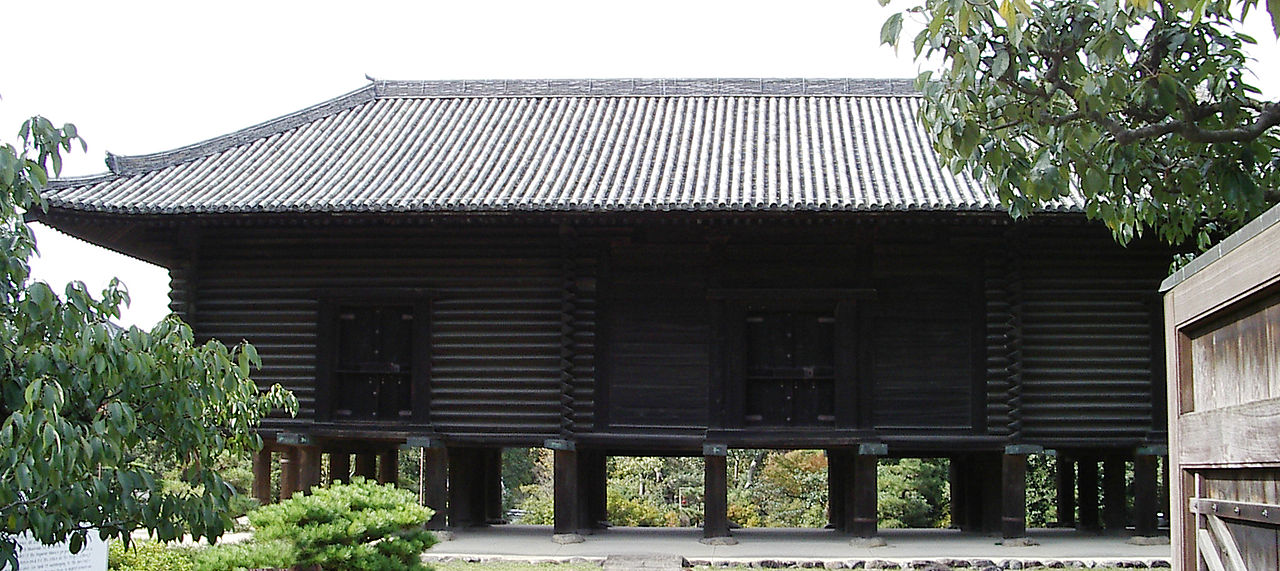
Context and rulers
During Bun'ei the imperial throne was held by Emperor Kameyama and later by his successor Emperor Go-Uda. The imperial court continued its ceremonial role while real political power rested largely with the Kamakura shogunate and the regents of the Hōjō clan. Bun'ei appears in contemporary records and later chronicles as a distinct span used to mark events and official documents in the mid-13th century.
Notable events
- 1264: Era name Bun'ei is adopted, marking a new calendrical period after Kōchō.
- 1274: The first Mongol invasion of Japan, commonly called the Bun'ei no eki, took place. Forces from the Mongol-led Yuan dynasty attempted to land on Kyushu but were repelled after fighting in and around Hakata Bay; storms that disrupted the invaders are later remembered in tradition as a "divine wind".
- 1275: Bun'ei ends and is succeeded by the Kenji era.
The 1274 invasion had immediate military and administrative consequences: the shogunate prioritized coastal defenses, organized military responses, and reinforced strategic sites in northern Kyushu. Although the imperial court retained symbolic importance, the shogunate's mobilization and the responses of local samurai shaped the period's practical governance.
In cultural and historical terms, Bun'ei is often discussed in connection with the Mongol threat and the evolving relationship between the imperial household and military government. The era's events influenced subsequent policies, including plans for larger fortifications and changes in how regional warriors were organized and rewarded. For further reading on era names, succession, and this period's political structures see standard references on Japanese chronology and the Kamakura regime (Kameyama).
Tags
Related articles
Author
AlegsaOnline.com Bun'ei (文永): Japanese era name, 1264–1275 Leandro Alegsa
URL: https://en.alegsaonline.com/art/15312
Sources
- books.google.com : "Bun'ei"
- books.google.com : Annales des empereurs du Japon, pp. 253-261;
- books.google.com : p. 261
- kunaicho.go.jp : 後嵯峨天皇 (88)
- kunaicho.go.jp : Ceremony of Accession (Sokui-no-Rei)
- books.google.com : p. 262
- books.google.com : 270.
- books.google.com : 100 decisive battles: from ancient times to the present, p. 147.
- books.google.com : Genghis Khan & the Mongol Conquests 1190–1400, p. 66.