
William P. Murphy — American physician and Nobel laureate
William P. Murphy (1892–1987), American physician who shared the 1934 Nobel Prize for showing that dietary liver could reverse certain anemias, a discovery that led to vitamin B12 therapy.
William Parry Murphy (February 6, 1892 – October 9, 1987) was an American physician noted for clinical research that transformed the treatment of a formerly fatal form of anemia. In 1934 he shared the Nobel Prize in Physiology or Medicine with George R. Whipple and George H. Minot for demonstrating that a diet rich in liver produced dramatic improvements in patients with severe anemia.
Image gallery
2 Images
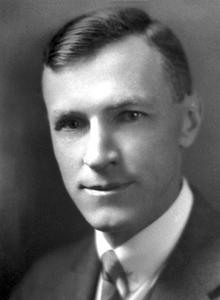
Overview of the discovery
Murphy and his colleagues carried out clinical studies showing that liver feeding produced rapid recovery of red blood cell counts in sufferers of pernicious and other severe anemias. Their practical, patient-focused approach converted an experimental observation into an effective therapy and provided a clear demonstration that specific dietary factors could cure a metabolic disease.
Context and scientific importance
The liver treatment established that an extractable substance in food could reverse the disease. This finding stimulated biochemical work that eventually identified and purified the active compound—what is now known as vitamin B12—leading to safer, standardized treatments (including injections and purified supplements) and turning a once-fatal illness into a manageable condition.
Career and legacy
Murphy worked in clinical medicine and medical research at institutions affiliated with Harvard and played a role in teaching and hospital practice. His Nobel recognition, shared with George R. Whipple and George H. Minot, highlighted the value of combining laboratory studies with careful observations in patients. The liver therapy remains an important historical example of translational medicine.
Notable facts and distinctions
- The 1934 Nobel Prize honored work that bridged experimental physiology and direct patient care.
- Although liver feeding was an early therapeutic step, later research isolated the specific nutrient responsible and enabled safer, more convenient treatments.
- Murphy's work is frequently cited in discussions of nutritional deficiency diseases and the development of modern vitamin therapy.
Murphy's contribution is remembered as a turning point in hematology and in the broader understanding of how diet and specific micronutrients affect human health.
Author
AlegsaOnline.com William P. Murphy — American physician and Nobel laureate Leandro Alegsa
URL: https://en.alegsaonline.com/art/147882