
Waterville, Maine: city on the Kennebec River
Waterville is a city in Kennebec County, Maine, known for its riverfront setting, liberal arts college, small-college culture, arts scene, and history as a 19th–20th century mill and manufacturing center.
Overview
Waterville is a city in Kennebec County, in the central region of Maine. Located on the west bank of the Kennebec River, it long served as a local commercial and industrial hub. According to the 2010 census the population was 15,722. Today the city functions as an educational, cultural, and service center for the surrounding rural area.
Image gallery
10 Images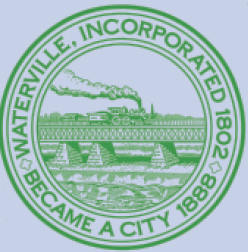




Geography and climate
Waterville sits along a bend of the Kennebec River, which shaped its early settlement and industry. The area experiences a humid continental climate: cold, snowy winters and warm summers. Its central-Maine location places it within driving distance of larger cities while retaining a small-city character.
History and development
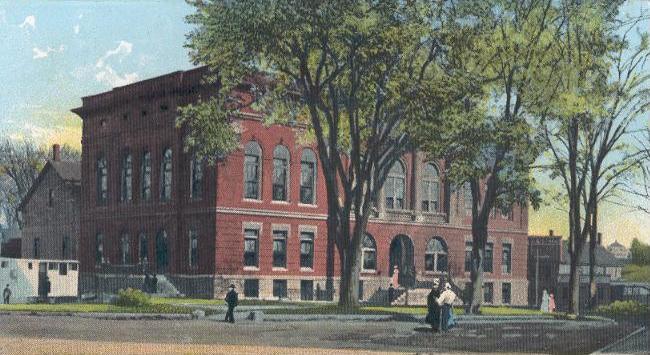
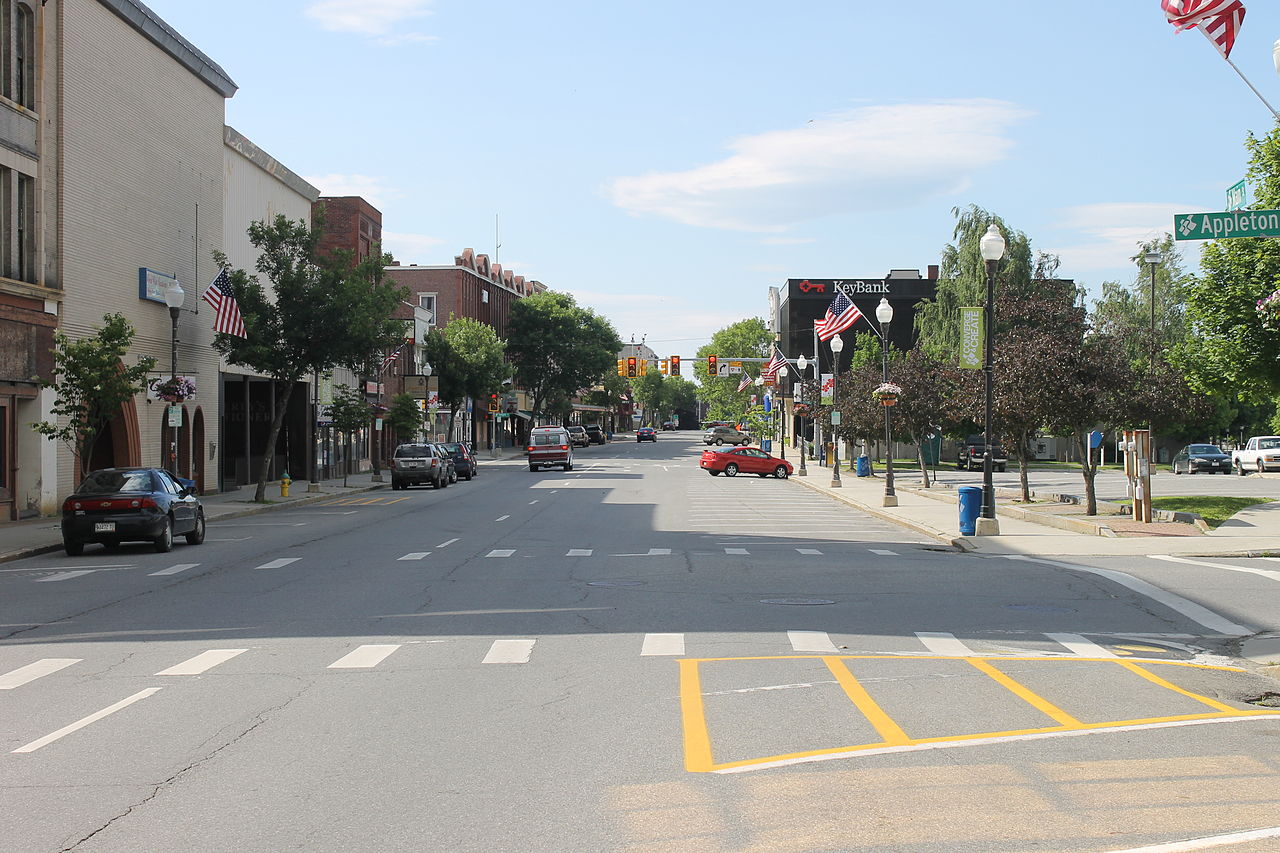
Settlement and growth around the river led to Waterville's emergence as an industrial town in the 19th and early 20th centuries, with mills and manufacturing concentrated on the waterfront. Like many New England mill towns, the city saw economic shifts in the later 20th century as industries declined. In recent decades Waterville has pursued downtown revitalization and repurposing of historic buildings to support arts, education, and small businesses.
Economy and culture
The local economy is anchored by higher education, healthcare, retail, and small manufacturing. Cultural life has been strengthened by investments in performing and visual arts, film events, and community festivals. The riverfront, historic downtown streets, and a growing arts scene attract residents and visitors.
Notable institutions and events
- Colby College — a major liberal arts college whose presence influences the city’s cultural and intellectual life.
- Thomas College — a smaller private college offering career-oriented programs.
- Colby College Museum of Art — a significant regional art museum associated with Colby.
- Maine International Film Festival and other arts events that bring filmmakers and audiences to the downtown area.
Waterville is often noted for blending small-city services with campus energy and a growing emphasis on arts-led redevelopment. It serves as a regional center in central Maine while preserving landmarks and riverfront landscapes that reflect its industrial past.
Author
AlegsaOnline.com Waterville, Maine: city on the Kennebec River Leandro Alegsa
URL: https://en.alegsaonline.com/art/147536