
Walter Horton (Big Walter "Shakey" Horton)
American blues harmonica player (1917–1981) known for refined tone, precise phrasing, and major influence on postwar Chicago blues and harmonica technique.
Overview
Walter Horton (April 6, 1917 – December 8, 1981), widely known as Big Walter Horton or "Shakey" Horton, was an American harmonica virtuoso whose work helped define modern blues harp playing. Active from the 1930s through the 1970s, Horton combined musical sensitivity with technical command, making him a model for later generations of blues harmonica players. He is frequently cited in studies of the blues harp and of the Chicago blues tradition.
Image gallery
1 Image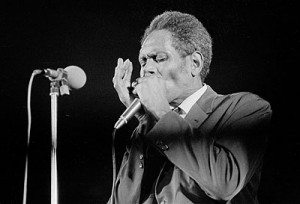
Style and technique
Horton was admired for a warm, flexible tone and an economy of notes: he favored melodic clarity over constant ornamentation. His playing often featured:
- precise single-note phrasing rather than constant chordal wailing,
- controlled breath and subtle dynamics,
- use of amplification when needed to blend with electric groups,
- a lyrical sense that supported singers and instrumentalists alike.
Career and recordings
Horton worked extensively as both a leader and a sideman, performing in clubs, onstage and in the studio. He recorded sporadically under his own name and more often accompanied other blues artists, contributing tasteful harp parts that elevated ensemble performances. His recorded legacy includes small-group blues sides, live club recordings, and later studio sessions that document his mature approach.
Influence and legacy
Although not always a commercial star, Horton earned widespread respect among musicians. Younger harp players studied his phrasing and tone; many credit him with expanding the expressive potential of the instrument in postwar electric blues. His approach bridged earlier country blues harp techniques and the amplified, urban style that characterized mid‑20th century Chicago blues.
Notable facts
Horton’s sobriquets—Big Walter and "Shakey"—reflect personal and musical recognition rather than marketing invention. He was known as a generous accompanist who could support vocalists and soloists with unobtrusive intelligence. Modern anthologies and instructional discussions about blues harmonica often reference his work as exemplary.
Further reading and listening
To explore Horton’s playing, listeners can seek compilations of classic blues harp recordings and collections that focus on postwar blues ensembles. For contextual background about the instrument and its role in blues music, see sources on the history of the blues harp and surveys of Chicago blues development.
Author
AlegsaOnline.com Walter Horton (Big Walter "Shakey" Horton) Leandro Alegsa
URL: https://en.alegsaonline.com/art/147422