
Vladimir Ivashko — Soviet Ukrainian politician (1932–1994)
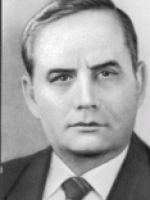
Vladimir Antonovich Ivashko (1932–1994) was a Ukrainian-born senior Communist Party official who briefly assumed leadership functions of the CPSU during the political crisis of August 1991 and left public life afterward.
Overview
Vladimir Antonovich Ivashko (Russian: Влади́мир Анто́нович Ива́шко) was a Soviet politician of Ukrainian origin who rose through the Communist Party ranks in the late Soviet period. Often described as a senior Ukrainian party figure, he is best known for his role during the upheaval around the failed August 1991 coup and the subsequent dismantling of the party. He is commonly identified as a Ukrainian politician because of his long career in the Ukrainian SSR party structures before moving to the all‑Union level.
Image gallery
2 Images
Political career and roles
Ivashko spent much of his career within the Communist Party apparatus, occupying increasingly senior posts at regional and republican levels and later within the central organs of the Communist Party of the Soviet Union (CPSU). By the end of the 1980s he was among the higher‑ranking officials who bridged republican and union politics at a moment when reforms and nationalist pressures were reshaping Soviet institutions.
1991 crisis and brief leadership functions
During the critical days in August 1991, following the attempted coup against the Soviet leadership and the rapid political changes that followed, Ivashko briefly assumed the functions associated with the party leadership as the CPSU sought to reorganize. His tenure was short and took place against the background of the effective collapse of the party's authority, the suspension of many of its activities and decisions by republics and governments, and moves to curb the CPSU's influence.
Aftermath and later life
After the party's central role was curtailed and many of its structures were dismantled or banned in different parts of the former Soviet space, Ivashko did not return to a prominent public role. Like a number of senior Communist officials of the era, he withdrew from the forefront of politics. He died in Moscow in 1994 after a prolonged illness.
Notable facts and legacy
- Ivashko is remembered as one of several senior officials whose careers illustrate the transfer of authority from republican to union levels and back again during the late Soviet period.
- His brief assumption of party leadership functions occurred at a symbolic turning point when the CPSU's monopoly on power was ending and new political arrangements were emerging across the USSR.
- Historians view figures like Ivashko as representative of the last generation of Soviet apparatchiks whose institutions were overtaken by rapid political change.
For readers seeking primary documents or contemporary accounts, the Russian‑language form of his name and archival references are commonly used in scholarly works and news reporting from the period. Further reading can also be found through archival and specialized studies of the CPSU's final years and the August 1991 crisis.
Author
AlegsaOnline.com Vladimir Ivashko — Soviet Ukrainian politician (1932–1994) Leandro Alegsa
URL: https://en.alegsaonline.com/art/147337