
Vivienne Westwood: British fashion designer and activist
Dame Vivienne Westwood (1941–2022) was a British designer who brought punk aesthetics into high fashion, built a global label, and used design to advance environmental and political causes.
Vivienne Isabel Westwood DBE RDI (born 8 April 1941 in Tintwistle, Cheshire; died 29 December 2022) was a British fashion designer, businesswoman and political activist. She is widely credited with taking elements of punk and new wave street style into the wider fashion world and for shaping several decades of contemporary design practice. Her career bridged subcultural clothing, theatrical runway shows and a global luxury label.
Image gallery
7 Images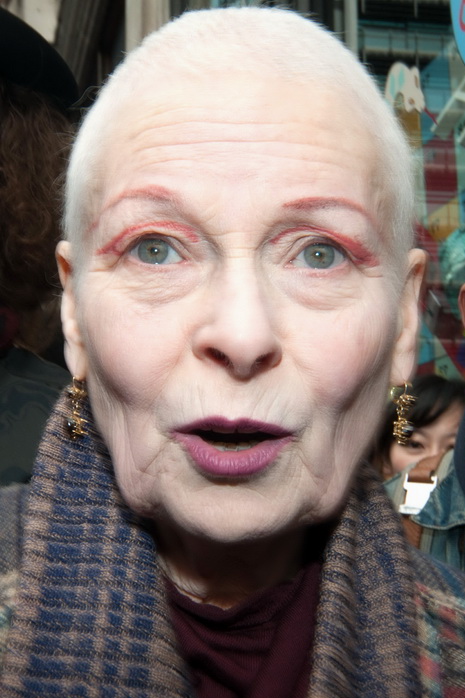



Design characteristics and approach
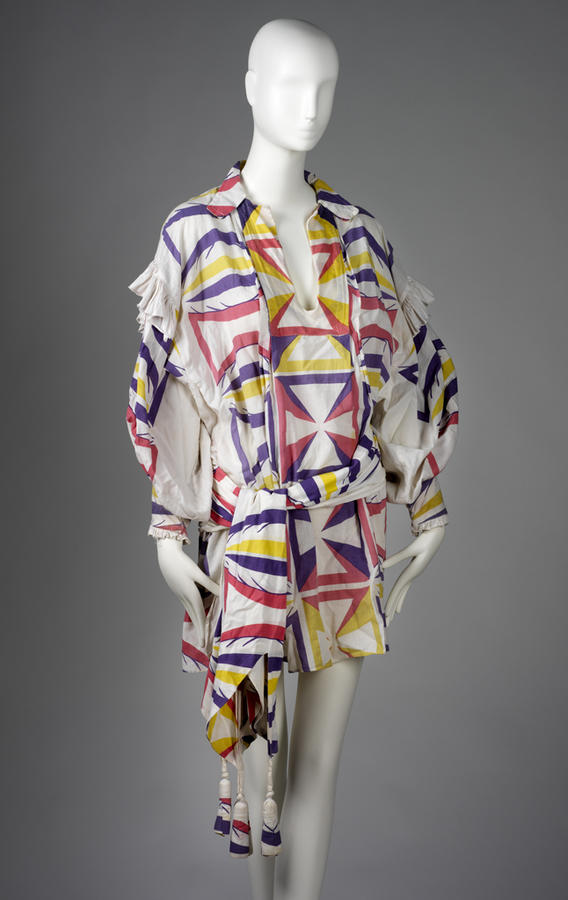
Westwood’s work blended provocative imagery, historic costume references and deconstructed tailoring. Recurring motifs included tartan, corsetry, safety pins, bondage-inspired details and deliberate distressing. She combined handcrafted techniques with theatrical silhouettes and often referenced 18th- and 19th-century dress to create garments that were at once subversive and rooted in sartorial history. Her collections frequently juxtaposed streetwise rebellion with couture-level craftsmanship.
Origins and career development
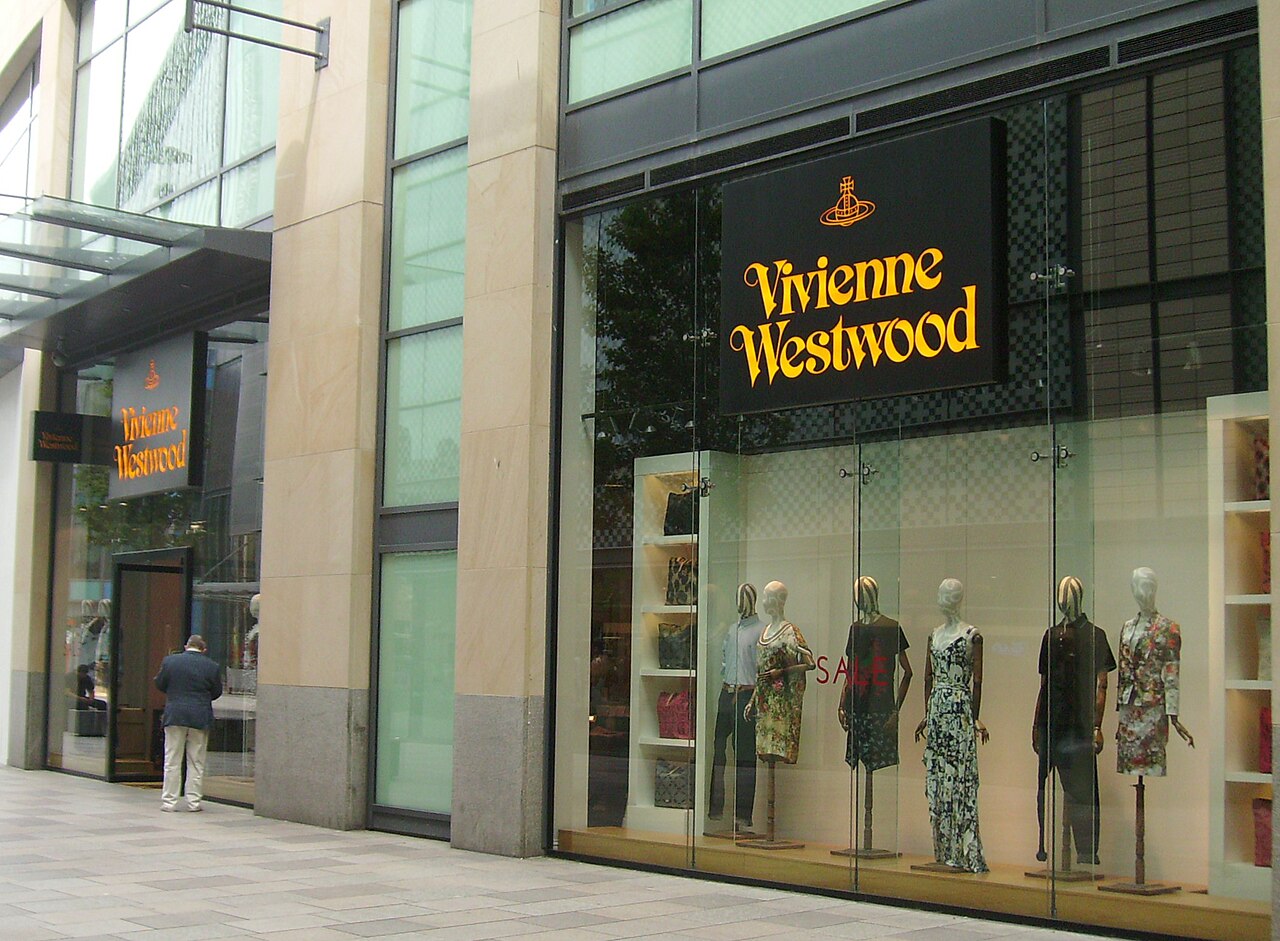
Westwood rose to prominence in the 1970s while collaborating with Malcolm McLaren on a series of King's Road boutiques that supplied and shaped early punk style. Those shopfronts and their provocative window displays made a strong cultural impact and brought attention to a new, youth-led aesthetic. Across the 1980s and beyond she moved from streetwear into established fashion circuits, showing in major fashion capitals and developing a business that included ready-to-wear, accessories and perfume.
Activism and public engagement
Throughout her life Westwood used fashion as a platform for political messages. She campaigned on environmental issues, climate change and anti-consumerism, and collaborated with environmental groups and grassroots movements. Her runway shows and public interventions often included explicit statements about politics and sustainability, underlining her view that designers could influence public debate beyond clothes.
Legacy, recognition and influence
Westwood received numerous honors during her career, including appointments that recognize her contribution to design and British cultural life (she used the titles DBE and RDI). Museums have staged retrospectives of her work and many contemporary designers cite her irreverent approach to tradition as an influence. Her brand remains known for its blending of rebellious iconography with high-fashion presentation.
Notable contributions and context
- Popularizing punk visuals—safety pins, ripped fabrics and DIY aesthetics—within mainstream fashion.
- Merging historical costume forms with modern tailoring to challenge expectations of gender and propriety.
- Using commercial platforms to raise awareness about political and environmental issues.
As a public figure, Westwood combined entrepreneurship, theatrical design and committed activism. Her work rewritten how fashion can reference subculture and history while addressing contemporary concerns, leaving an enduring impact on style, retail and political engagement in the creative industries.
Author
AlegsaOnline.com Vivienne Westwood: British fashion designer and activist Leandro Alegsa
URL: https://en.alegsaonline.com/art/147332