
United States Capitol Rotunda
Central, domed ceremonial space beneath the Capitol dome in Washington, D.C., noted for its neoclassical design, historic paintings and sculptures, and use for official honors and public visitation.
Overview
The United States Capitol rotunda occupies the central, circular space immediately beneath the Capitol dome in Washington, D.C. It functions as both an architectural focal point for the Capitol complex and as a ceremonial room where the nation marks significant events. Visitors enter a grand, vaulted chamber that has been called the Capitol's symbolic heart and is closely associated with national memory and public ritual.
Image gallery
10 Images




Design, dimensions and materials
The rotunda is a round, neoclassical chamber. Its diameter measures about 96 feet and the walls rise roughly 48 feet to the original cornice; the full interior reaches upward to the base of the dome. Classical orders, pilasters, and a high entablature frame the space, while a painted dome and skylight allow the vertical axis to read as a sequence of architectural stages from floor to crown.
Artwork and decorative program
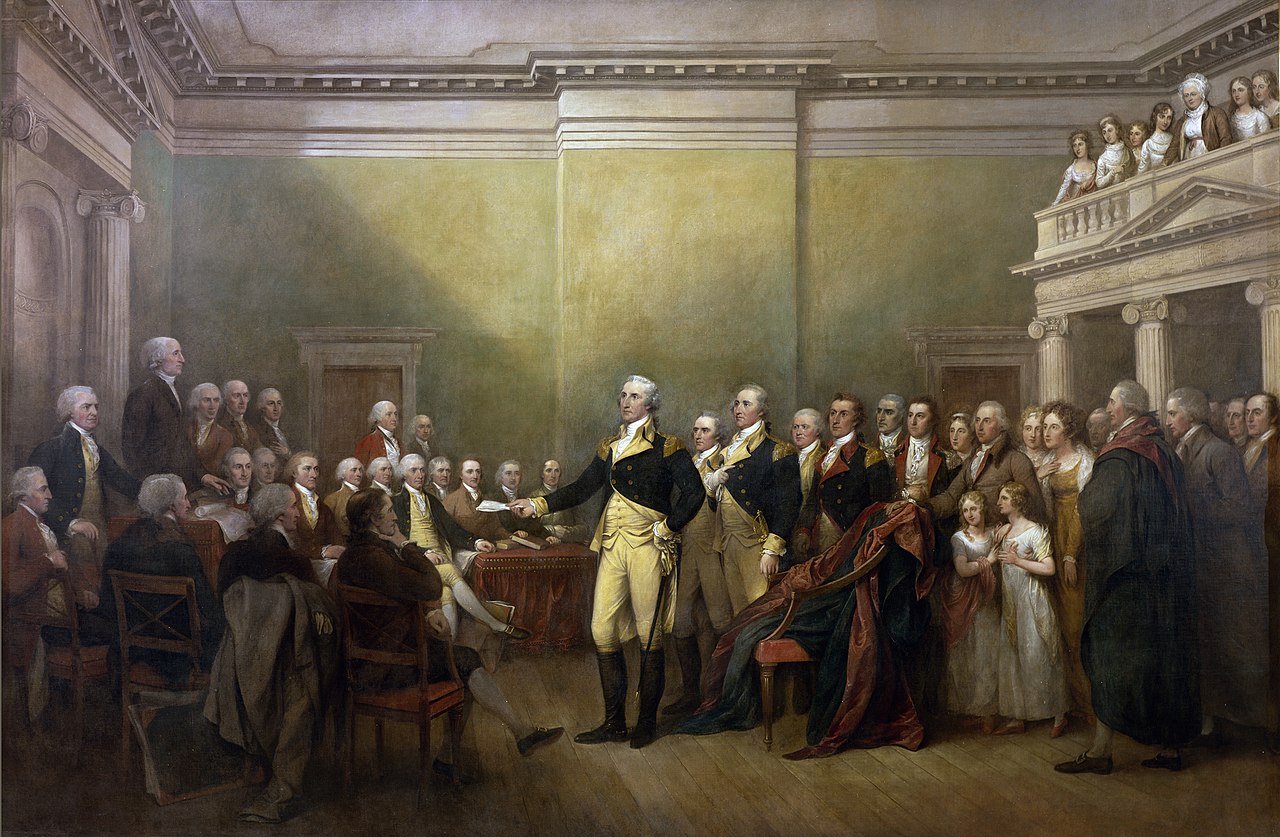
The rotunda is notable for a concentrated program of paintings, sculptures and architectural decoration. A major ceiling fresco and an encircling painted frieze depict scenes drawn from American history and allegory. Large history paintings occupy wall spaces and several statues and commemorative tablets are placed around the perimeter.
- The dome ceiling painting represents a principal allegorical composition.
- The frieze around the rotunda narrates key moments in the nation’s past in a continuous band.
- Wall paintings portray founding and wartime events and are intended for public education as well as commemoration.
History and development
Construction of the rotunda took place in the early nineteenth century and is historically linked to later work on the much larger cast-iron dome above it. As the Capitol evolved, the rotunda’s decoration and finishes were added over time, reflecting changing tastes and the expanding national narrative it was meant to express. Restoration and conservation projects have been undertaken periodically to preserve fragile murals and stonework.
Ceremonial uses, access and significance
The rotunda plays a prominent role in public and governmental ceremonies. It has been used for lying in state and lying in honor for presidents, military leaders, justices and other dignitaries, and it serves as a formal setting for welcoming events and commemorations. As part of the Capitol complex, the rotunda is also a major destination for tourists and school groups and is included in guided tours of the building. For further visitor information see the United States Capitol resource.
Notable facts and distinctions
Because of its location, art, and ritual functions the rotunda functions both as a museum-like space and a working ceremonial chamber. Its combination of architecture, painting and public ceremony makes it one of the most recognized interior spaces of the federal government, often photographed and cited in descriptions of the Capitol as a whole.
Author
AlegsaOnline.com United States Capitol Rotunda Leandro Alegsa
URL: https://en.alegsaonline.com/art/147101