
United Nations Prize in the Field of Human Rights
A quinquennial award established by the UN General Assembly to recognize individuals and organizations for outstanding contributions to the promotion and protection of human rights.
The United Nations Prize in the Field of Human Rights is a formal award created by the United Nations General Assembly in 1966 to recognize exceptional work in advancing fundamental freedoms and dignities. The prizes honor both people and organizations whose efforts have significantly promoted or protected human rights. Laureates are commemorated at a public ceremony held on Human Rights Day, 10 December, every five years.
Image gallery
6 Images

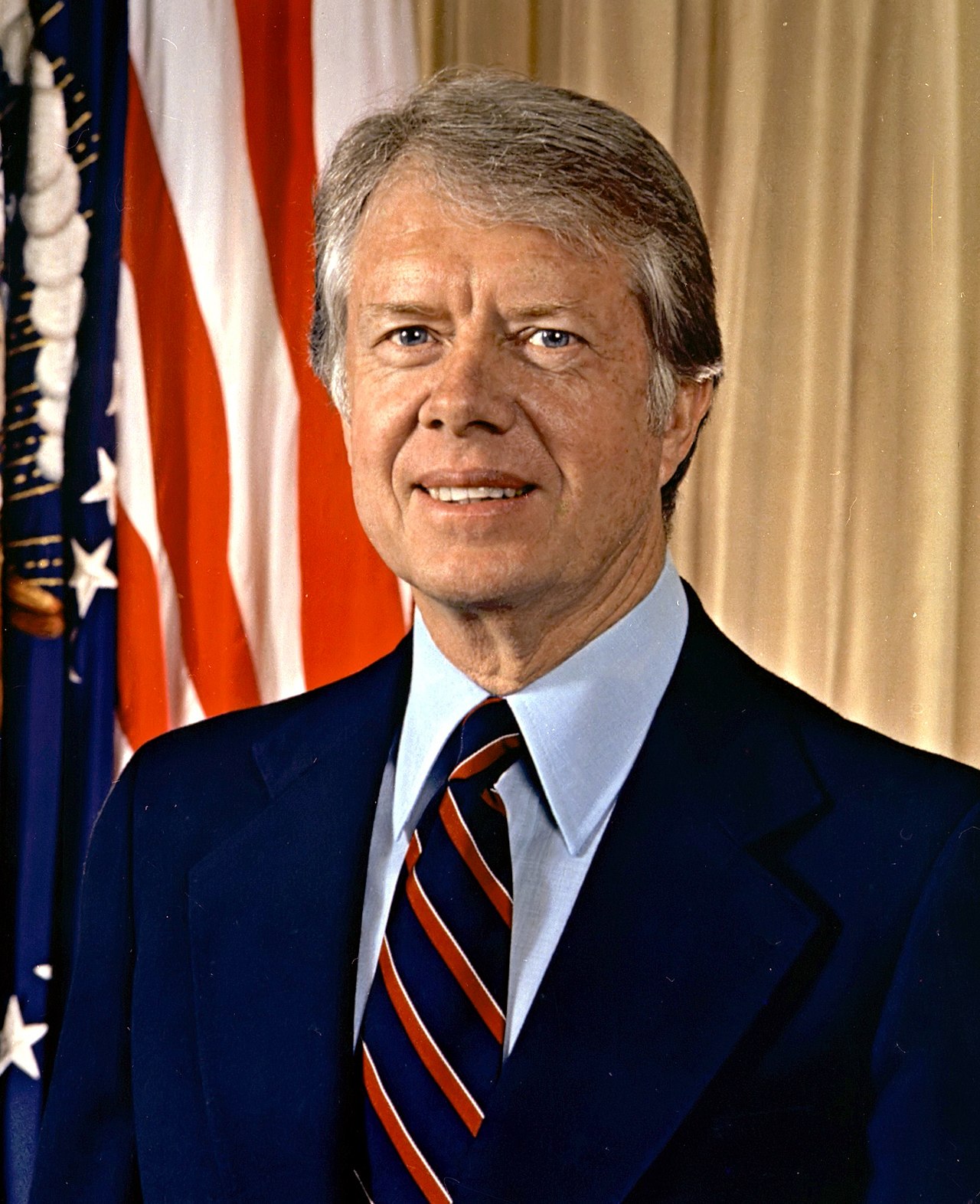


Scope and recipients
The prize can be conferred on individuals, groups, institutions, or movements. Recipients typically include human rights defenders, legal scholars, judges, educators, and non-governmental or intergovernmental organizations. The award is intended to highlight a range of activities such as advocacy, litigation, education, institution-building, and other practical work that advances rights in law and in everyday life.
Key features
- Quinquennial cadence: awarded once every five years, aligning the presentation with Human Rights Day.
- International recognition: gives global visibility to achievements across regions and fields.
- Diverse laureates: can recognize both collective and individual contributions, accommodating a variety of approaches to rights promotion.
History and purpose
Established by a General Assembly decision in the mid-1960s, the prize reflects the UN's continuing commitment to make human rights a central concern of the international community. Over time the award has served both to acknowledge concrete accomplishments and to draw attention to ongoing struggles for civil, political, economic, social, and cultural rights in different parts of the world.
Selection and ceremony
Laureates are chosen through procedures administered within the UN framework. Nominations and deliberations involve UN bodies and Member States; final selections are formalized by the Assembly. Winners are presented with official recognition at the ceremony on 10 December, which provides an occasion for speeches, reflection on human rights progress, and renewed calls to action.
Significance and considerations
The prize functions both as an honor and as an instrument of advocacy: recognition can amplify the reach of recipients, offer moral and political support, and prompt wider public attention to particular issues. Like many international honors, selections sometimes attract debate over priorities and politics, but the award remains one of the United Nations' principal means of celebrating and encouraging work in the human rights field.
Author
AlegsaOnline.com United Nations Prize in the Field of Human Rights Leandro Alegsa
URL: https://en.alegsaonline.com/art/147099