
Trujillo (state, Venezuela)
Trujillo is a mountainous state in western Venezuela with a colonial capital, agricultural economy, Andean landscapes and distinct cultural traditions.
Trujillo is one of the 23 states of Venezuela and occupies part of the Andean highlands of Venezuela. Its capital city, also called Trujillo, is known for colonial architecture, a central plaza and panoramic views of surrounding valleys. The state combines steep mountains, fertile valleys and a mixture of small towns and rural settlements.
Image gallery
10 Images





Geography and environment
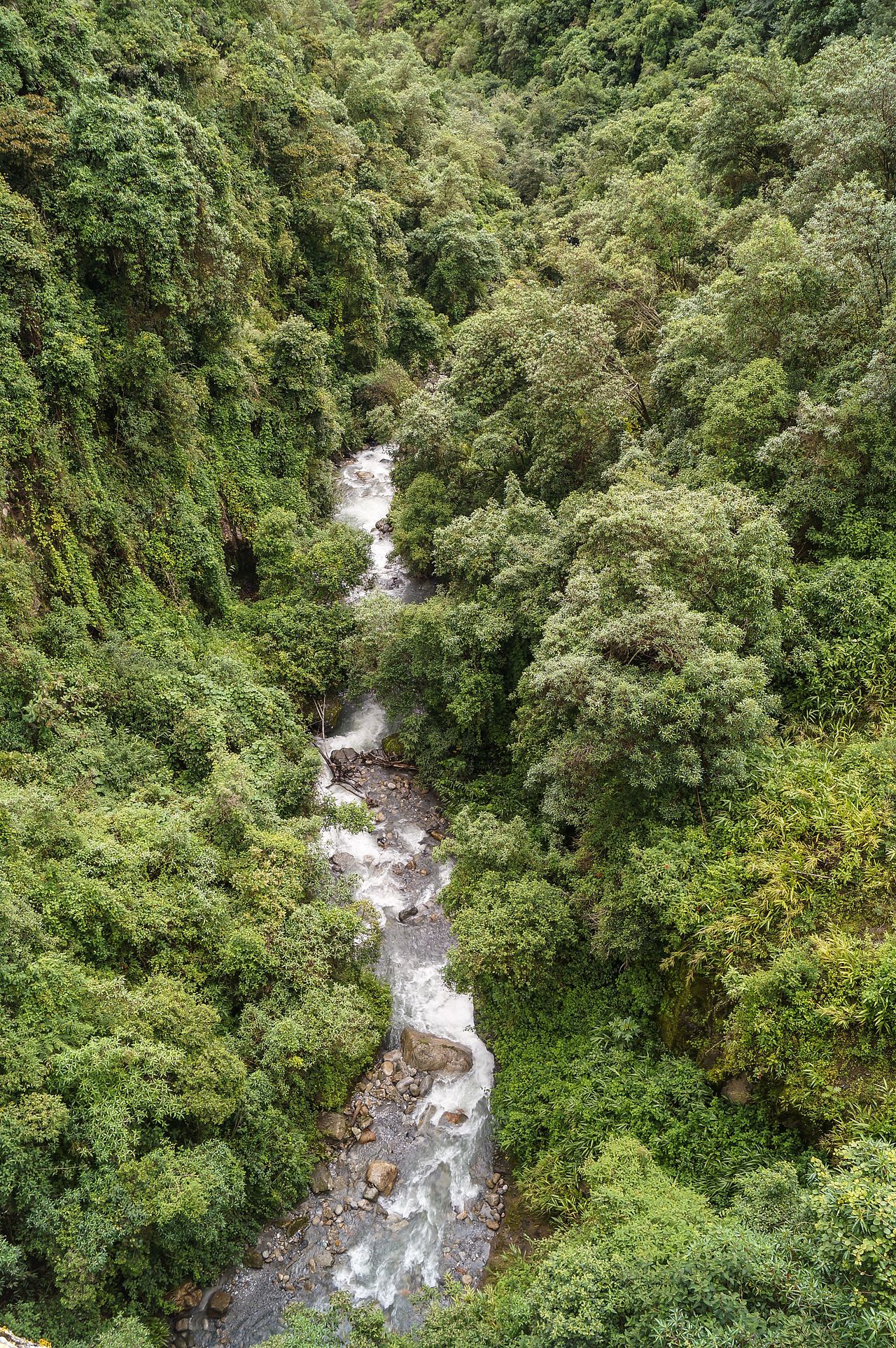
Trujillo's terrain is dominated by Andean ridges and intermontane basins. Elevations produce a variety of microclimates, from temperate highland weather to warmer valley floors. Rivers descend from the mountains to feed agricultural lands, and there are protected forested areas and watersheds that support local biodiversity and water supplies.
History and settlement
The region was inhabited by indigenous groups before Spanish colonization and later developed as a province with colonial towns and churches. Trujillo played a role in the independence era and retains visible colonial-era buildings and plazas. Urban centers grew around agricultural production and administrative functions.
Economy and society
Economic life in Trujillo centers on agriculture, livestock and small-scale manufacturing. Farming often occurs on terraced slopes and valley fields. Typical products include:
- coffee and other cash crops
- sugar cane and basic foodstuffs
- potatoes, vegetables and fruits adapted to highland zones
- cattle and dairy production
Many communities combine subsistence farming with market sales. Small towns provide services, education and trade links to larger urban centers.
Culture, administration and tourism
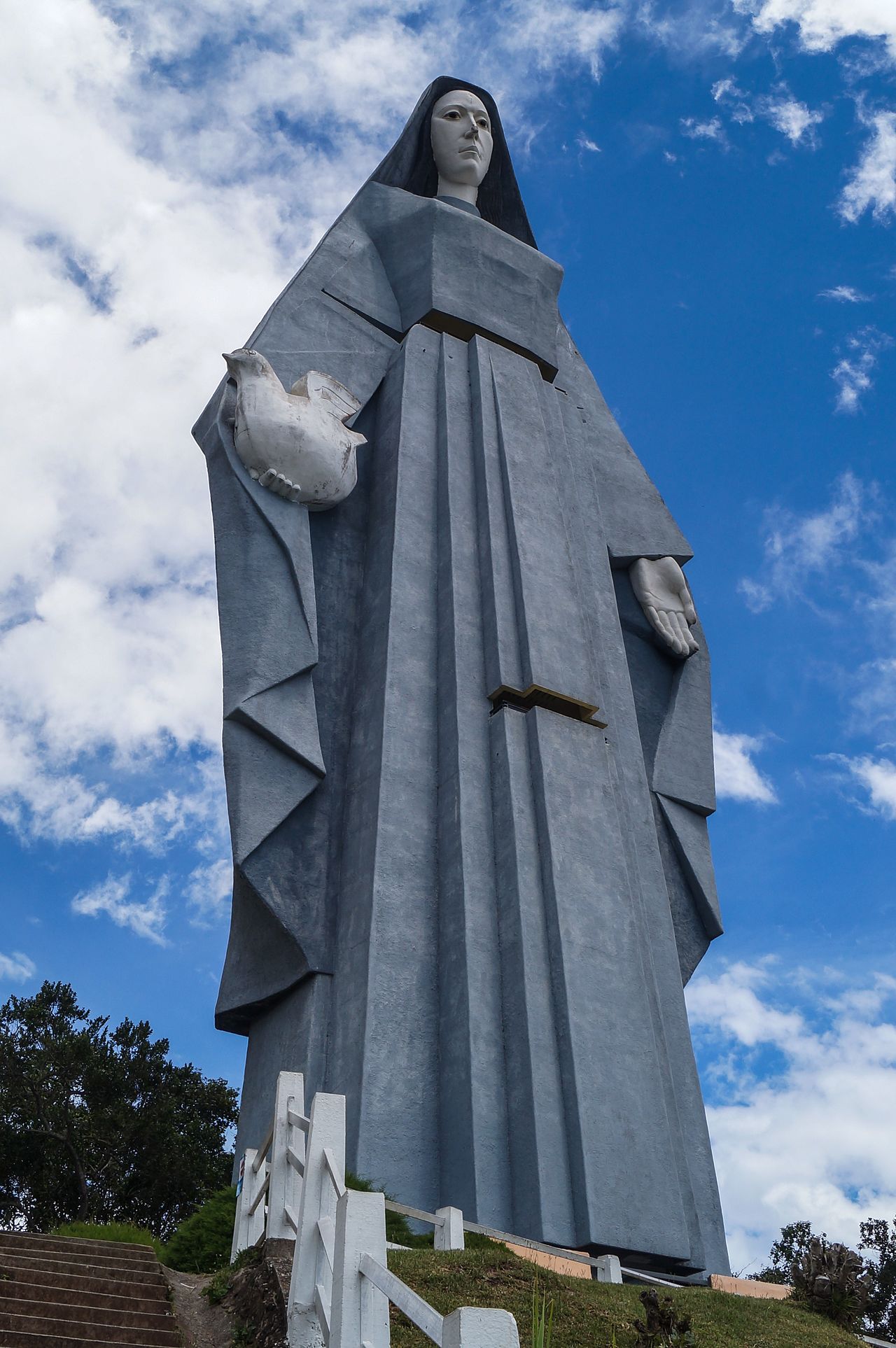
Local culture reflects Andean traditions, Catholic religious festivals, regional music and crafts. Annual fiestas, processions and markets are important social occasions. Administratively the state is governed by a governor and state legislature within Venezuela's federal structure. Visitors are drawn to the scenic mountain landscapes, colonial architecture in the capital and opportunities for hiking and rural tourism.
Trujillo is often noted for its panoramic vistas, agricultural heritage and role as a highland corridor within the Venezuelan Andes, offering a mix of natural attractions and traditional towns.
Author
AlegsaOnline.com Trujillo (state, Venezuela) Leandro Alegsa
URL: https://en.alegsaonline.com/art/146962