
Tipton County, Tennessee
Tipton County is a county in western Tennessee within the Mississippi Delta region. Its county seat is Covington; the area is largely agricultural and part of the Memphis metropolitan region.
Overview
Tipton County is a county on the western edge of the U.S. state of Tennessee. It lies within the broad lowland known as the Mississippi Delta, an area characterized by fertile alluvial soils and a history of intensive agriculture. According to the 2010 census, the county's population was about 61,081. The county seat is Covington, which functions as the center for local government, courts and services.
Image gallery
10 Images




Geography and environment
Tipton County's landscape is largely flat to gently rolling, with extensive floodplains, wetlands and small streams influenced by the nearby Mississippi River and regional drainage systems. The soil and climate support row crops, pasture and wooded tracts. Natural areas provide habitat for waterfowl, songbirds and other wildlife typical of the lower Mississippi Valley.
History and development
The area that became Tipton County was occupied by Native American peoples before European-American settlement in the 19th century. Its economy was shaped by plantation and family farms that grew cotton and other crops; over time the local economy diversified, and towns developed as service and trading centers for the surrounding agricultural region.
Communities, government and services
The county includes small incorporated towns, unincorporated communities and rural homesteads. County government provides courts, public safety, road maintenance and other services, and public education is delivered by the county school system. Many residents commute to nearby urban centers for employment, shopping and specialized services.
Economy and transportation
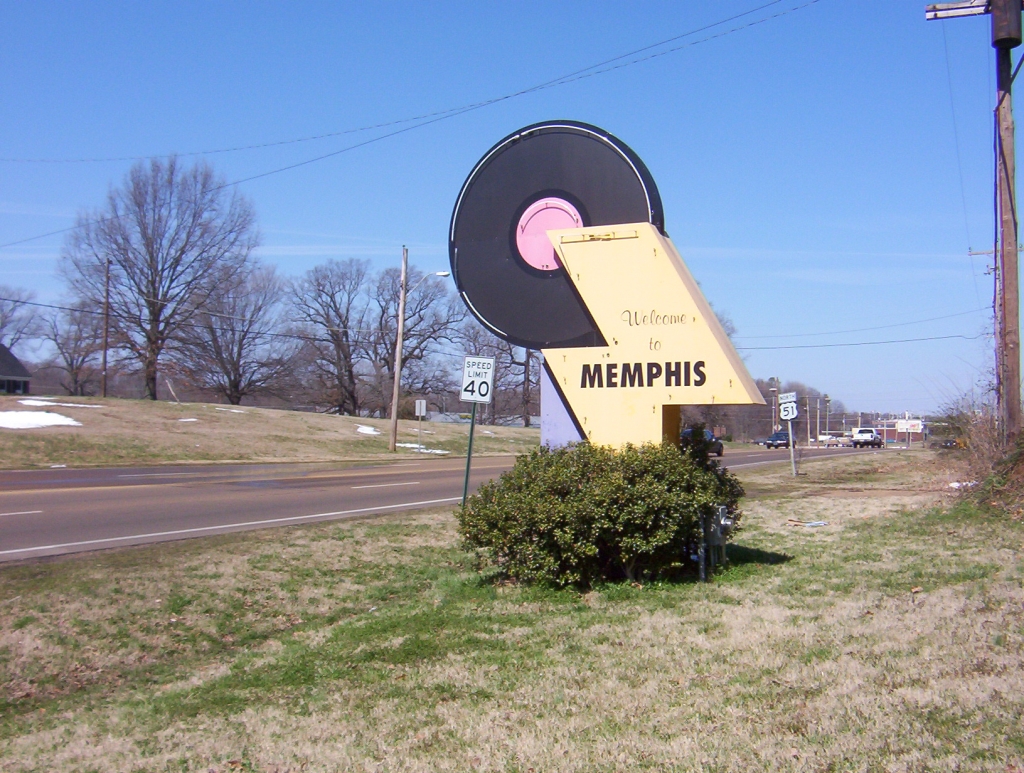
Agriculture remains important, with row crops such as cotton, soybeans and corn alongside livestock and agribusiness. Manufacturing, distribution and service sectors have grown near population centers. A network of state highways and rail connections link Tipton County to the Memphis metropolitan area and regional markets.
Recreation and points of interest
- Outdoor recreation includes fishing, hunting and birdwatching in riverine and wetland areas.
- Historic downtown districts, local museums and county fairs reflect regional heritage.
- Proximity to Memphis offers access to major cultural institutions while retaining a rural character.
For current data on government offices, planning, or economic development consult official county resources or regional planning agencies.
Author
AlegsaOnline.com Tipton County, Tennessee Leandro Alegsa
URL: https://en.alegsaonline.com/art/146798