
Thomas Heyward Jr. (1746–1809)
South Carolina planter, lawyer and judge; signer of the Declaration of Independence and the Articles of Confederation; captured during the Revolutionary War and later returned to state service.
Thomas Heyward Jr. (July 28, 1746 – March 6, 1809) was an American lawyer, planter and political leader from South Carolina. He is best known as one of the signers of the Declaration of Independence and as a representative who approved the Articles of Confederation. His public life combined local legal work, participation in the Continental Congress, and later service in state institutions.
Image gallery
5 Images


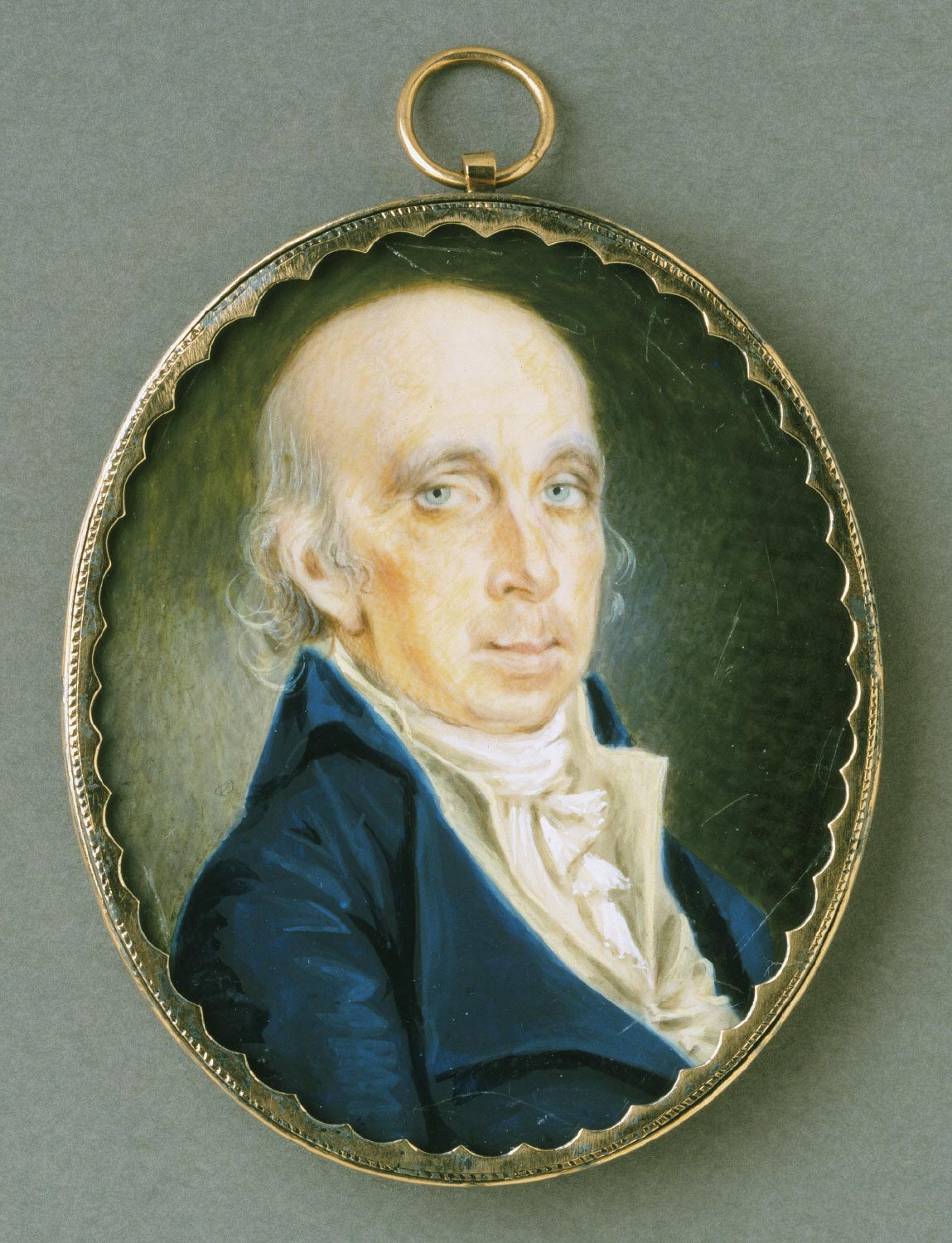

Early life and local career
Born into a prominent Lowcountry family, Heyward trained in law and managed plantation affairs. Like many colonial leaders from the region, he balanced private business with public duties. He served in local offices and gained a reputation that led to his election as a delegate to the Continental Congress.
Revolutionary service and imprisonment
As a member of the Continental Congress he joined fellow South Carolinians in committing to independence. During the war he suffered direct consequences of the conflict: after the British captured Charleston in 1780 he was taken prisoner along with other notable patriots and held for a period before being released or exchanged. His experience exemplified the risks faced by leading revolutionaries.
Postwar roles and later life
After the Revolution Heyward returned to South Carolina and resumed public service. He served in state government and on the bench, contributing to the development of legal institutions in the young state. He also continued to manage agricultural properties until his death in 1809.
Legacy and notable facts
Heyward appears on key national documents and in histories of the Revolution. He was a planter and, like many contemporaries in his region, owned enslaved people; modern scholarship treats that fact as central to understanding his life and the economy he represented. For further reading on signers and their lives see a biographical roster and archival material: signer biographies.
- Born: 1746 • Died: 1809
- Roles: Lawyer, planter, Continental Congress delegate, state judge
- Documents: Signer of the Declaration and the Articles of Confederation
- Region: Associated with South Carolina
- Sources: See primary papers and scholarly biographies for detailed study here
Author
AlegsaOnline.com Thomas Heyward Jr. (1746–1809) Leandro Alegsa
URL: https://en.alegsaonline.com/art/146721