
The Ipcress File (1965 film)
A British Cold War spy thriller directed by Sidney J. Furie, adapted from Len Deighton's novel and notable for its gritty, bureaucratic take on espionage and Michael Caine's performance.
Overview
The Ipcress File is a 1965 British espionage thriller directed by Sidney J. Furie, adapted from the 1962 novel by Len Deighton. The film stars Michael Caine alongside an ensemble that includes Guy Doleman, Nigel Green, Sue Lloyd and Gordon Jackson. It presents a moodier, more workaday view of intelligence work than the glamorous spy adventures that were popular at the time.
Image gallery
2 Images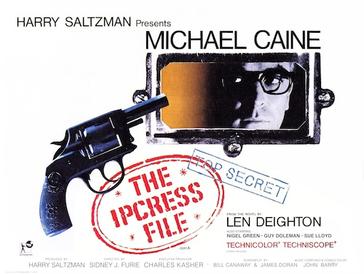

Plot and main themes
At its core the story follows a pragmatic, slightly world-weary intelligence operative who becomes entangled in an investigation into missing scientists and an apparent brainwashing program referred to in the story as IPCRESS. Rather than romanticizing espionage, the film emphasizes bureaucracy, surveillance, and the psychological strain of covert operations. Its tone is often described as cynical and realistic compared with contemporary spy fantasies.
Production and style
The film is notable for a restrained visual and sonic approach that emphasizes mood and procedure over spectacle. Direction favors tight framing, interior locations and the use of everyday London settings to ground the narrative. Costume and production design underline the protagonist's ordinary appearance—an intentional contrast to the tuxedos and gadgets of more fantastical spy films of the era.
Cast and reception
Michael Caine's portrayal of the central operative helped define his screen persona as an intelligent, dryly humorous anti-hero. The supporting cast contributes to an ensemble tone of suspicion and professional detachment. Contemporary audiences and critics responded to the film's freshness and realism, and it played a significant part in establishing Caine's international profile.
Legacy and adaptations
The Ipcress File inspired further screen stories featuring the same protagonist and has been cited as an influence on later, more grounded spy fiction. Its approach to espionage — focusing on tradecraft, office politics and the ethical ambiguities of intelligence work — marked a shift in the genre and encouraged filmmakers and novelists to explore less glamorous, more psychological narratives.
Notable features
- A protagonist who is an everyman rather than an infallible action hero.
- An emphasis on procedure, surveillance and interrogation over gadgetry.
- A tone that blends suspense with dry, ironic humor.
- Influence on subsequent spy films and television adaptations.
For readers interested in the source material or the lead actor's career, the novel and the film are often discussed together when tracing the development of modern spy fiction and cinematic realism in Cold War storytelling.
Author
AlegsaOnline.com The Ipcress File (1965 film) Leandro Alegsa
URL: https://en.alegsaonline.com/art/146622