
The Devil Wears Prada (2006 film)
2006 comedy-drama about a young assistant in New York's fashion world; acclaimed for Meryl Streep's performance and its satirical take on ambition, style, and workplace ethics.
The Devil Wears Prada is a 2006 American comedy-drama film that follows Andrea "Andy" Sachs, an aspiring journalist who takes a demanding assistant job at a high-fashion magazine. Directed by David Frankel from a screenplay by Aline Brosh McKenna, the picture is adapted from Lauren Weisberger's 2003 novel and balances sharp workplace satire with character-driven drama. The story contrasts the glamour of the fashion industry with personal choices and career ambition.
Image gallery
9 Images


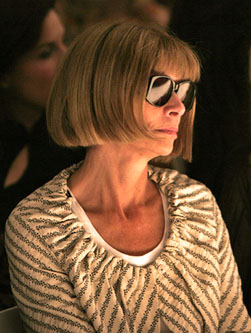

Cast and principal crew
- Meryl Streep as Miranda Priestly — the formidable editor-in-chief: Meryl Streep.
- Anne Hathaway as Andrea "Andy" Sachs, the film's protagonist: Anne Hathaway.
- Emily Blunt as Emily Charlton, a competitive co-assistant: Emily Blunt.
- Stanley Tucci as Nigel Kipling, the magazine's art director: Stanley Tucci.
- Supporting roles include Adrian Grenier, Simon Baker and Tracie Thoms: Simon Baker.
- Produced by Wendy Finerman, directed by David Frankel, adapted from the novel by Lauren Weisberger.
Production combined New York locations with sequences set in Paris to evoke the transatlantic reach of high fashion. Costume design played a prominent role in shaping the film's visual identity and was frequently cited as a factor in both its popular appeal and its authenticity. The screenplay streamlines some elements of the novel to focus on Andy's moral and professional development.
The film explores themes of ambition, identity, and the costs of success. It uses satire to examine the rituals and power structures of a prestige workplace, while also portraying nuanced personal relationships between boss and subordinate. The character of Miranda has been widely discussed as a cultural archetype of the exacting leader, and the movie balances critique with moments of empathy.
Reception and legacy
Critics praised performances, especially that of Meryl Streep, whose portrayal drew awards recognition and widespread commentary. The movie was also a commercial success and helped raise the profiles of several cast members, notably Emily Blunt and Anne Hathaway. Beyond box-office and awards, the film entered popular discourse for its memorable lines and its depiction of the fashion world, influencing how workplace ambition and style are represented in later films and television.
Because the novel drew on the author's time as an assistant in the magazine industry, the film is often discussed alongside real-world fashion institutions and the blurred line between fiction and reportage. It remains a frequently cited example of a mainstream film that uses a glossy setting to ask questions about values, compromise, and career identity.
Author
AlegsaOnline.com The Devil Wears Prada (2006 film) Leandro Alegsa
URL: https://en.alegsaonline.com/art/146595