
St Antony's College, University of Oxford
A graduate college at the University of Oxford, founded in 1950 and chartered in 1953, noted for international study, area-centred research, and a diverse postgraduate community.
Overview
St Antony's College is a graduate-only college of the University of Oxford, founded in 1950 and granted a Royal Charter in 1953. It is widely recognised for its international outlook and for bringing together students and scholars from many countries to pursue advanced study and research.
Image gallery
10 Images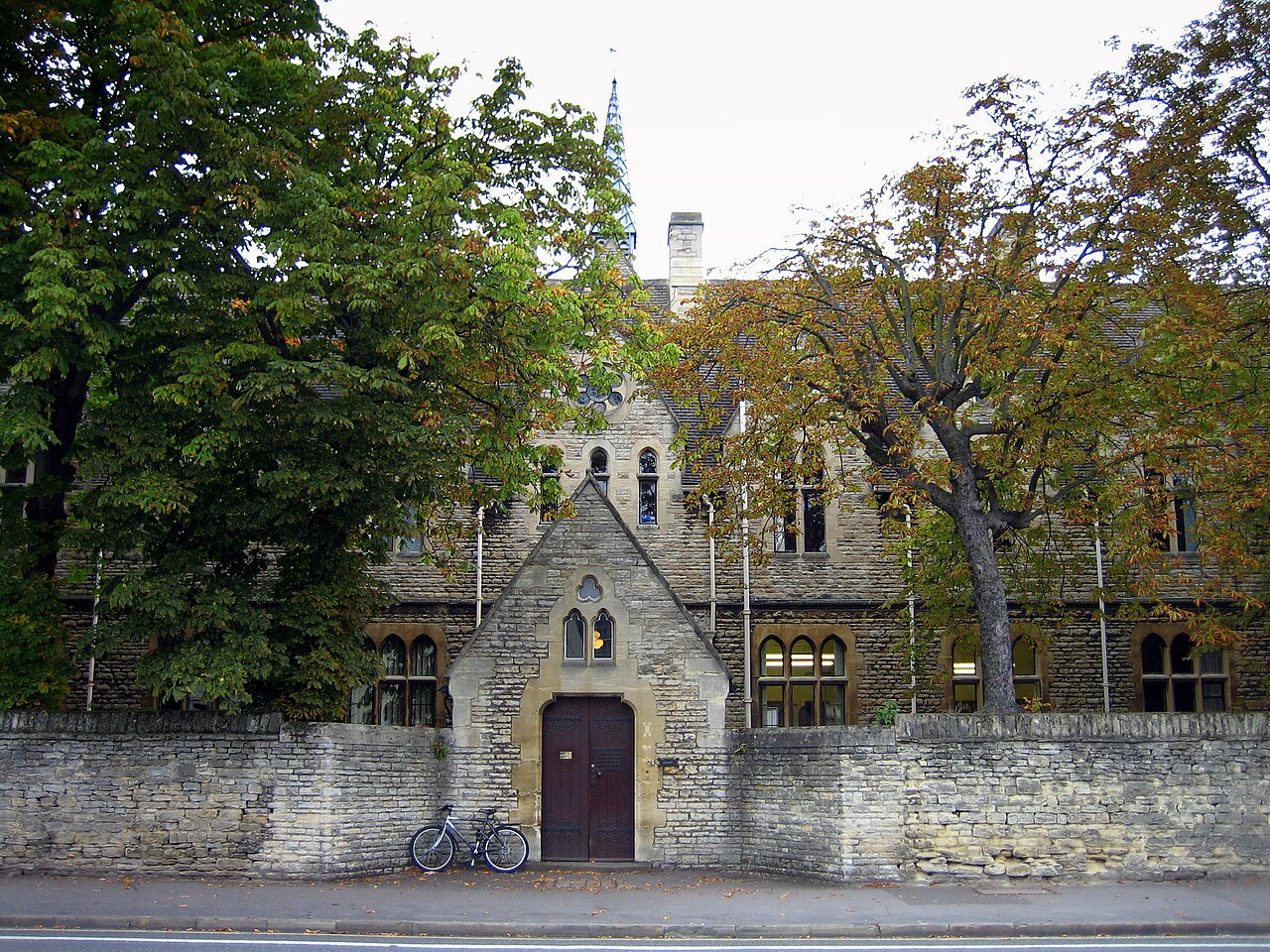




Academic focus and centres
The college has developed a distinctive profile around area studies and international affairs. Its academic life is organised around several interdisciplinary research centres and programmes that concentrate on particular regions and global themes. Typical areas associated with the college include:
- Middle East studies
- Russian and East European studies
- Latin American studies
- African studies
- South Asian studies and European studies
History and development
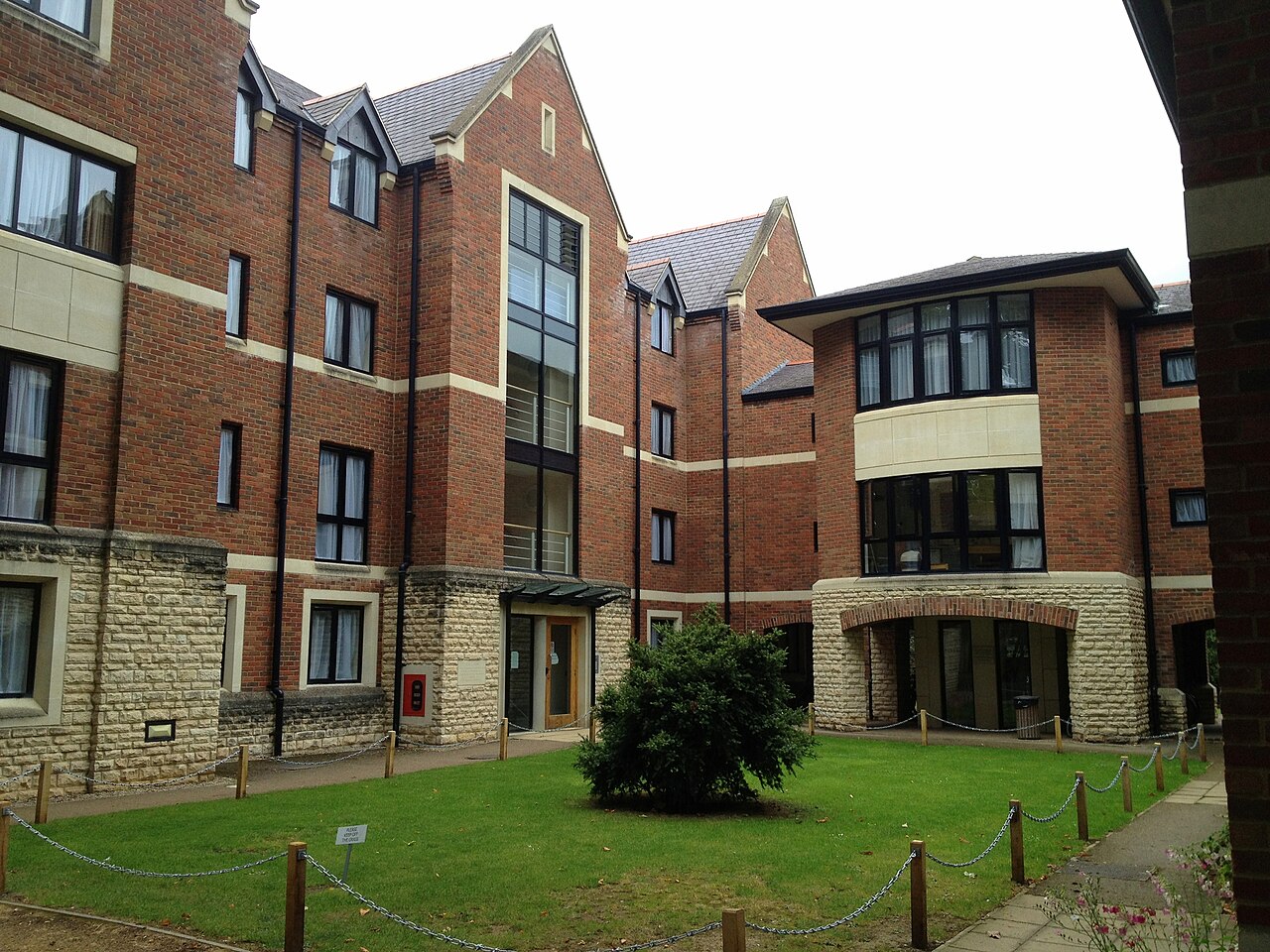
Established in the aftermath of the Second World War, the college grew from a small institute into a major hub for scholars working on political, social and economic problems across continents. Its site combines converted nineteenth-century houses and later purpose-built accommodation and seminar space, reflecting steady institutional expansion.
Student life and governance
As a postgraduate community, St Antony's places emphasis on research seminars, visiting fellows and interdisciplinary discussion. The college supports specialist libraries and archives, regular lecture series, and communal facilities for study and social life. Governance is typical of Oxford colleges: academic fellows, elected officers and postgraduate representatives participate in decision-making.
Significance and distinctions
St Antony's reputation rests on the depth of its regional expertise and its international composition. The college frequently hosts diplomats, policy specialists and scholars in residence, fostering links between academic research and public policy. Prospective students and visitors can find further information via the University pages at University of Oxford.
Admissions and opportunities
Admission is competitive and aimed at master's and doctoral candidates as well as established researchers. The college offers scholarships, fellowships and visiting positions that support focused research and promote exchange across disciplines and borders.
Author
AlegsaOnline.com St Antony's College, University of Oxford Leandro Alegsa
URL: https://en.alegsaonline.com/art/146239