
Stanley N. Cohen — pioneer of recombinant DNA and genetic engineering
American geneticist Stanley N. Cohen (b. 1935) helped invent recombinant DNA techniques with Herbert Boyer, enabling gene cloning and launching modern biotechnology and molecular genetics.
Stanley Norman Cohen (born February 17, 1935) is an American geneticist best known for his foundational contributions to recombinant DNA technology. During his career at the Stanford University School of Medicine he served as the Kwoh‑Ting Li Professor and worked on methods that made it possible to transfer genes between organisms. In collaboration with Herbert Boyer, Cohen helped demonstrate the practical transfer and propagation of genetic material in bacteria.
Image gallery
3 Images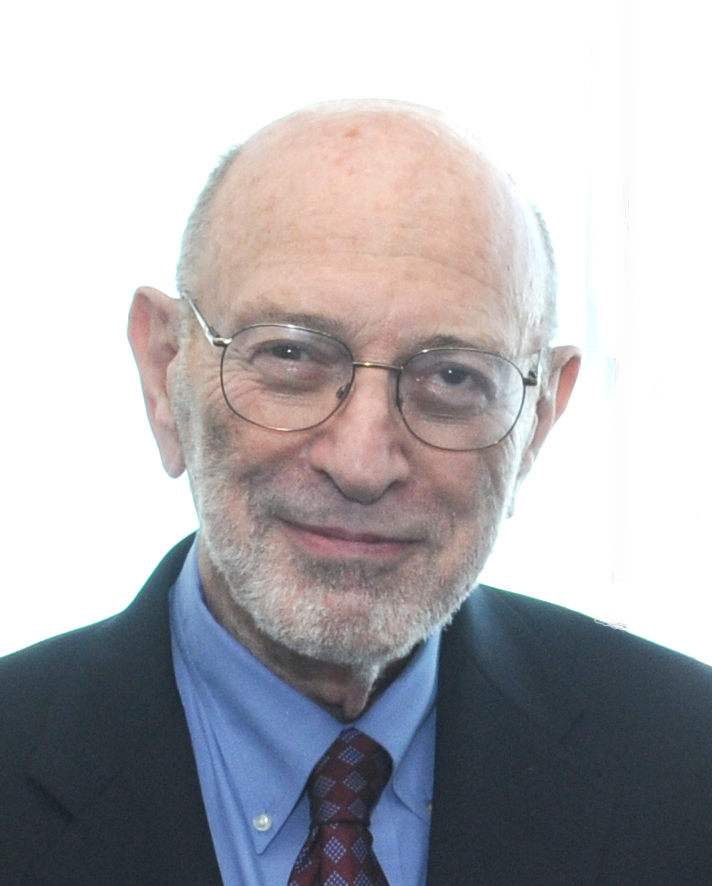


Key experiments and methods
In the early 1970s Cohen and collaborators showed how small, circular DNA molecules called plasmids could be cut with restriction enzymes, joined with DNA ligase and introduced into Escherichia coli, where they would replicate. This set of laboratory techniques—often called gene cloning or recombinant DNA—allows a specific DNA fragment to be amplified, propagated and manipulated outside of its original organism. Their work transformed plasmids into versatile vectors for moving genetic information across species boundaries.
Major contributions
- Demonstration of plasmid-based gene transfer and propagation in bacteria.
- Development and refinement of cloning vectors and selection markers used in molecular biology.
- Establishing practical workflows—restriction digestion, ligation, transformation—that remain central to cloning.
These practical advances gave researchers tools to isolate genes, determine their sequences, express proteins in heterologous hosts and build libraries of genetic material for study. The methods are described in widely cited early publications and have been adapted into many commercial and academic protocols.
Impact, uses and broader effects
Recombinant DNA techniques paved the way for major developments in medicine, agriculture and basic research. Recombinant proteins such as human insulin and growth factors, DNA probes, genetically modified crops and many modern diagnostics trace their origins to the ability to clone and express genes. The work also catalyzed the rise of the biotechnology industry and changed how universities and companies approach intellectual property and commercialization.
At the same time, Cohen’s work prompted public discussion about laboratory safety, ethical limits and regulation; the scientific community responded with voluntary guidelines and later formal frameworks aimed at balancing innovation and safety. Cohen collaborated with colleagues including Herbert Boyer and spent much of his career at Stanford University, receiving broad recognition from the scientific community for his role in creating tools that underpin modern molecular biology.
Author
AlegsaOnline.com Stanley N. Cohen — pioneer of recombinant DNA and genetic engineering Leandro Alegsa
URL: https://en.alegsaonline.com/art/146105