
Broadwater Farm (Tottenham housing estate)
Broadwater Farm is a council housing estate in Tottenham, North London, known for its postwar design, diverse community of around 3,800–4,000 residents, and the 1985 unrest that led to major regeneration efforts.
Overview
Broadwater Farm is a residential housing estate in the Tottenham area of Tottenham, in North London. Often shortened to "The Farm," it was built as part of postwar public housing programmes and has a concentrated population of several thousand people living in a mix of tower blocks and lower-rise buildings. The estate has attracted attention for its distinctive layout, its multicultural population and for events in the 1980s that shaped both local life and wider policy on social housing in the UK.
Image gallery
10 Images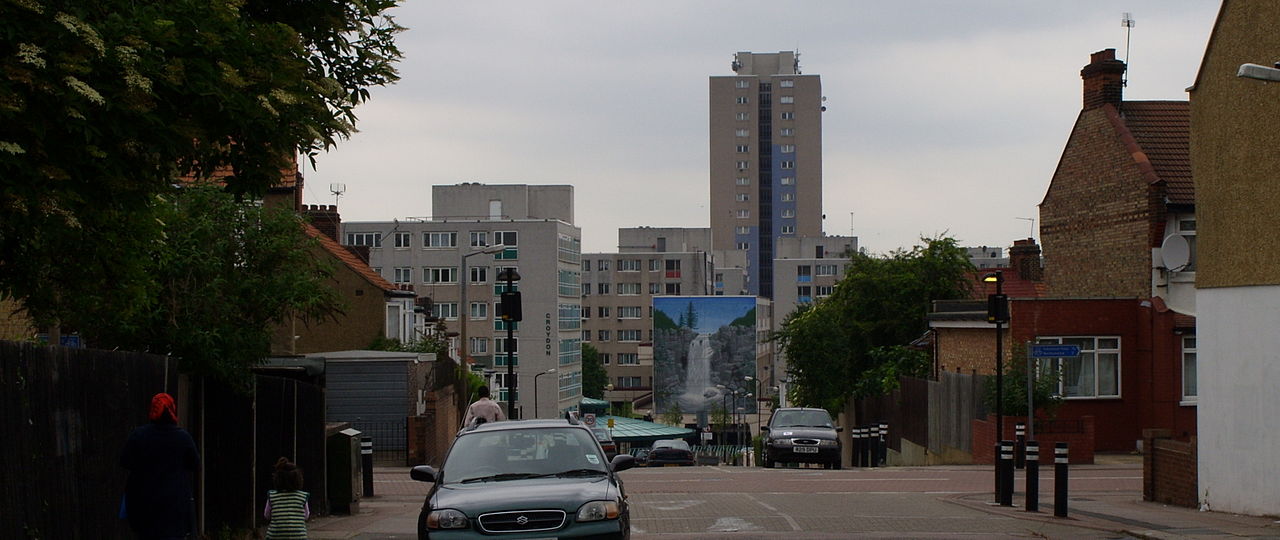


Design and physical characteristics
The estate was constructed with a late modernist approach common to that period, featuring deck-access walkways, multiple high-rise blocks and communal open spaces. A central green area historically known as the Paddock links different parts of the estate. The arrangement aimed to create shared circulation and communal areas but also drew criticism over safety and maintenance issues that emerged over time.
History and redevelopment
Broadwater Farm underwent a turning point in the mid-1980s when serious disturbances occurred. The unrest prompted national scrutiny of policing, housing design and social services. In the years that followed, local and municipal authorities, together with community groups, pursued extensive regeneration: repairs and alterations to the built environment, improved lighting and security, changes in estate management and investment in community facilities. These interventions sought to address problems identified during earlier decades and to improve quality of life for residents.
Community and demographics
The estate is home to roughly 3,800–4,000 residents. A majority of households are from ethnic minority backgrounds, and many languages are spoken by people who live there; local reports have noted dozens of different mother tongues among residents. Community organisations, youth projects, tenants' associations and faith groups play a central role in everyday life, offering services, cultural activities and advocacy.
Notable aspects and legacy
- Broadwater Farm is frequently cited in discussions about the relationship between estate design and social outcomes, and about policing in urban communities.
- The estate has undergone visible regeneration and benefits from a number of grassroots initiatives intended to improve education, employment and safety for local people.
- Its reputation has been complex: while widely known for past unrest, many residents and observers point to strong community resilience and ongoing efforts to change public perceptions.
For more general background on the area, see resources connected to Tottenham and to the broader context of North London. Broadwater Farm remains an important case study for planners, sociologists and policy makers interested in public housing, community development and urban regeneration.
Questions and answers
Q: Where is Broadwater Farm located?
A: Broadwater Farm is located in Tottenham, North London.
Q: What is Broadwater Farm also known as?
A: Broadwater Farm is also known as "The Farm".
Q: How many people live in Broadwater Farm?
A: Between 3800 and 4000 people live in Broadwater Farm.
Q: What happened in Broadwater Farm in 1985?
A: In 1985, there was a riot that occurred in Broadwater Farm.
Q: Did the riot affect the population of Broadwater Farm?
A: Yes, after the riot, some people left Broadwater Farm.
Q: What percentage of people in Broadwater Farm are from ethnic minorities?
A: About 70% of the people who live in Broadwater Farm are from ethnic minorities.
Q: How many languages are spoken in Broadwater Farm?
A: 39 languages are spoken in Broadwater Farm.
Tags
Related articles
Author
AlegsaOnline.com Broadwater Farm (Tottenham housing estate) Leandro Alegsa
URL: https://en.alegsaonline.com/art/14609
Sources
- christianwolmar.co.uk : "Broadwater Revisited - Christian Wolmar"
- news.bbc.co.uk : "Transforming Broadwater Farm"