
St. George's, Grenada
St. George's is the colorful capital city of Grenada, known for its horseshoe harbor, colonial architecture, spice trade heritage, and role as the island's primary port and tourist center.
Overview
St. George's is the principal city and administrative center of Grenada. Perched around a distinctive horseshoe-shaped harbor on the island's western coast, the city combines a working port, a waterfront market area and residential neighborhoods. As the country's capital, it houses government offices and many cultural institutions, and it serves as a main gateway for visitors arriving by sea and air.
Image gallery
10 Images




Geography and urban character
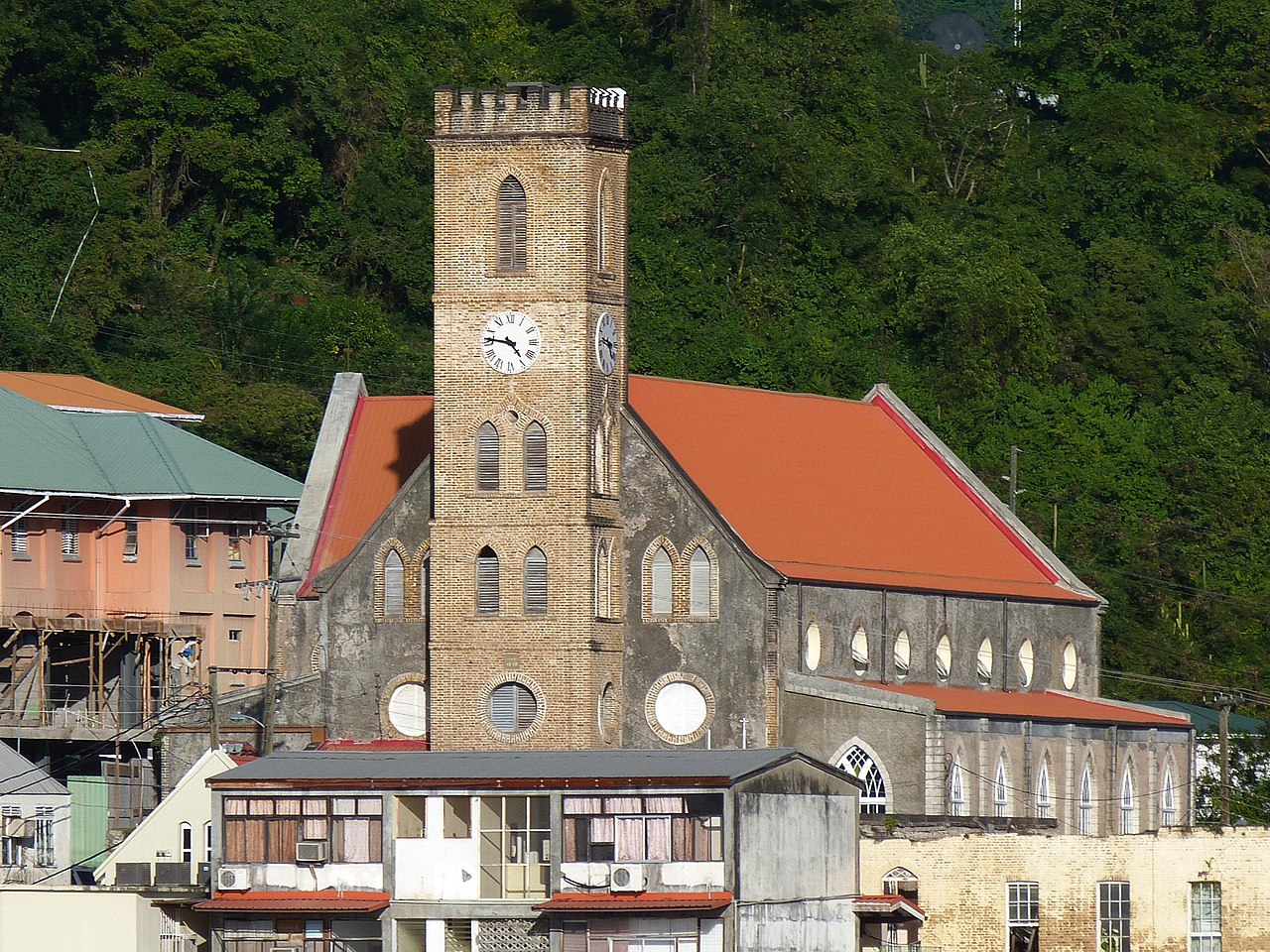
The city is built on undulating terrain that slopes down to a sheltered bay. Narrow streets and steep lanes give way to open waterfronts and squares. The shoreline Carenage area functions as a marina and marketfront, while nearby beaches and bays attract swimmers and boaters. The surrounding hills provide lookout points with views over the harbor and into the Caribbean Sea.
History and development
Founded during the colonial era, the town developed around its harbor and changed hands between European powers before becoming part of modern Grenada. Its port and defensive works were important in commerce and island governance. Over time St. George's evolved from a colonial trading post into a 20th‑century urban center focused on administration, services and tourism.
Economy, culture and institutions
The city's economy mixes public administration, shipping and tourism, supported by local trade in spices such as nutmeg and mace, for which the island is well known. Cultural life includes markets, religious buildings, festivals and a nearby international university campus that draws students and professionals from abroad. Annual street celebrations and Carnival events highlight music, dance and local cuisine.
Notable places
- Historic waterfront and Carenage, a focal point for shops and boats.
- Prominent hilltop forts and lookouts that stand above the harbor.
- Local markets and public squares where spices, crafts and produce are traded.
- Nearby beaches and resorts that support the island's visitor economy.
Visitors and scholars alike value St. George's for its scenic harbor, colonial-era buildings, and role as the cultural and economic heart of a nation often called the "Spice Isle." For practical visitor information, transport links and civic services, consult official resources and local guides before travel.
Author
AlegsaOnline.com St. George's, Grenada Leandro Alegsa
URL: https://en.alegsaonline.com/art/146030