
St. Albans (city), Vermont
St. Albans City is the county seat of Franklin County in northwestern Vermont. Known for a historic downtown, 19th‑century rail heritage, proximity to the Canadian border and the annual Maple Festival.
St. Albans City is a small New England municipality in northwestern Vermont that serves as the county seat of Franklin County. Located near the eastern shore of Lake Champlain and a short distance from the Canada–United States border, the city functions as a regional center for government, commerce and services in a largely rural area.
Image gallery
5 Images



Overview and demographics
As a compact city, St. Albans has a population measured in the single thousands; at the 2010 census the figure was recorded as 6,918. The urban area is distinct from the surrounding Town of St. Albans, a separate municipal entity that encompasses more suburban and agricultural land. The city contains municipal offices, the county courthouse and a concentration of retail and professional services that serve Franklin County and nearby communities.
History and heritage
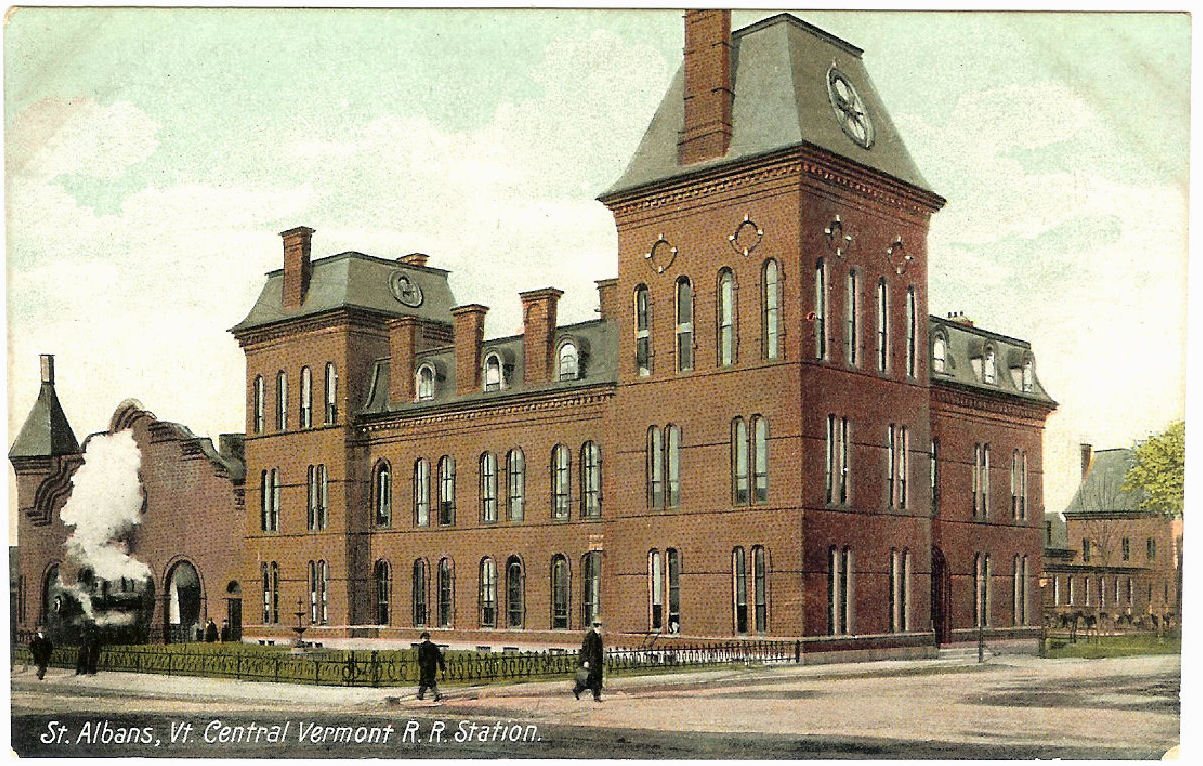
St. Albans developed in the 19th century as a market and transportation hub. The arrival of railroads transformed it into an important junction for freight and passenger service in northern New England, leaving a legacy of brick commercial blocks and railroad-related buildings in the downtown. A notable historical episode is the 1864 St. Albans Raid, an attack launched from across the border during the American Civil War that remains a distinctive part of local memory.
Economy, culture and landmarks
The local economy combines government, small manufacturing, retail, and services for the agricultural communities around the city. St. Albans hosts community events that reflect regional traditions, including an annual maple festival celebrating syrup production. Historic sites and downtown architecture draw visitors, and the city acts as a gateway for recreational opportunities on Lake Champlain and nearby green landscapes.
Distinctive facts and administration
St. Albans is the administrative center of Franklin County (county government) and is situated within the state of Vermont (Vermont). Its municipal status and close relationship with the surrounding town are a good example of New England’s multiple, adjoining municipal forms. The city’s compact core, courthouse, and transportation history make it an important local hub despite its modest population.
- Regional role: county seat and service center
- Historic note: 19th‑century rail center and Civil War era raid
- Events: community festivals tied to agricultural traditions
Author
AlegsaOnline.com St. Albans (city), Vermont Leandro Alegsa
URL: https://en.alegsaonline.com/art/146003