
Roaring Forties
Persistent, strong westerly winds found in the Southern Hemisphere between about 40° and 50° latitude that shape weather, seas, sailing routes and regional climates.
Overview
The Roaring Forties are a band of strong, predominantly westerly winds that circle the globe in the Southern Hemisphere between roughly 40° and 50° south. They are driven by the large-scale circulation of the atmosphere and reinforced by a relative lack of landmasses at these latitudes, which allows winds to build strength over long stretches of open ocean.
Image gallery
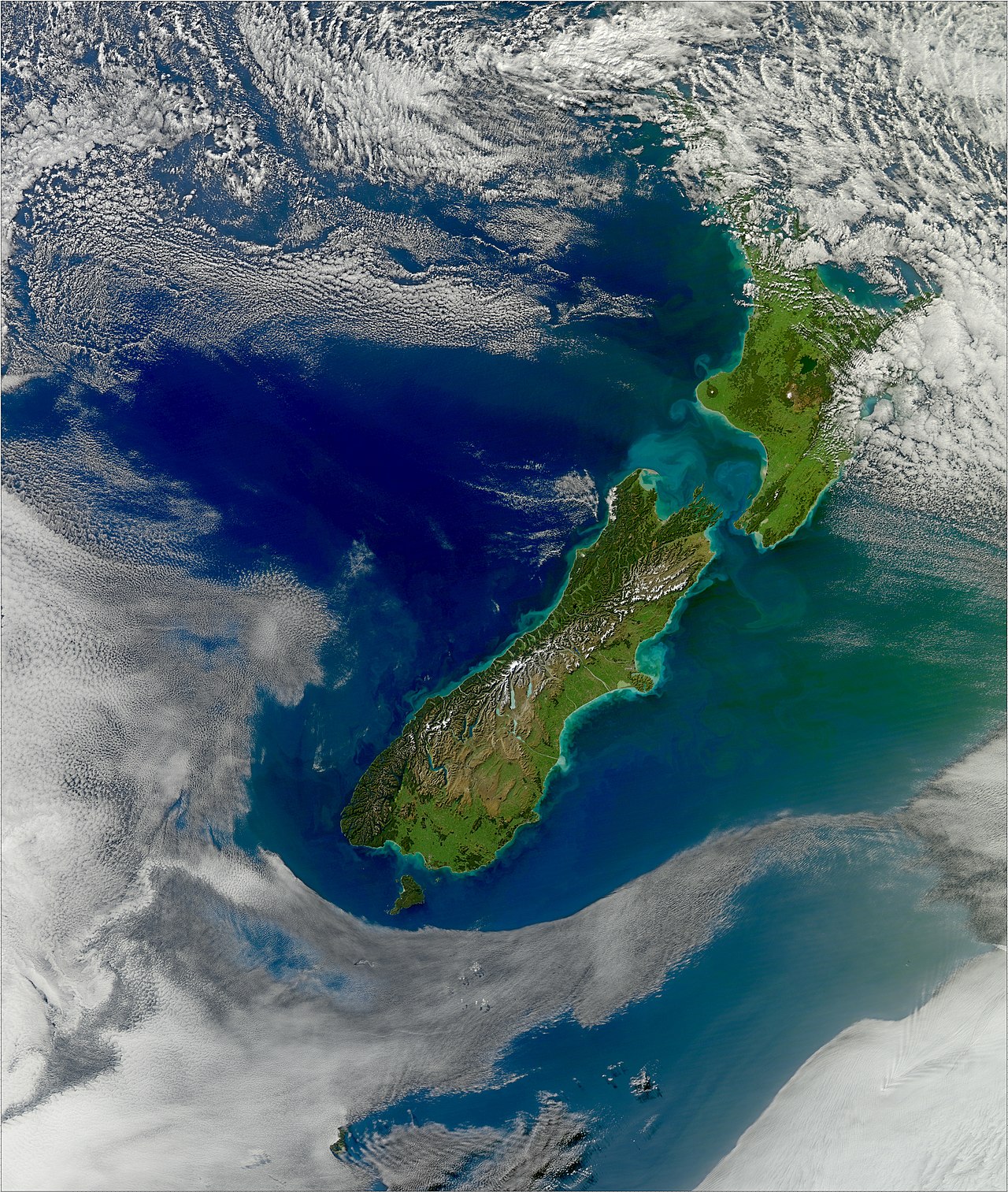
5 Images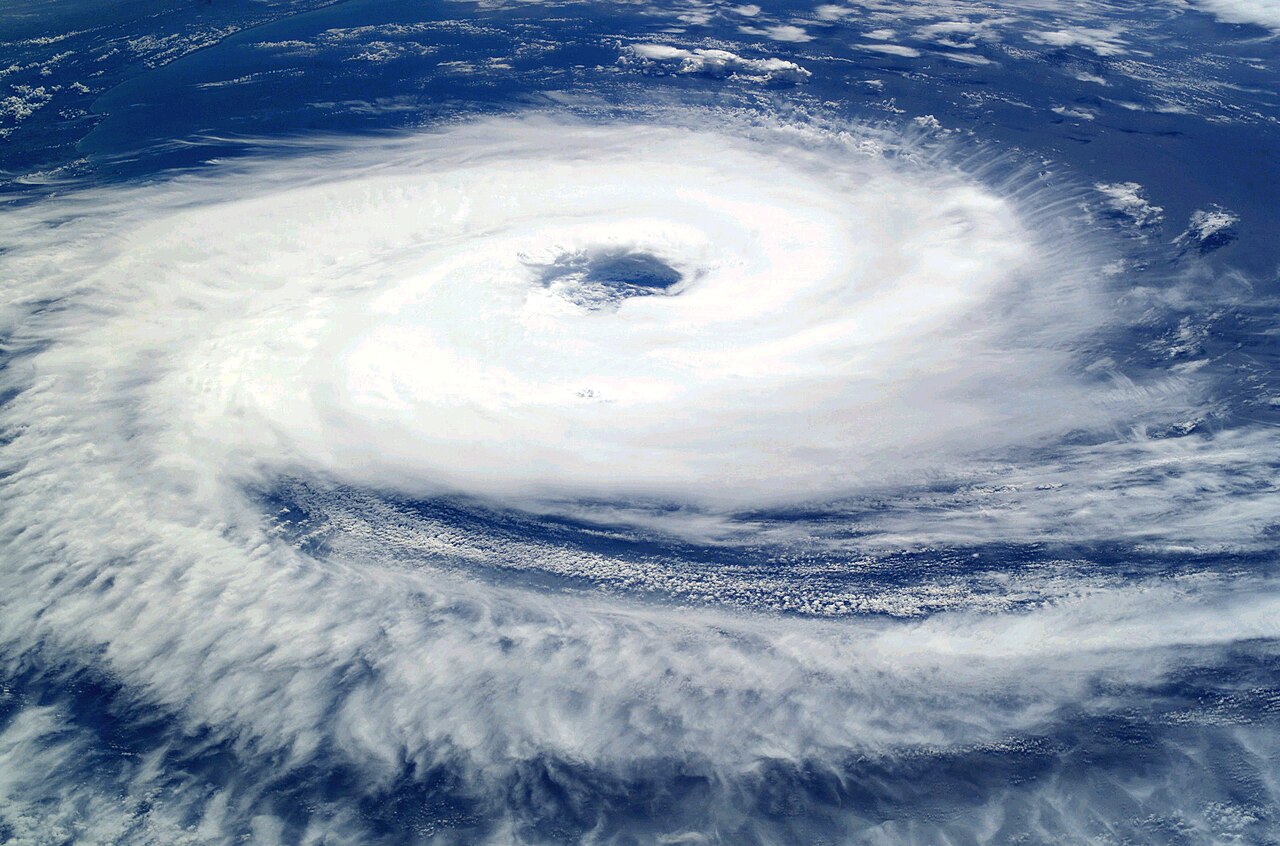


Characteristics and causes
These winds tend to be persistent and brisk, especially during the hemisphere's winter months. They result from the interplay of the Ferrel cell, mid-latitude pressure systems, and the Coriolis effect, which together steer airflow from west to east. Because the Southern Ocean is largely uninterrupted by continents in this zone, the winds can generate long fetches that produce high waves and strong swells.
Historical importance
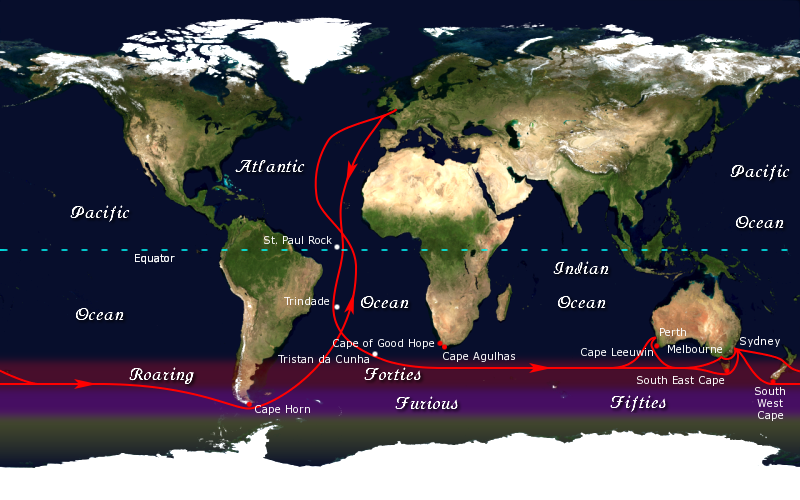
From the Age of Sail onward, mariners exploited the Roaring Forties to shorten passages between Europe and the southern continents. Fast sailing routes to Australia and New Zealand, and the clipper ship era, relied on these westerlies for speed. At the same time the same conditions have posed hazards: powerful storms, steep seas and challenging navigation around isolated capes.
Impacts and uses
The Roaring Forties affect modern shipping lanes, round-the-world yacht races, and weather systems. They help steer storm tracks and influence ocean currents such as the broader Antarctic Circumpolar Current, contributing to the transfer of heat and momentum across southern oceans. Coastal climates of southern continents often reflect the maritime influence carried by these winds.
Related terms and notable facts
- Often contrasted with the "Furious Fifties" (roughly 50°–60°S) and the "Screaming Sixties" further south, which are associated with even stronger winds and seas.
- The Northern Hemisphere does not have an exact counterpart because wider continental areas disrupt the flow of westerlies there.
- While useful for fast passages, the Roaring Forties remain a hazard: heavy weather, icing in cold conditions, and large waves demand caution from mariners.
The Roaring Forties are therefore a fundamental element of southern-hemisphere meteorology and maritime history, shaping ecosystems, climate patterns and human activity across vast oceanic regions.
Author
AlegsaOnline.com Roaring Forties Leandro Alegsa
URL: https://en.alegsaonline.com/art/144915