
Respect (song)
Soul song written by Otis Redding (1965), famously reinterpreted by Aretha Franklin (1967). Franklin's version reshaped lyrics and arrangement, becoming a cultural anthem and signature hit.
Respect began as a 1965 composition by American singer-songwriter Otis Redding. Redding’s original recording framed the request for respect from a man returning to his partner. Two years later the song was radically reworked by Aretha Franklin, whose 1967 interpretation transformed it into an assertive demand from a woman’s point of view and turned the tune into a defining record in modern soul music.
Image gallery
1 Image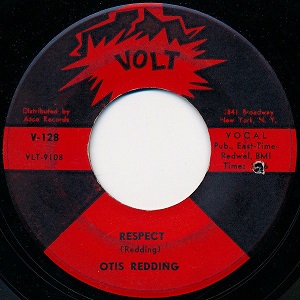
Musical and lyrical changes
Franklin’s arrangement keeps the core melody and structure of Redding’s composition but introduces distinctive elements: a spelled-out chorus (“R‑E‑S‑P‑E‑C‑T”), prominent piano figures, punchy horns and call-and-response backing vocals. The addition of the chorus hook and the shouted answers — the now-famous “sock it to me” lines — create a sharper, more declarative groove than the original, shifting emphasis from plea to demand.
Recording and contributors
The cover was produced within the Atlantic Records era that shaped late-1960s soul recordings and features Franklin’s powerful lead vocal and piano work plus strong gospel-rooted backing voices. The backing parts and arrangement choices, credited to Franklin and her collaborators, emphasize communal response and give the song its memorable, singalong character. Contemporary accounts note the role of seasoned session singers and gospel-influenced choruses in shaping the record’s sound; several of those singers are highlighted in histories of Franklin’s career, including mentions of backup vocalists who contributed to its distinct call-and-response energy.
Meaning and cultural impact
While the lyrics remain concise and direct, the change in narrator made Franklin’s version resonate beyond a romantic context. Listeners and cultural commentators have long associated the song with broader struggles for dignity and equality: it became an anthem for personal empowerment and was embraced by elements of the civil rights and women’s movements. Its succinct message — insistence on respect as a basic human demand — helped the record cross musical and social boundaries.
Reception and legacy
Aretha Franklin’s recording was an immediate commercial success and is widely regarded as her signature track. It has been celebrated by critics, frequently appears on lists of influential popular songs, and is a staple in retrospectives of 20th-century American music. Otis Redding’s original version remains important as a classic soul composition, often cited when discussing how covers can reinterpret and expand a song’s meaning.
- Distinctive features: spelled chorus, call-and-response, gospel-inflected vocals
- Interpretive shift: male plea (original) → female demand (cover)
- Enduring uses: radio, film soundtracks, live performances and social commentary
Author
AlegsaOnline.com Respect (song) Leandro Alegsa
URL: https://en.alegsaonline.com/art/144761