
Radio Days (1987 film)
Radio Days is Woody Allen's 1987 comedy‑drama that nostalgically recalls the golden age of American radio through episodic vignettes and a large ensemble cast; it received two Academy Award nominations.
Overview
Radio Days is a 1987 comedy‑drama written and directed by Woody Allen, who also provides the film's reflective narrator. The movie offers a warm, humorous portrait of American life in the 1930s and 1940s seen through the lens of radio entertainment — the programs, personalities and cultural rituals that shaped family evenings and civic imagination before television became dominant.
Image gallery
1 Image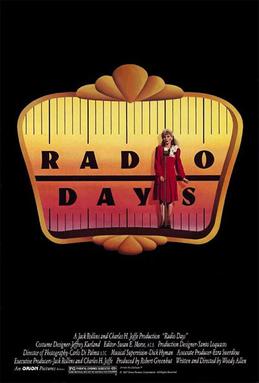
Style, structure and themes
Rather than following a single linear plot, the film is composed of interlocking vignettes and memories centered on a young boy coming of age. It blends comic set pieces with quieter moments of nostalgia, using voiceover, period music and careful sound editing to recreate the experience of listening to radio dramas, comedies and news reports. Key themes include memory and nostalgia, the role of mass media in everyday life, and the ways families interpret popular culture.
Production and release
The picture was distributed by Orion Pictures and premiered in 1987. It attracted praise for its affectionate period detail and sound design, and it was nominated for two Academy Awards in 1988. Critics often noted the film's gentle tone and the ensemble performances that populate its episodic narrative.
Principal cast
- Woody Allen — narrator and small role
- Danny Aiello
- Dianne Wiest
- Hy Anzell
- Seth Green
- Jeff Daniels
- Larry David
- Mia Farrow
- Todd Field
- Wallace Shawn
- Diane Keaton
- Julie Kavner
- Kenneth Walsh
- Rebecca Schaeffer
Significance and notable facts
Radio Days stands out among nostalgic films for its specific focus on radio as a formative mass medium. It is often cited as one of Woody Allen's more affectionate and accessible works, notable for an ensemble cast and a tone that mixes comedy with bittersweet reminiscence. The film's episodic form and attention to sound make it a useful cultural record of how radio programming functioned in everyday American life during the mid‑20th century.
For viewers and students of film, Radio Days provides an example of how personal memory can be organized cinematically: intimate anecdotes are framed within larger cultural moments, and humor is used to soften reflection on change. The movie remains of interest both as entertainment and as a period piece documenting radio's place in U.S. social history.
Author
AlegsaOnline.com Radio Days (1987 film) Leandro Alegsa
URL: https://en.alegsaonline.com/art/144608