
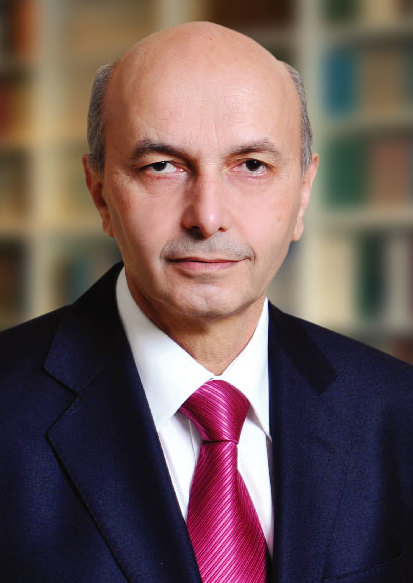
Prime Minister of Kosovo
Head of government in Kosovo: role, powers, appointment, history since UN administration and 2008 independence, political context, duties, and relationship with the Assembly and President.
The Prime Minister of Kosovo is the head of government, responsible for directing executive policy and managing the Council of Ministers. The office is known in Albanian as Kryeministri i Republikës së Kosovës and in Serbian as Премијер Републике Косово. The prime minister leads the cabinet, represents the government in the Assembly and abroad, and coordinates the work of ministries.
Image gallery
10 Images




Role and main responsibilities
The prime minister sets government priorities, proposes legislation and the annual budget, and oversees public administration. Typical duties include:
- Forming and chairing the Council of Ministers and appointing ministers (subject to legislative approval).
- Implementing laws passed by the Assembly and managing day-to-day governance.
- Coordinating domestic policy areas such as the economy, education, and public services.
- Representing the government in foreign affairs alongside the President, especially on matters tied to Kosovo's international status.
Appointment and political context
Under Kosovo's parliamentary system the prime minister is typically the leader of the majority party or coalition in the Assembly. The candidate is proposed following parliamentary elections and, after securing a vote of confidence, is formally appointed to lead the government. Coalitions and alliances are common, so the office often reflects negotiated power-sharing arrangements and coalition agreements.
History and significance
The contemporary role developed through Kosovo's transition from international administration to self-governance. After a period under United Nations administration, Kosovo declared independence in 2008; the office of prime minister has since been central to domestic state‑building, policy development, and efforts toward European integration. Because Kosovo's international recognition is not universal, prime ministers often balance internal priorities with international diplomacy and recognition efforts.
Notable features and distinctions
The prime minister operates within a system designed to accommodate Kosovo's multiethnic population and the Assembly's plural politics. The office interacts closely with the President and judiciary while remaining accountable to the legislature. For more information on the government's structure see Government and for context about the country see Kosovo.
Author
AlegsaOnline.com Prime Minister of Kosovo Leandro Alegsa
URL: https://en.alegsaonline.com/art/144456
Sources
- balkaneu.com : "Kosovo's PM is the highest paid in the region"