
President of Yemen
The President of Yemen is the country's head of state, Supreme Commander of its armed forces, and a central figure in Yemen's constitutional system and contemporary political divisions.
Overview
The President of the Republic of Yemen is the nation’s head of state and the Supreme Commander of the armed forces. The office occupies the highest symbolic and constitutional place in Yemen’s government and is formally linked to the executive branch. For general reference about the presidency as an institution, see the office page: Presidential office. The country governed by this office is Yemen: Yemen.
Image gallery
4 Images

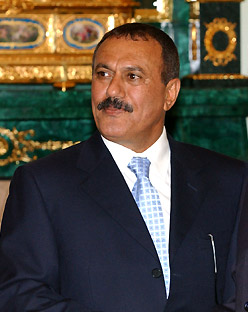

Powers and responsibilities
By constitution and practice the president has a range of authorities that can include appointing senior officials, directing national defense, and representing the state abroad. Common responsibilities include:
- Command authority over the armed forces as Supreme Commander;
- Appointment and removal of senior ministers and diplomatic envoys;
- Issuing decrees, shaping national policy together with the cabinet;
- Declaring states of emergency and promulgating laws subject to constitutional limits.
These functions are exercised within the framework of the executive branch and the broader constitutional order, though actual practice can vary with political conditions.
Selection and tenure
The president is normally chosen under rules set out in Yemen’s constitution and related laws, which provide procedures for election, succession and temporary transfer of powers. In cases of vacancy, a vice‑presidential figure or other designated official may assume duties until the situation is resolved. The exact timing and mechanism for selection have been shaped by political developments and agreements over time.
History and contemporary context
The role has evolved through Yemen’s modern history, including the 1990 unification of the north and south and subsequent political transitions. Long‑term incumbency and popular uprisings have both influenced the institution. In the 2010s Yemen experienced armed conflict and competing claims to authority, which affected where and how presidential powers were exercised and led to parallel authorities in parts of the country.
Importance and distinctions
The presidency differs from the head of government (the prime minister) in being the principal state representative and military commander, while day‑to‑day administration is typically led by the government. Because Yemen’s political landscape has been fragmented at times, the reach of the presidency can be limited by local forces, rival administrations, and international diplomacy.
For further institutional context and related offices, consult the linked references above: presidential office, the country overview, and executive branch.
Author
AlegsaOnline.com President of Yemen Leandro Alegsa
URL: https://en.alegsaonline.com/art/144442
Sources
- marebpress.net : "مأرب برس - راتب الرئيس ونائبة والوزراء بعد الإستراتيجية"