
Pushpa Kamal Dahal (Prachanda) — Nepalese political leader
Pushpa Kamal Dahal, known as Prachanda, is a Nepalese communist leader who led the Maoist insurgency, played a central role in ending the monarchy, and has served multiple terms as Prime Minister.
Overview
Pushpa Kamal Dahal, widely known by his nom de guerre Prachanda (literally "fierce"), is a prominent figure in modern Nepalese politics. Born in 1954, he rose from regional political activism to become the leader of the Communist Party of Nepal (Maoist) and a principal actor in the decade-long armed conflict that reshaped the country. For fuller biographical detail see biographical resources.
Image gallery
4 Images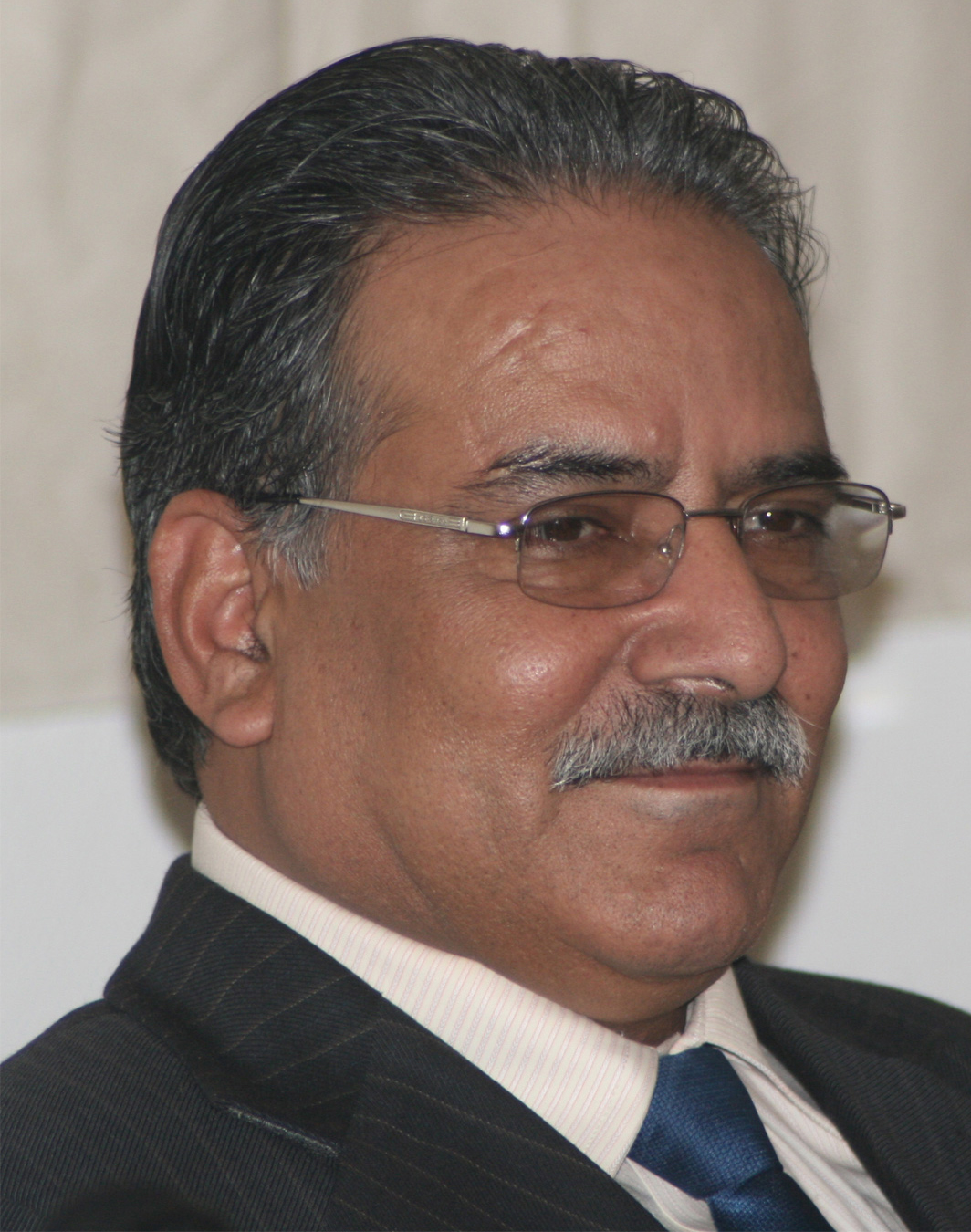


Political rise and role in the insurgency
As chairman of the Maoist movement, Dahal led an insurgency launched in the mid-1990s aimed at overthrowing what its leaders described as feudal and unjust structures. The conflict, often called the Nepalese Civil War, combined guerrilla warfare in rural areas with parallel political organizing. Negotiations and a ceasefire eventually produced a peace process that moved the movement from armed struggle into mainstream politics. A useful timeline of those events is available at key events and agreements.
Government leadership and constitutional change
Following the peace accords and subsequent elections, Dahal and his party entered parliamentary politics. He has served as head of government on multiple occasions, most notably after the 2008 constituent assembly election that contributed to the abolition of the monarchy and the declaration of Nepal as a republic. His terms in office focused on integrating former combatants, institutional reform, and social and land issues while navigating complex coalition politics.
Ideology, organization and influence
Dahal's political outlook combines elements of Maoist revolutionary strategy with pragmatic engagement in electoral democracy. His leadership shaped the organization often identified as the CPN (Maoist Centre) and, at times, broader communist alliances. Supporters credit him with mobilizing previously marginalized rural populations and forcing discussion of structural reform; critics question the methods used during the armed conflict and later political compromises.
Controversies and legacy
- Human rights concerns: Various reports documented abuses during the conflict years; these remain part of debates about accountability and reconciliation.
- Coalition politics: Dahal's governments have been marked by shifting alliances in Nepal's fragmented party system.
- Long-term impact: The abolition of the monarchy and the creation of a federal democratic republic are widely seen as durable outcomes in which his movement played a central role.
Significance
Pushpa Kamal Dahal is a polarizing but indisputably central figure in Nepal's recent history. His transition from insurgent leader to repeatedly serving prime minister illustrates both the depth of change in Nepal's political landscape and the challenges of reconciling revolutionary objectives with the compromises of democratic governance. For context on Nepal's political system and contemporary developments, consult general country resources at national and political overviews.
Author
AlegsaOnline.com Pushpa Kamal Dahal (Prachanda) — Nepalese political leader Leandro Alegsa
URL: https://en.alegsaonline.com/art/144415