
Olympic weightlifting
Olympic weightlifting is a competitive sport in which athletes attempt maximal single lifts of a loaded barbell in two techniques, the snatch and the clean and jerk, with winners decided by combined totals.
Overview
Olympic weightlifting, often called Olympic-style weightlifting or simply weightlifting, is a competitive sport in which athletes perform maximal single lifts of a barbell. The objective is to lift the greatest weight using one of two approved techniques: the snatch, and the clean and jerk. Competitors make three attempts at each lift; the highest successful lift in each is summed to create a combined total that determines rankings and medalists.
Image gallery
7 Images




Competition format and equipment
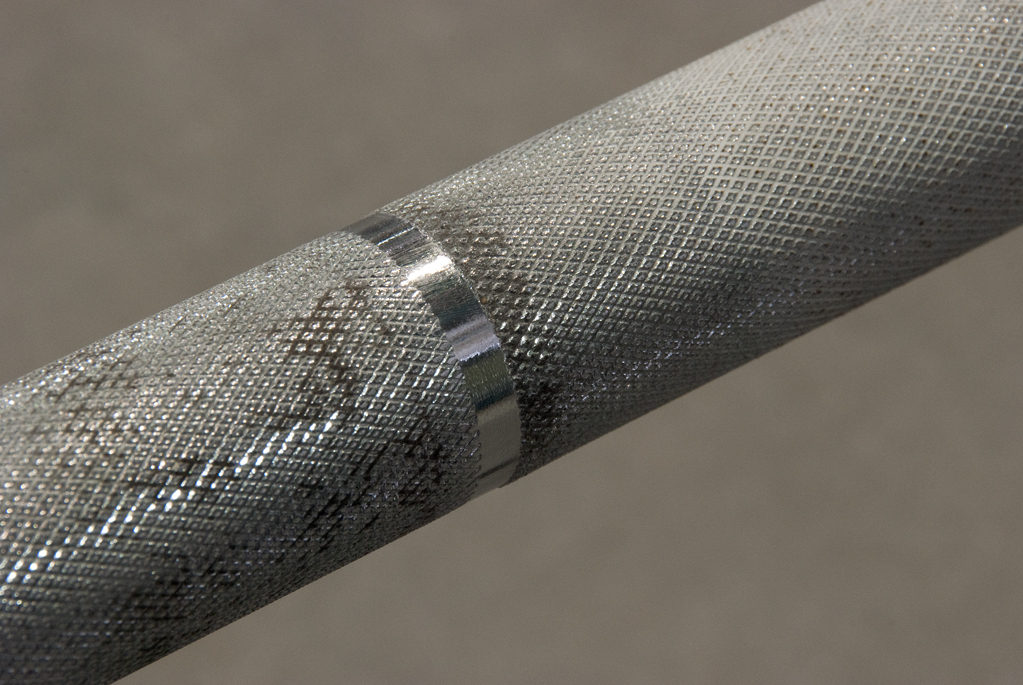
At sanctioned events, lifters compete in defined weight classes and follow strict rules enforced by judges. Equipment includes a calibrated barbell and bumper plates, a lifting platform, and supporting gear such as weightlifting shoes, a belt, and chalk. Judges signal the validity of attempts, and failed lifts may result from technical faults like press-out, loss of balance, or dropping the bar improperly.
History and governance
Modern Olympic weightlifting evolved from traditional strength contests and was included in the early modern Olympic Games. The sport is governed internationally by the International Weightlifting Federation (IWF), which oversees world championships, anti-doping policies, and weight class structures. Weight classes and records have been revised periodically to reflect fairness and evolving standards.
Training, uses, and importance
Beyond competition, Olympic weightlifting is valued in strength and conditioning because it develops explosive power, coordination, and full-body mobility. Many athletes in sports such as track and field, rugby, and football use variations of the snatch and clean to improve performance. Training focuses on technique, speed under load, and progressive strength development.
Distinctive features and differences
- Technical demand: Lifts require speed, balance, and precise timing as much as raw strength.
- Competition scoring: Best of three attempts per lift; combined total wins.
- Not the same as powerlifting: Powerlifting tests squat, bench press, and deadlift rather than the snatch and clean and jerk.
For official rules, event schedules, and national federations further information is available from governing bodies and resource sites such as the sport's primary organizations: official sources.
Author
AlegsaOnline.com Olympic weightlifting Leandro Alegsa
URL: https://en.alegsaonline.com/art/143658