
Olst-Wijhe: municipality in Overijssel, Netherlands
Olst-Wijhe is a rural municipality in Overijssel formed in 2001 from Olst and Wijhe. It spans Salland and the IJssel valley, featuring river landscapes, agriculture, recreation and small-town communities.
Overview
Olst-Wijhe is a municipality in the Dutch province of Overijssel. Formed on 1 January 2001 by the merger of the former municipalities of Olst and Wijhe, it comprises several small towns, villages and surrounding farmland. The municipality had an estimated population of about 18,000 people in 2021 and is characterised by a rural landscape shaped by the nearby river and traditional agricultural activity.
Image gallery
8 Images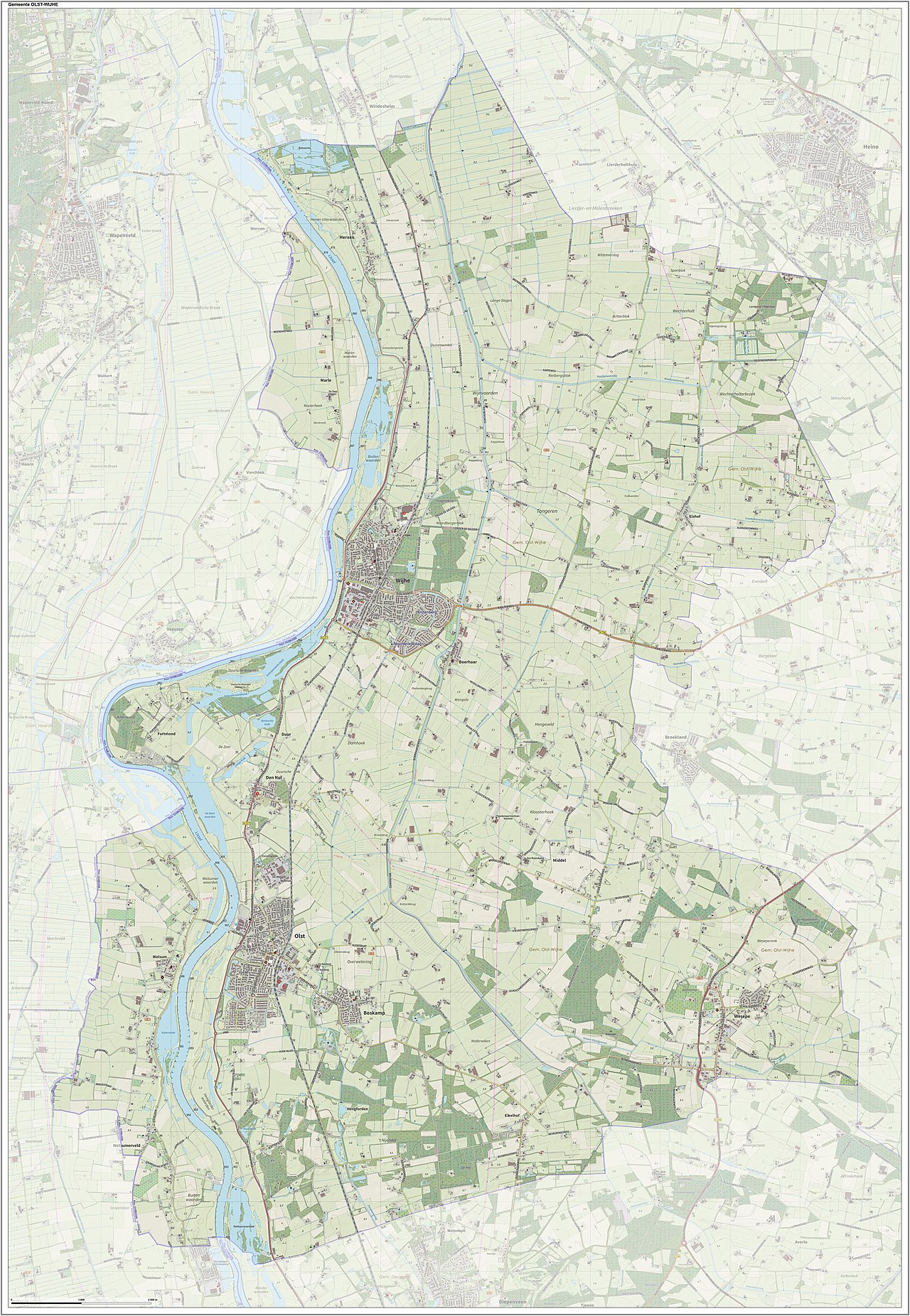




Geography and landscape
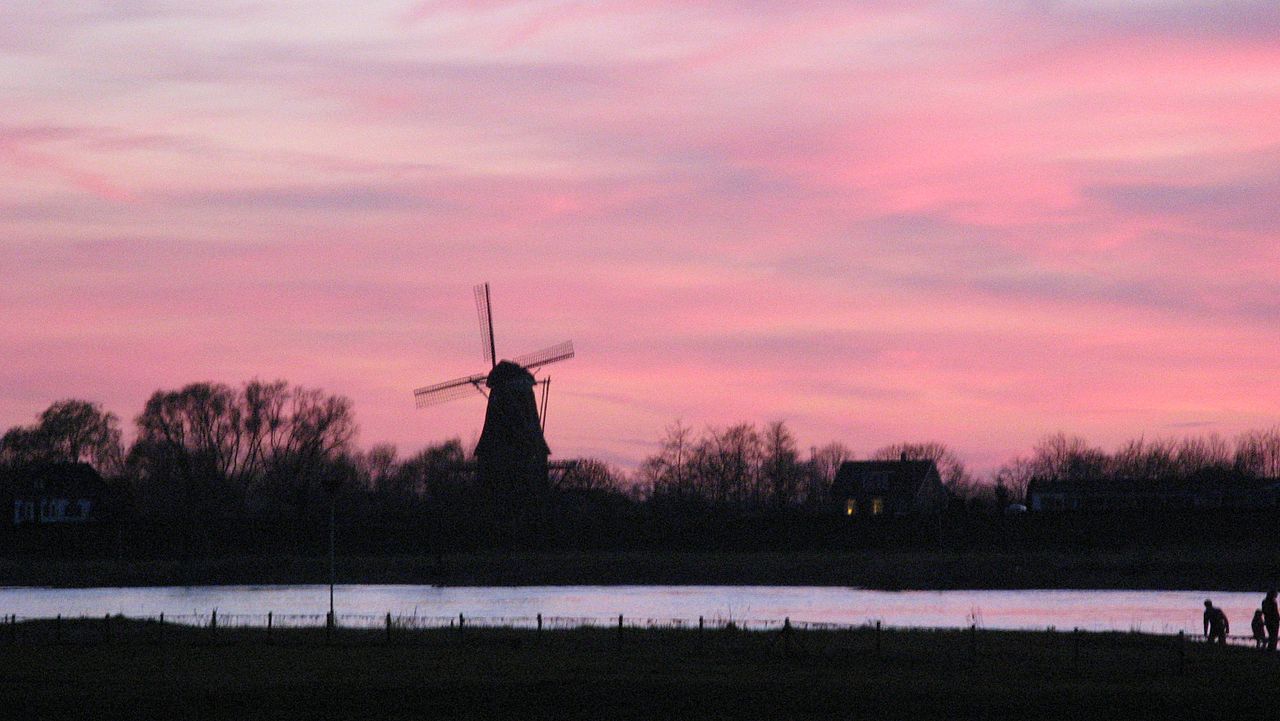
The municipality lies where the fertile IJssel river valley meets higher inland terrain. Much of the western boundary follows or is crossed by the IJssel river, creating river banks, floodplains and tributary waterways that have influenced settlement patterns and land use. Part of the area is associated with the historic region of Salland, while other parts belong to the broader IJsselvallei (IJssel valley) landscape. These surroundings support mixed agriculture, meadowlands, hedgerows and small pockets of woodland.
Settlements and local character
The municipality centres on the towns of Olst and Wijhe and includes a number of smaller villages and hamlets. Settlements are generally compact and oriented toward local services, community facilities and churches. The riverside location has historically encouraged small-scale trade and transport; today it also supports leisure activities such as boating and riverside walking.
History and administration
The modern municipal unit was established to streamline local governance and share services between neighbouring communities. Olst and Wijhe each retain distinctive local histories and heritage, reflected in village layouts, farms and historic buildings. Municipal government is responsible for spatial planning, infrastructure, environmental management and local community services.
Economy and land use
Agriculture remains an important land use, with arable fields, dairy and mixed farms occupying much of the landscape. Local economies are supported by small businesses, trades, shops and services that serve residents and visitors. There is a growing emphasis on sustainable land management, diversification and rural entrepreneurship to maintain local vitality.
Nature and recreation
The IJssel river and its floodplains provide habitats for waterfowl, fish and wetland plants and create opportunities for nature observation. Recreational amenities include cycling and walking routes, angling, small marinas and riverside picnic sites. Conservation efforts often balance agricultural use with habitat protection and flood safety measures.
Transport and services
Olst-Wijhe is linked to the surrounding region by a network of regional roads and public transport connections that provide access to larger towns in Overijssel. Local services include primary schools, community centres, shops and health services concentrated in the main towns, with additional facilities in surrounding villages.
Culture and community life
Community life is typically village-focused, with local events, markets, cultural associations and seasonal festivals that highlight regional traditions and crafts. Civic organisations and volunteer initiatives play a significant role in organising recreational and cultural activities.
Notable aspects
Olst-Wijhe is notable for its riverside position on the IJssel, the administrative merger of two historic municipalities and its location at the transition between Salland uplands and the IJsselvallei floodplain. These characteristics give the municipality a mix of productive farmland, natural habitat and accessible outdoor recreation close to larger urban centres in the province.
Author
AlegsaOnline.com Olst-Wijhe: municipality in Overijssel, Netherlands Leandro Alegsa
URL: https://en.alegsaonline.com/art/143654