
Nobutaka Machimura: Japanese LDP statesman and former foreign minister
Overview of Nobutaka Machimura (1944–2015), a senior Liberal Democratic Party politician who served in Japan's House of Representatives, as Chief Cabinet Secretary, twice as Foreign Minister, and as Speaker.
Nobutaka Machimura (17 October 1944 – 1 June 2015) was a prominent Japanese politician and long-serving member of the House of Representatives. Affiliated with the Liberal Democratic Party, he held several senior government posts and was regarded as an experienced hand in both domestic executive affairs and international diplomacy.
Image gallery
5 Images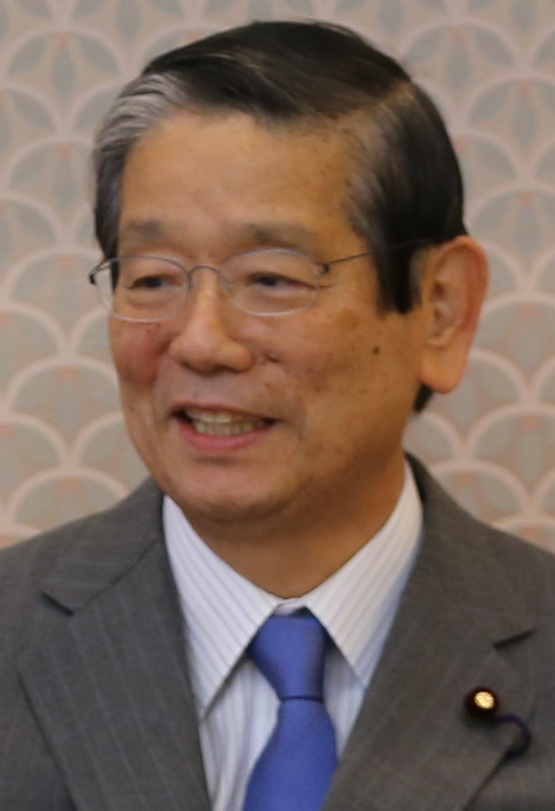


Political career and roles
Machimura's parliamentary career spanned many years and included leadership positions rarely entrusted to backbenchers. He served as Chief Cabinet Secretary in the administration of Prime Minister Yasuo Fukuda from 2007 to 2008, a role that made him the government’s principal spokesperson and coordinator of cabinet policy. He was also appointed Minister for Foreign Affairs on two occasions, serving in cabinets led by Prime Ministers Junichiro Koizumi and Shinzō Abe, where he represented Japan in bilateral and multilateral settings.
Responsibilities and significance
As Chief Cabinet Secretary, Machimura managed crisis communications and helped align ministries on government priorities. As Foreign Minister he was responsible for conducting diplomacy, explaining Japan’s policies abroad, and engaging with regional and global partners. His appointments reflected both party trust and experience in handling delicate political and diplomatic matters.
Later years and illness
In the final years of his life Machimura served as Speaker of the House of Representatives. He resigned from that post on 21 April 2015 after suffering a stroke and other health complications. He subsequently died in Tokyo from a cerebral infarction at the age of 70, an event reported in national media and noted across political circles for its suddenness and the loss of a seasoned parliamentarian (cerebral infarction, Tokyo).
Selected offices
- Member of the House of Representatives (LDP)
- Chief Cabinet Secretary (2007–2008 in Fukuda cabinet)
- Minister for Foreign Affairs (served twice, in Koizumi and Abe cabinets)
- Speaker of the House of Representatives (resigned April 2015)
Machimura's career illustrates the path of a conservative party stalwart who combined parliamentary experience with high-level executive duties. His work as a government spokesperson and as Japan’s top diplomat at various times contributed to policy continuity within the ruling party and to Japan's engagement with international partners during the first decades of the 21st century.
Author
AlegsaOnline.com Nobutaka Machimura: Japanese LDP statesman and former foreign minister Leandro Alegsa
URL: https://en.alegsaonline.com/art/143423