
Nabeul Governorate
Nabeul Governorate in northeastern Tunisia: area 2,788 km², population ~788,000 (2014), capital Nabeul; known for its coastal resorts, agriculture, fishing and pottery traditions.
Overview
Nabeul Governorate is one of Tunisia's twenty-four administrative provinces, located in the far northeast of the country on the Cape Bon peninsula. It covers an area of about 2,788 km² and had a population of 787,920 at the 2014 census. The provincial capital is the city of Nabeul. The governorate plays a prominent role in Tunisia's coastal economy and cultural life and is part of the wider national territory of Tunisia.
Image gallery
1 Image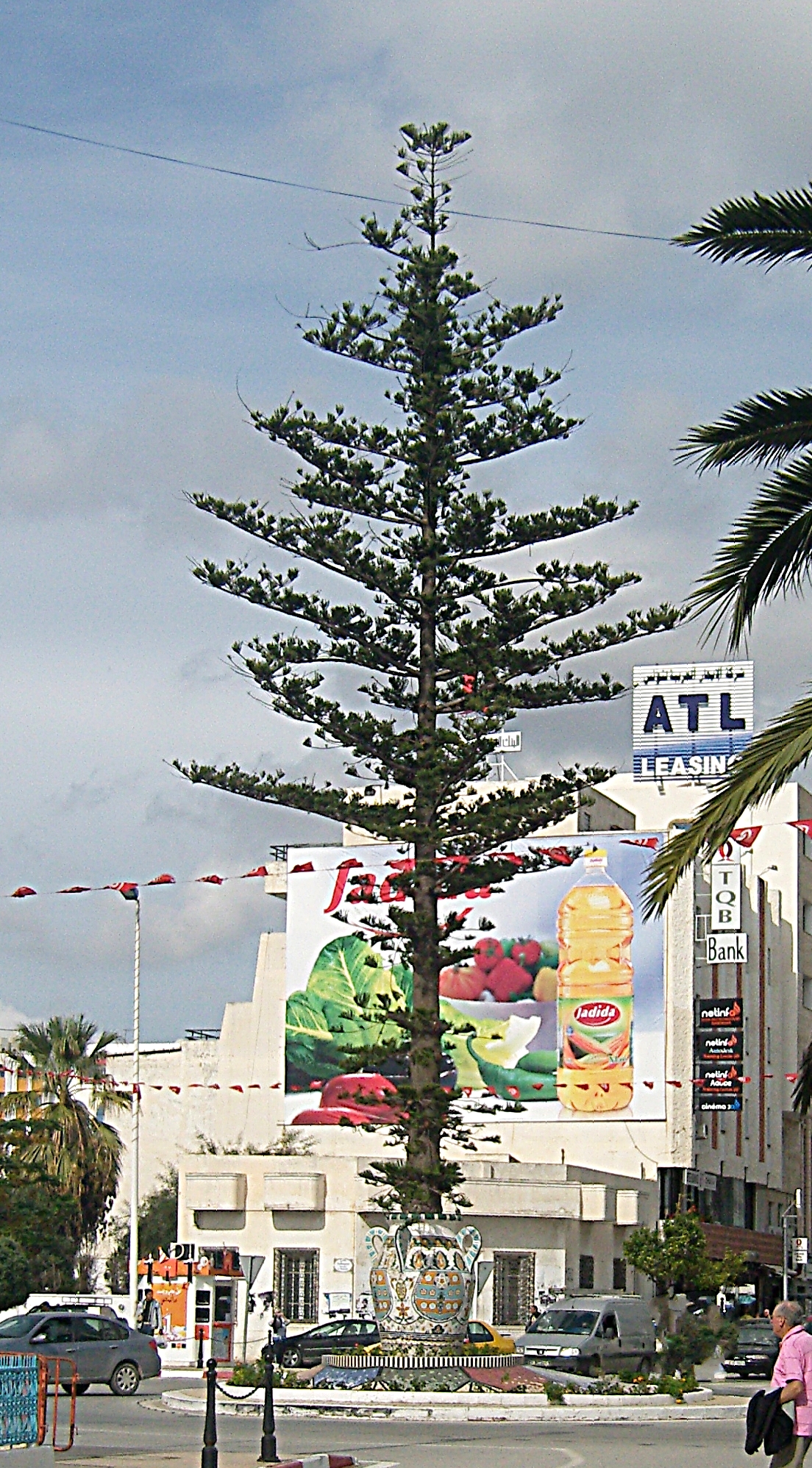
Geography and climate
The governorate occupies a long Mediterranean coastline with sandy beaches, rocky promontories and fertile interior plains. The terrain includes low hills and agricultural land that benefit from a typically Mediterranean climate — hot, dry summers and mild, wetter winters. These conditions favour citrus groves, market gardening and other irrigated crops close to the coast.
History and identity
Human presence in the area dates back to antiquity. The name of the capital, Nabeul, derives from the Greek word "Neapolis," meaning "new city," reflecting ancient Phoenician, Greek and later Roman influences that shaped the region's early urban centres and agricultural systems. Over centuries the area developed a distinct local culture combining Mediterranean traditions and Arab-Andalusian influences.
Economy, crafts and culture
- Agriculture: Citrus fruits, olives, vegetables and cut flowers are important cash crops for export and domestic markets.
- Fishing and maritime activities: Coastal towns support fisheries and small ports that supply local markets.
- Tourism: Beaches, seaside resorts and hotel infrastructure attract domestic and international visitors, especially during summer months.
- Handicrafts: Nabeul and its surroundings are renowned for pottery and ceramics—colourful earthenware sold in local souks and workshops.
Seasonal markets, cultural events and artisan traditions make the governorate a lively destination for visitors interested in food, craft and seaside recreation.
Major towns and administration
Besides the capital Nabeul, notable towns include Hammamet — a well-known resort town — Kelibia with its coastal fortress and fishing harbour, and other urban centres that serve as local commercial and administrative hubs. The governorate is organised into multiple delegations and municipalities that administer services, rural development and tourism across urban and agricultural zones.
Notable facts: The combination of fertile soils, a long coastline and a strong tradition of pottery gives Nabeul Governorate a mixed economy anchored in agriculture, crafts and tourism. Its proximity to the Tunis metropolitan area also influences patterns of commuting, trade and investment.
Author
AlegsaOnline.com Nabeul Governorate Leandro Alegsa
URL: https://en.alegsaonline.com/art/143113