
Michael W. Young: geneticist who uncovered molecular clocks of sleep and wakefulness
Michael W. Young is an American geneticist recognized for discovering genes (timeless, doubletime) that shape circadian rhythms in fruit flies; awarded the 2017 Nobel Prize for this work.
Michael W. Young (born March 28, 1949) is an American geneticist and chronobiologist best known for elucidating genetic and molecular mechanisms that generate daily cycles of behavior and physiology. For more than thirty years he studied timing of sleep and activity in the model organism Drosophila melanogaster, developing key insights into how internal biological clocks are implemented at the molecular level.
Image gallery
3 Images

Major discoveries
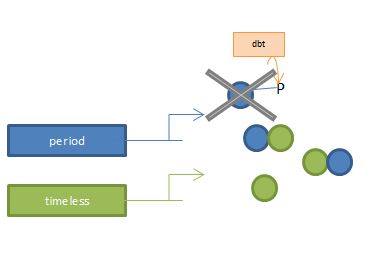
Young identified and characterized several genes that are central to the circadian clock. His lab discovered the timeless gene, which produces the TIM protein that partners with PER protein to form a core element of the fly clock. He also discovered doubletime, a gene encoding a kinase that controls the stability and timing of the PER protein. These findings complemented work by other researchers and helped establish the transcription–translation feedback loop model of circadian rhythms.
How the molecular clock works (summary)
The basic mechanism revealed by Young and colleagues is a self-regulating cycle: clock genes are transcribed and translated into proteins that, after a delay and various chemical modifications, inhibit their own gene expression. Periodic changes in protein stability, localization and interactions produce ~24-hour rhythms. Proteins such as TIM and the product of doubletime are critical for setting the pace by regulating when and how long clock proteins persist.
Career and recognition
Young has been a longtime researcher at Rockefeller University, collaborating and publishing alongside other leaders in the field. In 2017 he shared the Nobel Prize in Physiology or Medicine with Jeffrey C. Hall and Michael Rosbash for discoveries of molecular mechanisms controlling the circadian rhythm.
Importance and applications
- Provided a molecular framework for understanding sleep-wake cycles across animals, including humans.
- Informed research into human sleep disorders, jet lag, shift work health effects and chronotherapy.
- Established genetic and biochemical methods used widely in chronobiology and molecular biology.
Young’s work transformed circadian biology from behavioral observation into a molecular science, revealing how genetic and protein-level processes generate the daily rhythms that organize physiology and behavior.
Author
AlegsaOnline.com Michael W. Young: geneticist who uncovered molecular clocks of sleep and wakefulness Leandro Alegsa
URL: https://en.alegsaonline.com/art/142633