
Mespilus — the medlar genus
Mespilus is a small genus of temperate fruit-bearing trees in the rose family (Rosaceae). It includes the cultivated medlar (Mespilus germanica) and a hybrid taxon, and is known for distinctive pome fruits and historical uses.
Overview — Mespilus is a small genus of deciduous trees and large shrubs in the rose family (Rosaceae). Members are best known for the medlar, a traditional fruit tree cultivated in parts of Europe and western Asia. Plants in this genus produce pome fruits with a distinctive appearance and ripening behavior that have made them notable in horticulture and historical cuisine.
Image gallery
5 Images


Characteristics
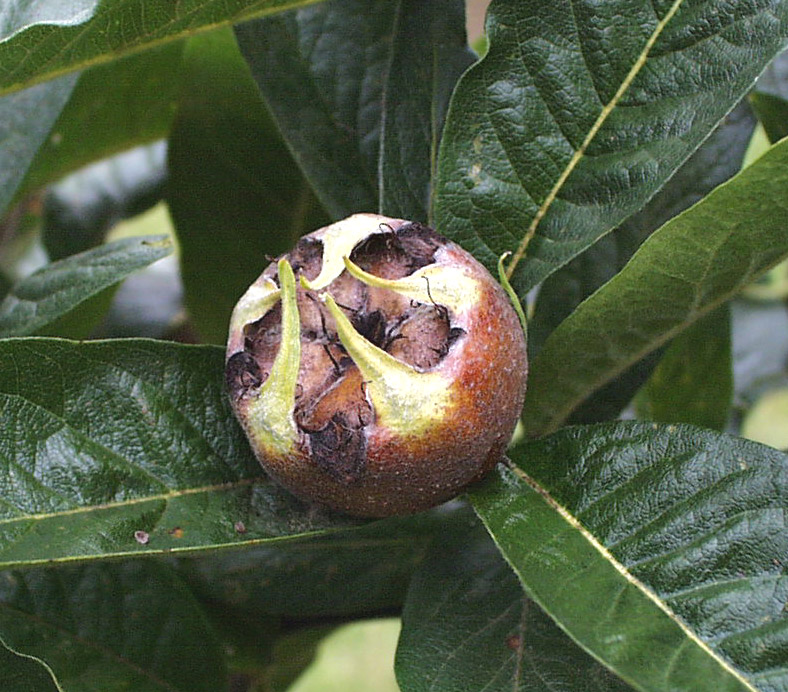
Mespilus species are typically small, often single-stemmed trees reaching moderate height. Leaves are simple and alternate; flowers are white or pale and borne singly or in small clusters in spring. The fruit is a pome: round to urn-shaped, with an open calyx at the tip and a texture that becomes edible only after softening.
Species and taxonomy
Classically the genus has included the cultivated medlar, Mespilus germanica. A second named taxon, Mespilus canescens, has been shown to be of hybrid origin between M. germanica and a hawthorn (Crataegus) species and is more properly treated as × Crataemespilus canescens. The precise limits of Mespilus have been discussed by botanists, and its relationships to other genera in the tribe are subject to taxonomic study.
History and cultural importance
Medlars have a long history of human use: they were cultivated in classical antiquity and became common in medieval European gardens. The fruits appear in literature and emblematic art, often associated with maturity and patience because they require a post-harvest softening process to become palatable.
Uses and cultivation
- Culinary: fruits are usually eaten after "bletting," a controlled softening that converts starches to sugars; they are used fresh when softened, or processed into jams, jellies and desserts.
- Horticulture: grown as ornamental or heritage fruit trees, valued for spring flowers and autumn fruit.
- Management: tolerant of a range of soils and temperate climates; pruning, pest control and protection from late frosts improve yields. Like many Rosaceae, they can be susceptible to common pests and bacterial diseases.
Notable facts: The medlar’s unusual requirement for bletting and its distinctive open-calyx fruit make it easy to recognize. Modern interest in Mespilus is often botanical or culinary, focused on preserving traditional varieties and garden use rather than large-scale commercial production.
Author
AlegsaOnline.com Mespilus — the medlar genus Leandro Alegsa
URL: https://en.alegsaonline.com/art/142589