
Margravine Johanna of Baden-Baden (Auguste Marie Johanna, 1704–1726)
Auguste Marie Johanna, a Margravine of Baden-Baden who became Duchess of Orléans by marriage, died in childbirth in 1726 and left descendants in several modern European royal houses.
Auguste Marie Johanna (10 November 1704 – 8 August 1726), often referred to in French sources as Jeanne or Auguste de Bade, was born a Margravine of Baden-Baden and became Duchess of Orléans through marriage. Her short life exemplifies the dynastic marriages of early 18th-century Europe that linked German princely houses with the French royal family and shaped later lines of succession across the continent.
Image gallery
5 Images


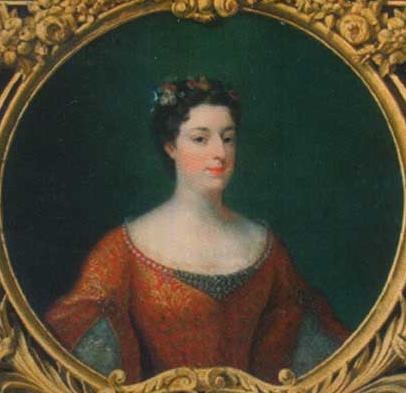
Family background and title
The title "Margravine" denotes the daughter or wife of a margrave, a border prince in the Holy Roman Empire. Johanna belonged to the ruling family of Baden-Baden, a small but strategically positioned territory in southwestern Germany. Families such as hers played diplomatic and military roles within imperial politics and frequently formed marriage alliances with foreign courts to secure influence and peace.
Marriage into the House of Orléans
Johanna was married into the House of Orléans, a principal cadet branch of the French Bourbon dynasty. Her husband was a leading member of the Orléans family, which maintained close ties to the kings of France. This union reinforced cross-border alliances: a woman from a German margraviate became part of the French court and helped transmit German bloodlines into Western European dynasties.
Her marriage also had symbolic resonance. Members of the Baden-Baden family had previously opposed French ambitions in the region, so the alliance demonstrated how marriage could reconcile former enmities and refocus relations toward dynastic continuity rather than armed conflict.
Death and immediate consequences
Johanna died in childbirth on 8 August 1726, at the age of 21. Maternal mortality remained a grave risk for women of all ranks during this era; her death underscores the personal cost of dynastic expectations. The child born in the birth that took her life continued the Orléans line, and through subsequent generations her bloodline was integrated into several royal houses.
Legacy and descendants
Although Johanna's own life was brief, her marriage had lasting genealogical impact. Descendants of the Orléans line to which she contributed include monarchs and consorts across Europe. Notable later figures in that network include Louis Philippe I, who became King of the French in the 19th century, and members of other royal families through intermarriage. Her lineage is part of the complex web that links many modern European dynasties.
- Representative significance: an example of German–French dynastic marriage.
- Historical note: her death illustrates the hazards of childbirth in the premodern period.
- Genealogical impact: ancestor to later European ruling families and noble houses.
As a historical figure, Johanna is often remembered less for political actions than for the role her marriage and descendants played in shaping the succession and alliances of European royalty. Her story is typical of many princely women of the era whose private lives had public and dynastic consequences.
Questions and answers
Q: Who was Margravine Johanna of Baden-Baden?
A: Margravine Johanna of Baden-Baden was also known as Auguste of Baden-Baden. She was born on November 10, 1704, and was the daughter of a Margrave of Baden-Baden.
Q: Who was Auguste of Baden-Baden married to?
A: Auguste of Baden-Baden was married to Louis d'Orléans, Duke of Orléans, who was the grandson of her father's former enemy, Louis XIV of France.
Q: What was Auguste of Baden-Baden's title after she got married?
A: After she got married, Auguste of Baden-Baden became the Duchess of Orléans.
Q: What is the cause of Auguste of Baden-Baden's death?
A: Auguste of Baden-Baden died in childbirth.
Q: Is Auguste of Baden-Baden related to any royals from European countries?
A: Yes, Auguste of Baden-Baden is an ancestor of Louis Philippe I and several members of royal families of Europe such as the Spanish and Italian as well as the present Grand Duke of Luxembourg.
Q: What was Auguste of Baden-Baden's name in France?
A: In France, Auguste of Baden-Baden was known as Jeanne or Auguste de Bade.
Q: Who was Auguste of Baden-Baden's father?
A: Auguste of Baden-Baden's father was a Margrave of Baden-Baden.
Author
AlegsaOnline.com Margravine Johanna of Baden-Baden (Auguste Marie Johanna, 1704–1726) Leandro Alegsa
URL: https://en.alegsaonline.com/art/142187