
List of rulers of Lithuania
Survey of political leaders who have governed Lithuanian lands from early medieval dukes and Grand Dukes through the Polish–Lithuanian period, imperial rule, interwar presidents, Soviet era authorities and modern heads of state.
The territory of modern Lithuania has been governed by a succession of different kinds of rulers: tribal chiefs and dukes in the early medieval period, the Grand Dukes of the Grand Duchy of Lithuania, monarchs in personal union with Poland, imperial governors during partition and occupation, and republican heads of state in the 20th and 21st centuries. Institutional titles and powers shifted with changing constitutional arrangements, dynastic unions and foreign domination.
Image gallery
10 Images
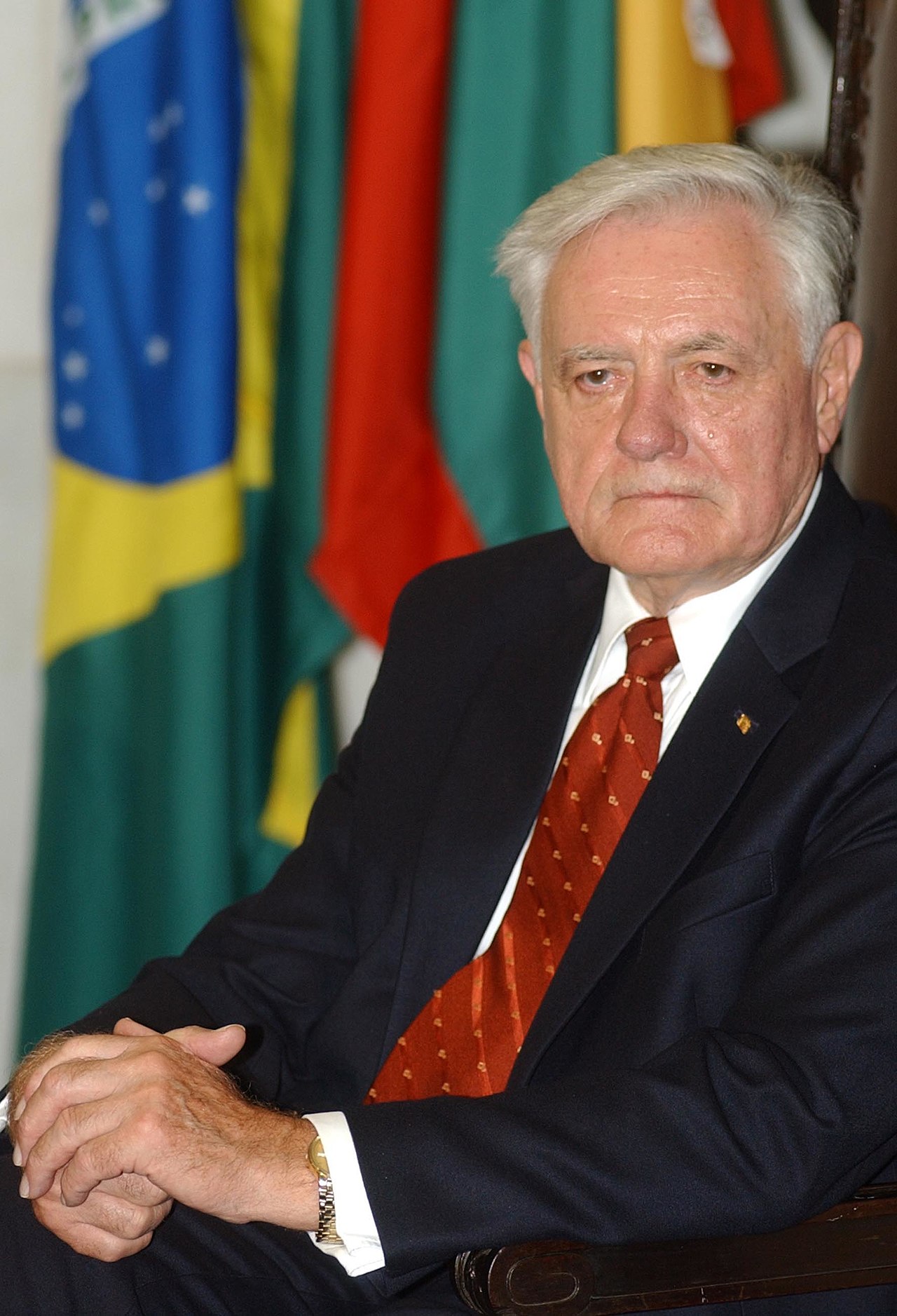


Early rulers and the Grand Duchy
In the 13th century the Lithuanian lands were consolidated under local dukes who emerged as Grand Dukes. The best known early ruler is Mindaugas, who is traditionally regarded as the first monarch to be crowned king of Lithuania. Later prominent dynasts from the Gediminid and later families expanded the state: among them are Gediminas, Algirdas and Vytautas, often remembered for territorial expansion and state-building.
Union with Poland and the Commonwealth
From the late 14th century a dynastic and political union tied Lithuania closely to the Kingdom of Poland. Rulers such as Jogaila (Władysław II Jagiełło) became kings of Poland while continuing as Grand Dukes of Lithuania, a pattern that endured through the Jagiellon dynasty. The Union of Lublin (1569) created the Polish–Lithuanian Commonwealth, where the monarch was the common head but Lithuanian institutions retained certain autonomy.
Partitions, imperial rule and 19th century
The partitions of the late 18th century dissolved the Commonwealth and placed Lithuanian lands primarily within the Russian Empire. From that time the tsars of Russia were the de facto sovereigns over those territories, administered by imperial governors. National revival movements of the 19th century prepared the ground for 20th-century independence efforts.
20th century to present: independence, occupation and republic
Following World War I Lithuania declared independence and established republican institutions; several presidents served during the interwar republic. Soviet and German occupations during World War II interrupted independence; after 1944 Lithuania became a Soviet Socialist Republic governed by Communist Party structures. Restoration of independence in 1990 re-established a democratic republic with an elected president as head of state. Modern notable officeholders include interwar presidents such as Antanas Smetona and later post‑Soviet figures like Algirdas Brazauskas, Valdas Adamkus, Dalia Grybauskaitė and Gitanas Nausėda.
Representative list and further reading
- Early medieval rulers and the first crowned king: Mindaugas.
- Grand Dukes who shaped the state: Gediminas, Algirdas, Kęstutis, Vytautas the Great.
- Union-era rulers who were also kings of Poland: Jogaila (Władysław II Jagiełło) and other Jagiellons.
- Imperial rulers during partition: Russian emperors as sovereigns over Lithuanian provinces.
- 20th–21st century heads of state: interwar presidents, Soviet-era leaders, and modern elected presidents.
For an authoritative list of contemporary Lithuanian heads of state and constitutional roles, see the official presidential resources: President of Lithuania. The historical sequence of rulers reflects shifts in state form, foreign influence, and national revival that together shaped the modern Lithuanian state.
Author
AlegsaOnline.com List of rulers of Lithuania Leandro Alegsa
URL: https://en.alegsaonline.com/art/141677