
List of Presidents of the Marshall Islands
Chronological list and overview of the office of the President of the Republic of the Marshall Islands, including how the office is filled, key developments since 1979, and notable officeholders.
This article provides a concise list of individuals who have served as President of the Republic of the Marshall Islands since the office was established in 1979, together with context on the role and its development. The presidency combines functions of head of state and head of government in the country's parliamentary system. For official reference and further resources see related materials.
Image gallery
10 Images

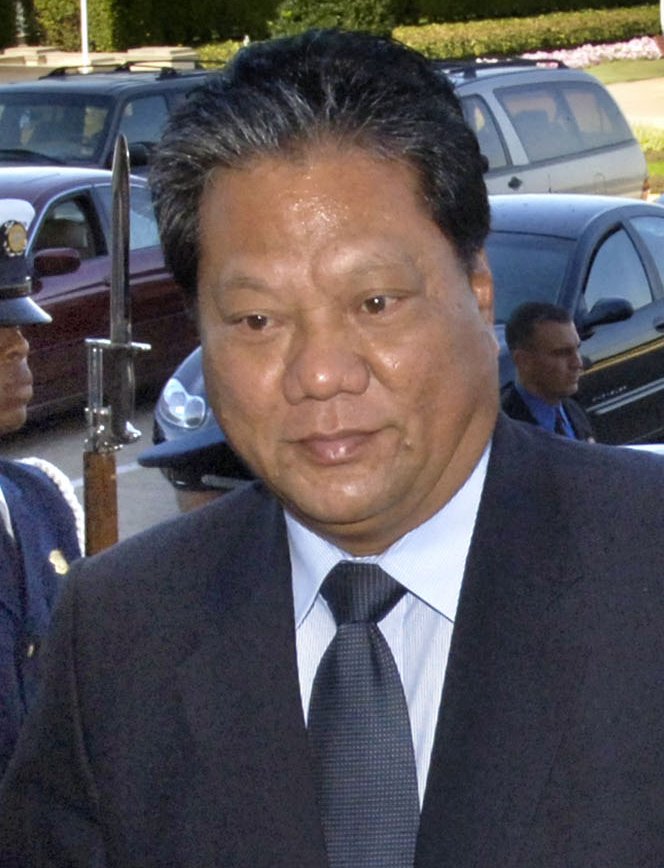


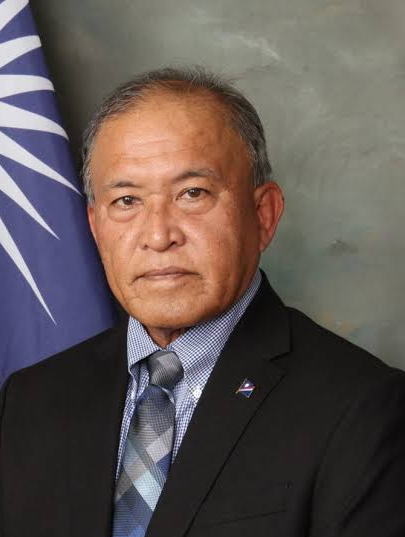
Role and selection
The President is chosen by the Nitijela (the national legislature) from among its members and normally serves for the legislature's term. The officeholder leads the executive branch, appoints cabinet ministers, and represents the country in foreign affairs. Because the president is dependent on parliamentary support, removal by vote of no confidence is a feature of the system and has affected several administrations.
History and development
The office was created while the Marshall Islands moved from Trust Territory administration toward greater self-government in 1979 and later full sovereign status under the Compact of Free Association with the United States in 1986. Over time presidents have navigated issues of local governance, nuclear legacy and environmental concerns, as well as external relations and development assistance.
List of presidents
- Amata Kabua (1979–1996)
- Kunio Lemari (Acting, 1996)
- Imata Kabua (1997–2000)
- Kessai Note (2000–2008)
- Litokwa Tomeing (2008–2009)
- Jurelang Zedkaia (2009–2012)
- Christopher Loeak (2012–2016)
- Hilda Heine (2016–2020)
- David Kabua (2020–present)
The list above shows the primary officeholders and a short acting period. Some transitions followed regular legislative selection; others resulted from parliamentary motions or special circumstances. Readers seeking official biographies or contemporary updates can consult primary country sources and legislative records at official references.
Notable facts: The first president, Amata Kabua, served a long initial period during formative years of the republic. Hilda Heine was the first woman to hold the office. Because presidents are chosen from lawmakers, many have prior legislative experience and the national politics tend to emphasize consensus and local leadership as much as formal party structures.
Author
AlegsaOnline.com List of Presidents of the Marshall Islands Leandro Alegsa
URL: https://en.alegsaonline.com/art/141663