
Presidents of FIFA: office holders, roles, and notable occupants
An overview of the office of FIFA president, its role and selection, notable holders including Gianni Infantino and Sepp Blatter, and major historical developments and controversies.
Overview
The president of the Fédération Internationale de Football Association (FIFA) is the highest official in the global governing body for association football, commonly called association football. The office represents FIFA externally, chairs its main meetings, and provides strategic leadership for world football. The presidency carries both symbolic weight and practical authority within the organisation's executive structures.
Image gallery
10 Images



Role and selection
FIFA's president is chosen by vote of the FIFA Congress, a body composed of representatives from member associations. The president sets agendas, appoints senior officials within limits established by statutes, and influences policy areas such as competitions, development programs, and governance reforms. Tenure and eligibility are defined by FIFA's statutes, which have been amended several times in response to governance concerns.
Notable presidents
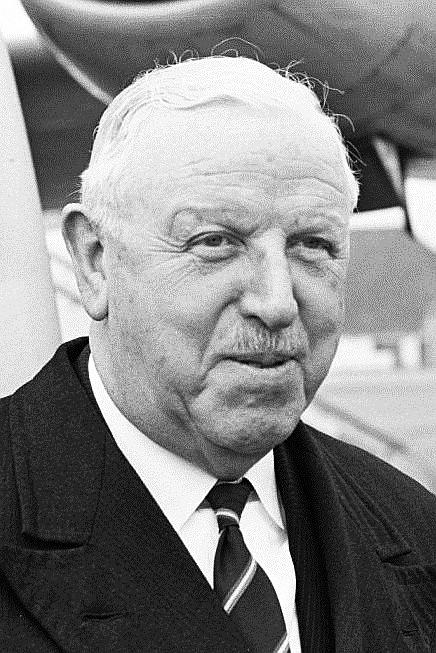
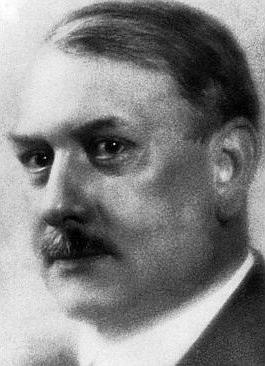
- Robert Guérin — often cited as the organisation's first president at FIFA's founding in 1904; his role established early administrative structures.
- Jules Rimet — long-serving early leader credited with founding the international tournament that became the FIFA World Cup and expanding FIFA's reach in the first half of the 20th century.
- João Havelange — under whose leadership FIFA grew commercially and geographically, increasing competition size and global profile.
- Sepp Blatter — a dominant figure in late 20th and early 21st century FIFA; his tenure ended amid a major corruption scandal and suspension (Sepp Blatter).
- Issa Hayatou — served as acting president following Blatter's suspension and guided day-to-day continuity during a period of investigation and reform.
- Gianni Infantino — elected president after the governance crisis and subsequent reforms; he is the incumbent and has overseen changes to competition formats and organizational procedures (Gianni Infantino).
History and development
Since its foundation in 1904, FIFA's presidency has reflected the shifting geography and commercialisation of football. Early presidents focused on codifying competition between national associations and organising the inaugural World Cups. From the mid-20th century onward, presidents faced the twin tasks of managing football's rapid global growth and engaging with broadcasters, sponsors, and continental confederations. Periodic reforms have altered the balance of power between the Congress, the council, and the presidency itself.
Controversies, reforms and significance
The office has been at the centre of governance debates. High-profile investigations into corruption prompted changes to electoral rules, term limits, and internal oversight mechanisms. For example, the suspension of a sitting president in October 2015 and a subsequent ban in December 2015 highlighted weaknesses that later reform packages sought to address. The presidency remains pivotal: its holder can influence the calendar of competitions, development funding, and FIFA's public image, making it one of the most consequential roles in international sport.
For a comprehensive roster of every incumbent and interim holder, consult official lists maintained by the organisation and archival sources, which provide names, periods of service, and contextual notes about each presidency.
Author
AlegsaOnline.com Presidents of FIFA: office holders, roles, and notable occupants Leandro Alegsa
URL: https://en.alegsaonline.com/art/141661