
Presidents of Cuba: office holders and historical overview
Chronological overview of Cuba's heads of state since 1902, explaining changes in titles, notable office-holders, and the constitutional and political shifts that reshaped the presidency.
This article surveys individuals who have served as Cuba's head of state beginning with the establishment of the republic in 1902. Over more than a century the name, powers and institutional form of the head of state changed repeatedly: from a presidential republic in the early twentieth century to periods of military and authoritarian rule, to revolutionary and socialist arrangements that emphasized collective leadership. Understanding these changes is essential to interpreting any chronological list of Cuban presidents.
Image gallery
10 Images
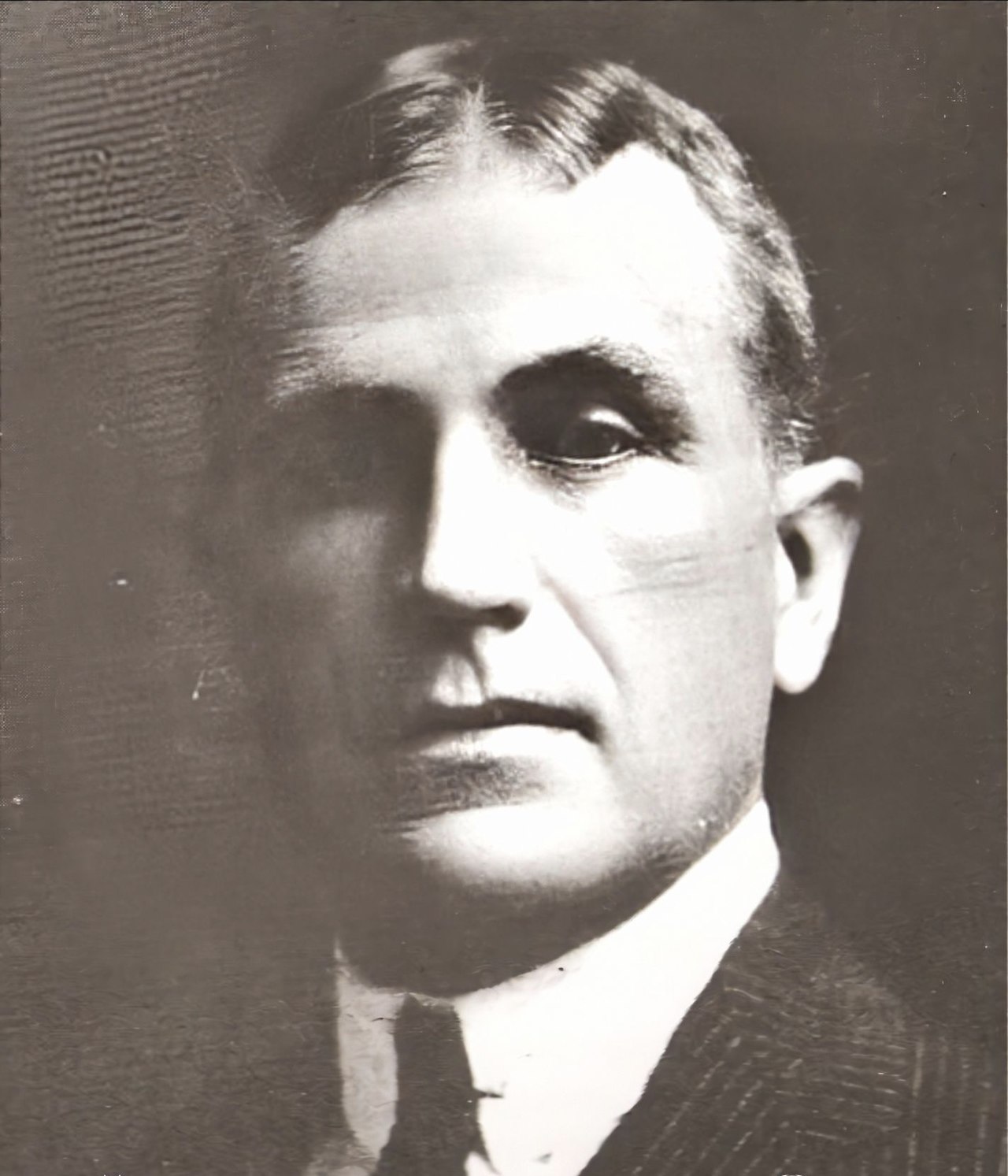


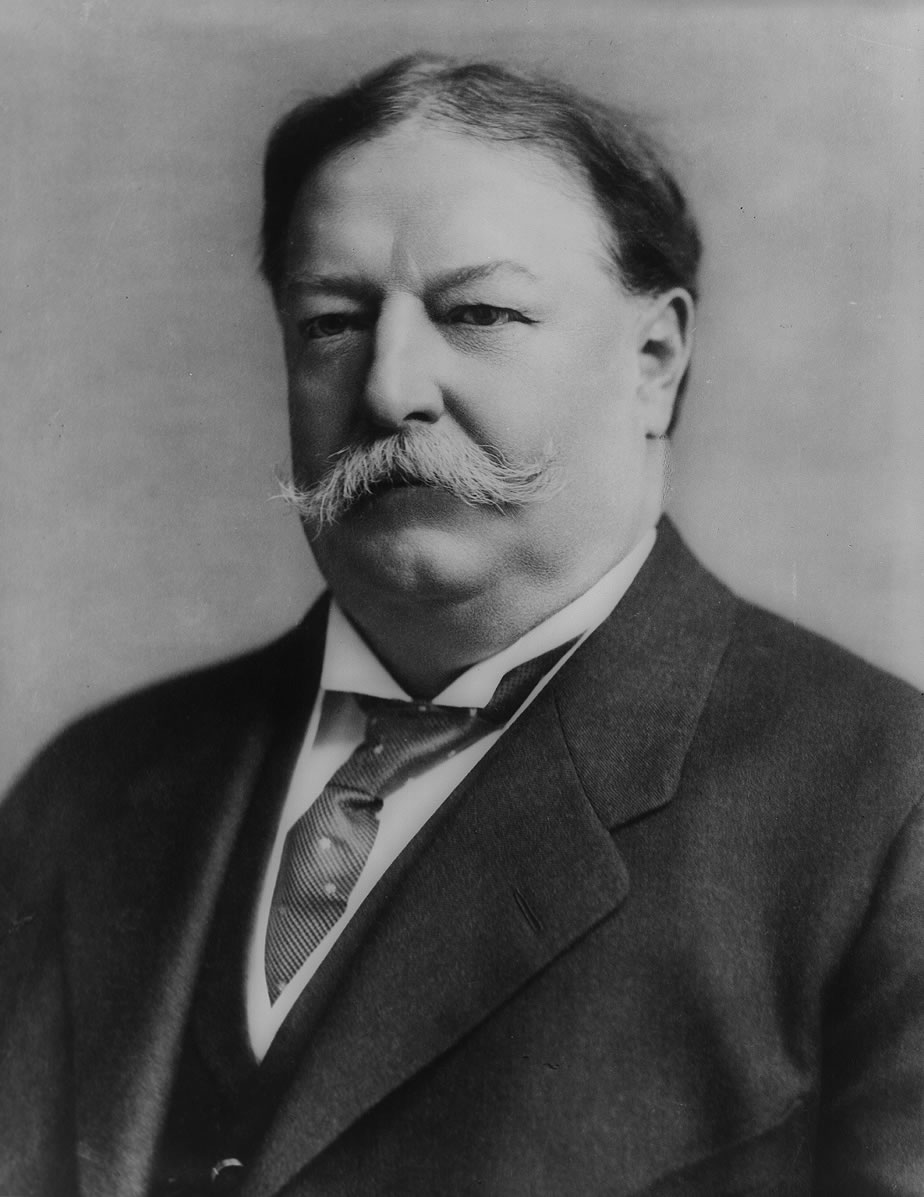


Role and changes in title
The title "President of the Republic" described the chief executive in the early republican constitutions. Political turmoil, coups and revolutions altered that arrangement several times. After the 1959 revolution, executive authority was often exercised by revolutionary councils, the office of prime minister, or by the Central Committee of the ruling party. A later constitution created collective state bodies such as a Council of State and a Council of Ministers that performed head-of-state functions. A constitutional revision in the late 2010s restored a distinct office titled President of the Republic while maintaining the dominant political role of the Communist Party.
Chronological eras
- Early republic (from 1902) — Parliamentary and presidential institutions established; frequent political instability and external influence.
- Interwar to mid-century — Periods of electoral politics punctuated by authoritarian governments and military interventions.
- Revolutionary transition (1959–1970s) — Revolutionary leadership reorganized state institutions and shifted power toward collective revolutionary bodies.
- Socialist constitutional period — Council-based institutions and party leadership defined the head-of-state functions for decades.
- Recent reforms — Constitutional updates re-established a formal presidential office while preserving party primacy.
Notable office holders
- Tomás Estrada Palma — Recognized as the first president after the republic's foundation.
- Gerardo Machado — Elected leader whose authoritarian measures provoked significant opposition.
- Fulgencio Batista — Military figure who was both elected and later took power by force, central to mid-century politics.
- Manuel Urrutia and Osvaldo Dorticós — Transitional figures in the immediate revolutionary period.
- Fidel Castro — Revolutionary leader who served as prime minister and later as head of state, shaping decades of policy.
- Raúl Castro and Miguel Díaz-Canel — Successive leaders representing institutional continuity and generational change.
Counting office-holders and sources
Different lists of Cuban presidents may vary depending on whether provisional, acting or very short-lived heads of state, military juntas, or collective councils are included. Some scholars and compilers count only those who held the constitutional title of president, while others include de facto rulers and interim regimes. Readers and researchers should check the criteria used by a particular list and take account of the constitutional framework in force at each historical moment.
For a complete chronological table, modern reference works and scholarly overviews arrange office-holders by era, indicate provisional and acting incumbents, and provide contextual notes about constitutional changes, coups and revolutions that produced breaks in institutional continuity.
Author
AlegsaOnline.com Presidents of Cuba: office holders and historical overview Leandro Alegsa
URL: https://en.alegsaonline.com/art/141659